Try GOLD - Free
Stuck In Place
The Atlantic
|March 2025
Why Americans stopped moving houses-and why that's a very big problem
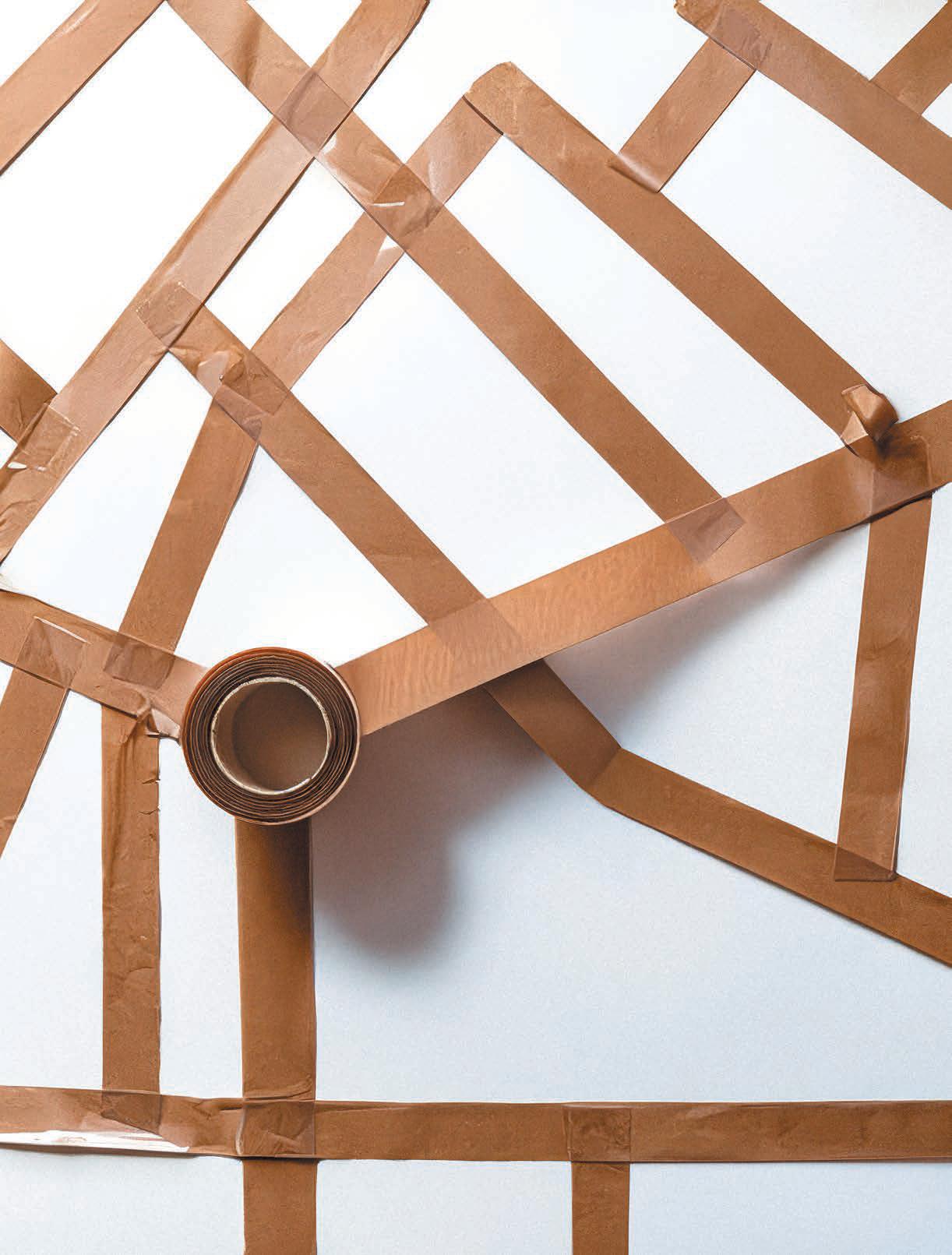
The idea that people should be able to choose their own communities instead of being stuck where they are born―is a distinctly American innovation. It is the foundation for the country's prosperity and democracy, and it just may be America's most profound contribution to the world.
No society has ever been as mobile as the United States once was. No society has even come close. In the 19th century, the heyday of American mobility, roughly a third of all Americans changed addresses each year. European visitors were astonished, and more than slightly appalled. The American "is devoured with a passion for locomotion," the French writer Michel Chevalier observed in 1835; "he cannot stay in one place." Americans moved far more often, over longer distances, and to greater advantage than did people in the lands from which they had come. They understood this as the key to their national character, the thing that made their country distinctive. "We are a migratory people and we flourish best when we make an occasional change of base," one 19th-century newspaper explained. "We have cut loose from the old styles of human vegetation, the former method, of sticking like an oyster to one spot through numberless succeeding generations," wrote another.
As the 19th century turned into the 20th, as two world wars passed, as the Baby Boom began, Americans kept on moving. And as Americans moved around, they moved up. They broke away from stultifying social hierarchies, depleted farmland, declining towns, dead-end jobs. If the first move didn't work out, they could always see a more promising destination beckoning them onward.

This story is from the March 2025 edition of The Atlantic.
Subscribe to Magzter GOLD to access thousands of curated premium stories, and 10,000+ magazines and newspapers.
Already a subscriber? Sign In
MORE STORIES FROM The Atlantic

The Atlantic
STRUCK
What getting hit by lightning does to the body and mind

15 mins
April 2026

The Atlantic
LEAVING THE UNITED STATES BEHIND
The Cruz family spent years building a life in New York. Then the risks of staying became too great.
16 mins
April 2026

The Atlantic
MY SELF-DRIVING CAR CRASH
The Tesla was driving perfectly—until it wasn't.
8 mins
April 2026

The Atlantic
The Last Days of Franco
Montserrat Roig's classic novel captures Barcelona on the cusp of unimaginable change.
7 mins
April 2026

The Atlantic
INSATIABLE
Indoor rain, windows to nowhere, and reanimated nuclear reactors- how the race to power AI is remaking the physical world
16 mins
April 2026

The Atlantic
THE WOMEN OF AVENGER FIELD
THEY BRAVELY SERVED AS PILOTS IN WORLD WAR II. THEN AMERICA FORGOT THEM.
15 mins
April 2026

The Atlantic
The Unbearable Lightness of Signalgate
Nearly a year after a national-security scandal erupted on my iPhone, no one in the Trump administration has faced serious consequences.
14 mins
April 2026

The Atlantic
Robyn Is Still Dancing On Her Own
The queen of poptimism takes up motherhood and midlife desire.
5 mins
April 2026
The Atlantic
The College-Educated Working Class
Can a generation of graduates frustrated by their economic prospects change American labor politics?
13 mins
April 2026

The Atlantic
THAT 1930s FEELING
How dark fringes reached the center of the Republican Party
10 mins
April 2026
Listen
Translate
Change font size