Try GOLD - Free
Flower power
BBC History UK
|June 2025
Few 17th-century women could travel the world. But the world could visit them in their gardens. Susannah Lyon-Whaley reveals how exotic plants – from Chinese rhubarb to South American passionfruit – opened new horizons in fashion, food and science
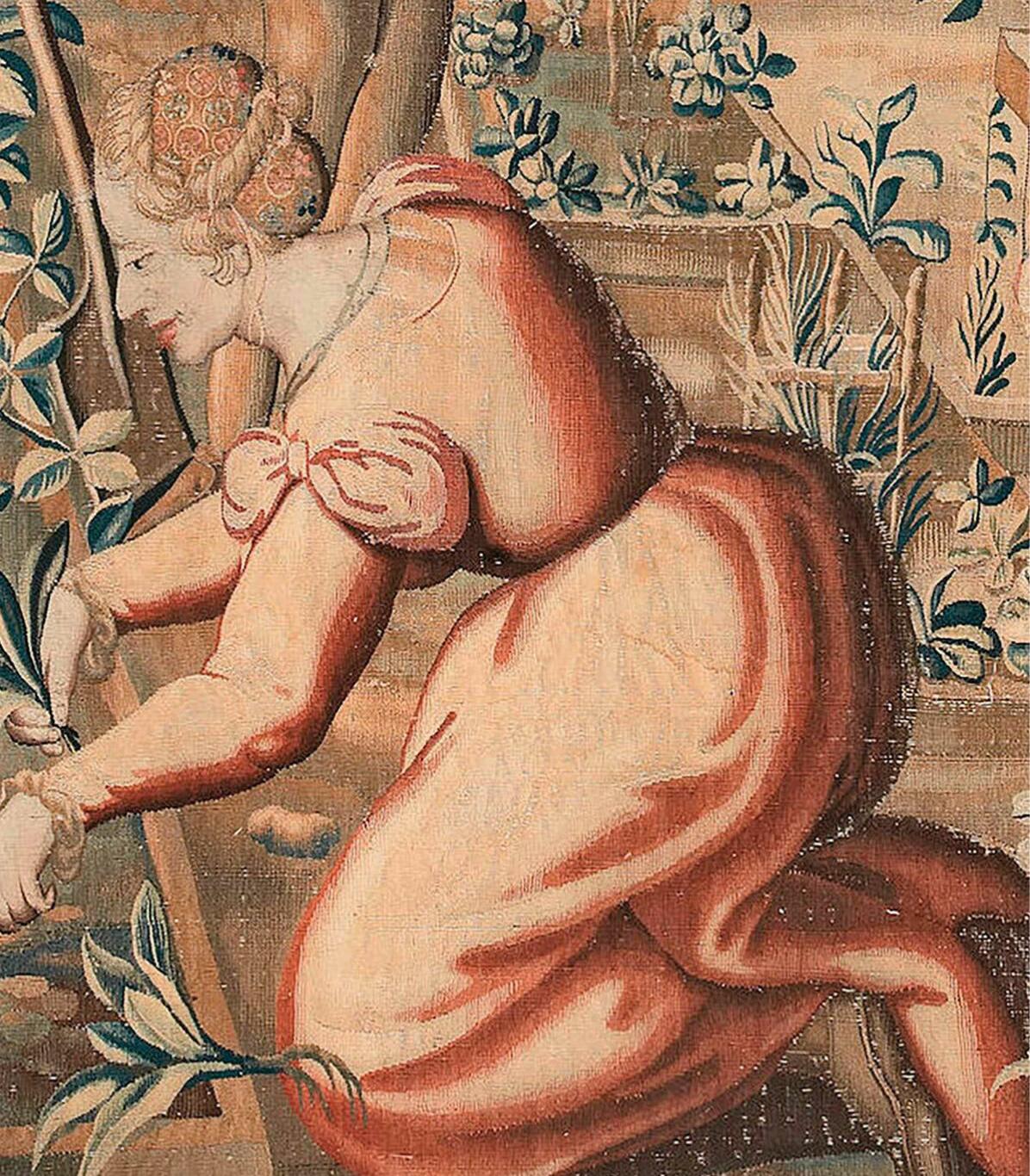
Anna Buckett had never seen a pineapple. Undeterred, on 12 July 1656, she took the bold move of stitching one. While the fine stitches on her sampler show dexterity, the result is more artistic than realistic. The red pineapple looks a little like a monstrous jelly with beetle legs. Amid Anna’s stitched pinks, pansies and honeysuckles, the pineapple - a native of countries like Brazil and Suriname that would not grow successfully in English gardens until the 1700s - was out of place.
She had never seen a pineapple, but Anna may have seen pictures. The first printed depiction of a pineapple in Europe was in black and white in Gonzalo de Oviedo’s Historia General de las Indias (1535). Another herbal text (1641) claimed that the fruit tasted “as if wine, rosewater and sugar were mixed together”.
Anna may have been the Anne Buckett baptised in May 1643 in Middlesex, or the Ann Becket baptised in December 1644 in Surrey, though neither is certain. Like other daughters of merchants or gentlemen learning the gentler arts, she stitched both gardens she saw and those she imagined. Needlework creations of the time swarmed with peacocks, parrots, lions, leopards and sunflowers from foreign lands.
In the 17th century, voyages to new colonies in North America, the Caribbean, Africa and India turned plants like tobacco and sugarcane into profits. They also sent waves of plants rippling back across the sea. For women at home, gardens made the wider world a material reality.
Dainties for a queen
In 1629, John Parkinson, royal herbalist to Charles I, dedicated his new book of flowers,

This story is from the June 2025 edition of BBC History UK.
Subscribe to Magzter GOLD to access thousands of curated premium stories, and 10,000+ magazines and newspapers.
Already a subscriber? Sign In
MORE STORIES FROM BBC History UK
History Extra
A treaty transformed North American history
California became American territory just days after gold had been discovered in the Sierra Nevada foothills – and Mexico lost out

3 mins
April 2026
History Extra
England's mistress
Nell Gwyn became famous for her love affair with Charles II, and for her love of drinking, gambling and carousing. Yet, writes Sophie Shorland, this upwardly mobile celebrity was also a canny political operator who wielded substantial power in court
10 mins
April 2026

History Extra
Across history, intellectual life repeatedly becomes suspect when societies fracture
A mistrust of ‘experts’ and ‘intellectuals’ has recently crystallised into US government interventions targeting academic institutions. EMILY KNOX and JOAN SCOTT share their thoughts with Danny Bird about the troubling history of anti-intellectualism
9 mins
April 2026
History Extra
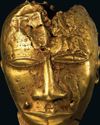
BLOOD AND PLUNDER
It's a tale of slavery, racism and naked imperial power. Barnaby Phillips traces the fate of the exquisite golden treasures looted by British forces from the kingdom of Asante 150 years ago
10 mins
April 2026
History Extra
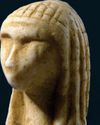
THE FACE FIXATION
From a Stone Age Venus and an Egyptian death mask to an unflinchingly challenging 21st-century sculpture, Fay Bound-Alberti introduces seven depictions of the face that track humanity's ever-evolving relationship with creativity, hierarchy and self-image
9 mins
April 2026
History Extra
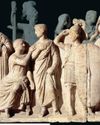
ROME'S PEOPLE POWER
From Romulus's open-city policy to Claudius's reforms, citizenship was used by Rome as both a reward and a weapon. And, as Shushma Malik explains, it enabled the burgeoning empire to build power and define identity
10 mins
April 2026
History Extra
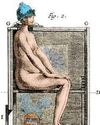
Sex in the city
A study of the understanding and treatment of sexually transmitted disease fascinates
2 mins
April 2026
History Extra
How medieval mothers took back control
In the Middle Ages, the bearing and raising of children defined women's lives. But as Elinor Cleghorn explains, there were women who had other ideas and boldly challenged attitudes towards motherhood
10 mins
April 2026
History Extra
Ancient Egyptian omelette
ELEANOR BARNETT whips up an eggah - a tasty dish that continues to be enjoyed in Egypt to this day
2 mins
April 2026
History Extra
Seventy years ago, Nikita Khrushchev stood before a packed hall in central Moscow and delivered a four-hour denunciation of Josef Stalin, one that exposed mass terror and attempted to reclaim the legacy of Leninism. So what drove this extraordinarily radical move? And did the Soviet people buy Khrushchev's message?
When I was an undergraduate, a perennial exam question was ‘Did Stalin betray the revolution?’.
11 mins
April 2026
Listen
Translate
Change font size