
Gå ubegrenset med Magzter GOLD
Få ubegrenset tilgang til over 9000 magasiner, aviser og premiumhistorier for bare
Prøve GULL - Gratis
Flower power
BBC History UK
|June 2025
Few 17th-century women could travel the world. But the world could visit them in their gardens. Susannah Lyon-Whaley reveals how exotic plants – from Chinese rhubarb to South American passionfruit – opened new horizons in fashion, food and science
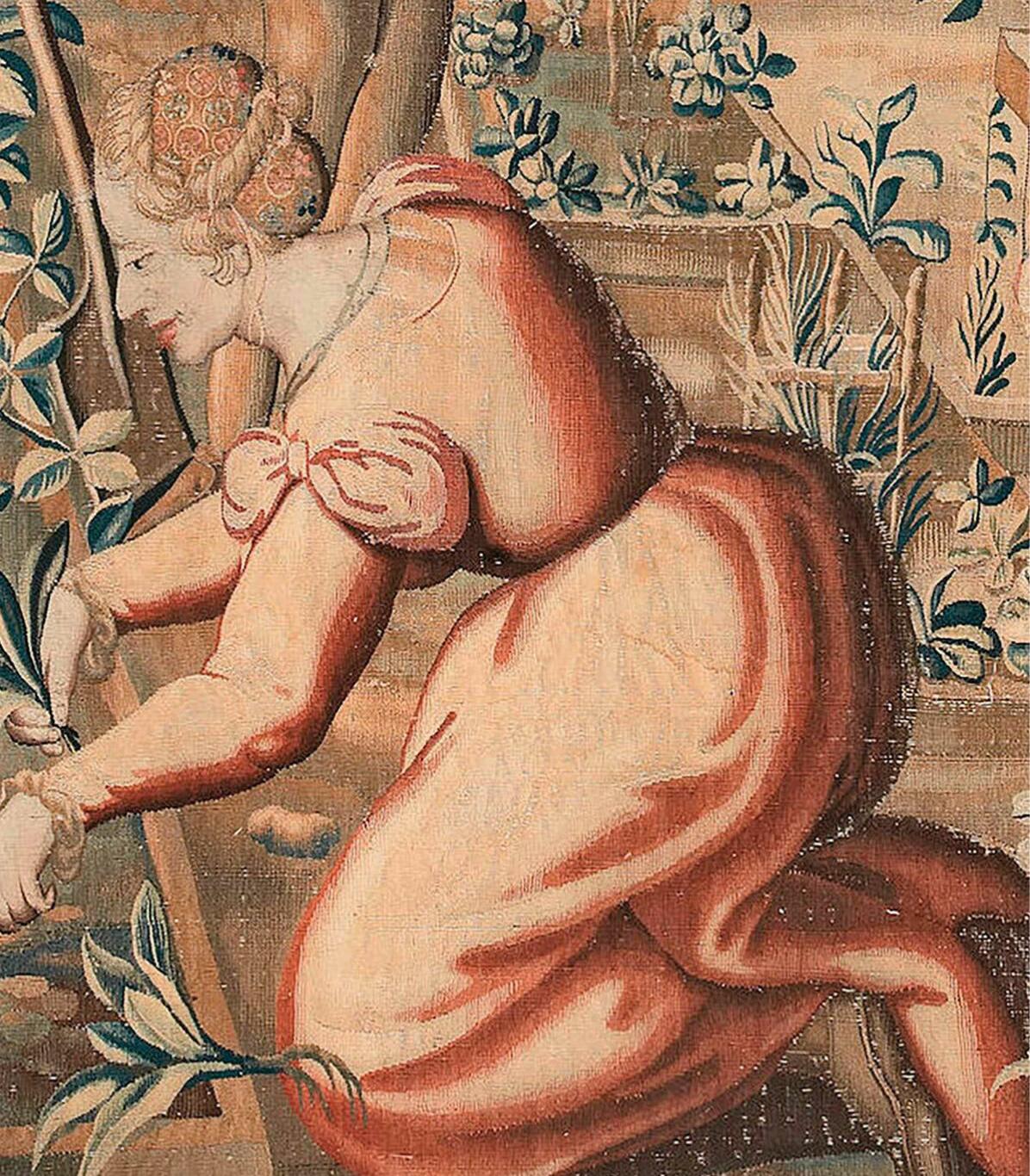
Anna Buckett had never seen a pineapple. Undeterred, on 12 July 1656, she took the bold move of stitching one. While the fine stitches on her sampler show dexterity, the result is more artistic than realistic. The red pineapple looks a little like a monstrous jelly with beetle legs. Amid Anna’s stitched pinks, pansies and honeysuckles, the pineapple - a native of countries like Brazil and Suriname that would not grow successfully in English gardens until the 1700s - was out of place.
She had never seen a pineapple, but Anna may have seen pictures. The first printed depiction of a pineapple in Europe was in black and white in Gonzalo de Oviedo’s Historia General de las Indias (1535). Another herbal text (1641) claimed that the fruit tasted “as if wine, rosewater and sugar were mixed together”.
Anna may have been the Anne Buckett baptised in May 1643 in Middlesex, or the Ann Becket baptised in December 1644 in Surrey, though neither is certain. Like other daughters of merchants or gentlemen learning the gentler arts, she stitched both gardens she saw and those she imagined. Needlework creations of the time swarmed with peacocks, parrots, lions, leopards and sunflowers from foreign lands.
In the 17th century, voyages to new colonies in North America, the Caribbean, Africa and India turned plants like tobacco and sugarcane into profits. They also sent waves of plants rippling back across the sea. For women at home, gardens made the wider world a material reality.
Dainties for a queen
In 1629, John Parkinson, royal herbalist to Charles I, dedicated his new book of flowers,

Denne historien er fra June 2025-utgaven av BBC History UK.
Abonner på Magzter GOLD for å få tilgang til tusenvis av kuraterte premiumhistorier og over 9000 magasiner og aviser.
Allerede abonnent? Logg på
FLERE HISTORIER FRA BBC History UK
BBC History UK
On the skids
Richard Rodgers and Oscar Hammerstein II's smash musical Oklahoma! opened on Broadway on 31 March 1943.

1 min
Christmas 2025

BBC History UK
Small pleasures
Memory is imperfect, but what if you could get a professional model maker to recreate a moment from the past?
1 min
Christmas 2025

BBC History UK
Bath in five places
In the Georgian era, Bath became arguably Britain's most fashionable destination. KIRSTEN ELLIOTT promenades five historic highlights
3 mins
Christmas 2025
BBC History UK
End times
Why do civilisations that dominated their epoch fail? In an era of autocracy, climate change, the rise of Al and a first-hand understanding of how deadly pandemics can be, it's a question that seems pertinent.
1 min
Christmas 2025
BBC History UK
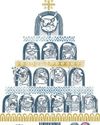
What are the origins of the Yule Lads?
To learn about the Jólasveinar (Yule Lads), we must start with their mother, the terrifying ogress Grýla. Her name appeared in Icelandic texts as early as the 13th century, although it wasn’t until later that those 13 mischievous lads became associated with her. Folk tales and poems tell how she descends from the mountains with an empty sack to stuff full of children. Grýla owns the monstrous Jólaköttur (Yule Cat), which roams the countryside on Christmas Eve, searching for children to gobble up if they're not wearing new clothes.
1 mins
Christmas 2025
BBC History UK
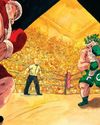
Santa Claus v Father Christmas
The true identity of the white-bearded, red-robed figure who fills children's stockings at Christmas has long been debated. Thomas Ruys Smith sizes up the merry contenders
8 mins
Christmas 2025

BBC History UK
Frontier friction
Set in Washington Territory in 1854, The Abandons is a Western that's unusual for having two matriarchs, women whose lives become entangled, at its centre.
1 min
Christmas 2025

BBC History UK
The Last Days of Pompeii: The Immersive Experience
Delve into the culture of daily Roman life, witness the momentous eruption of Mount Vesuvius, and follow its fallout in Immerse LDN's new exhibition. In a blend of cutting-edge technology and vivid storytelling, this exhibition launches visitors into Pompeii's rich history with recreations of the ancient city's beautiful pre-eruption landscape, a 360-degree virtual reality Roman amphitheatre experience, and a digital metaverse recreating Pompeii's 'Villa of Mysteries'.
1 min
Christmas 2025
BBC History UK
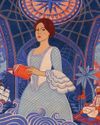
Elizabeth Marsh The corsair's captive
Taken hostage by a Barbary ship's captain in the 18th century, a young Englishwoman found herself fighting for her freedom in Marrakech. ADAM NICHOLS introduces a brave captive who later wrote a book about her dramatic experiences
6 mins
Christmas 2025
BBC History UK
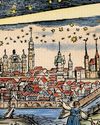
29 DECEMBER 1170: Thomas Becket is murdered in Canterbury
Knights loyal to Henry II rid him of the “low-born cleric”
2 mins
Christmas 2025
Listen
Translate
Change font size