Try GOLD - Free
Dark matter
BBC Sky at Night Magazine
|August 2025
The mysterious force we can't see... and astronomers can’t even agree is there
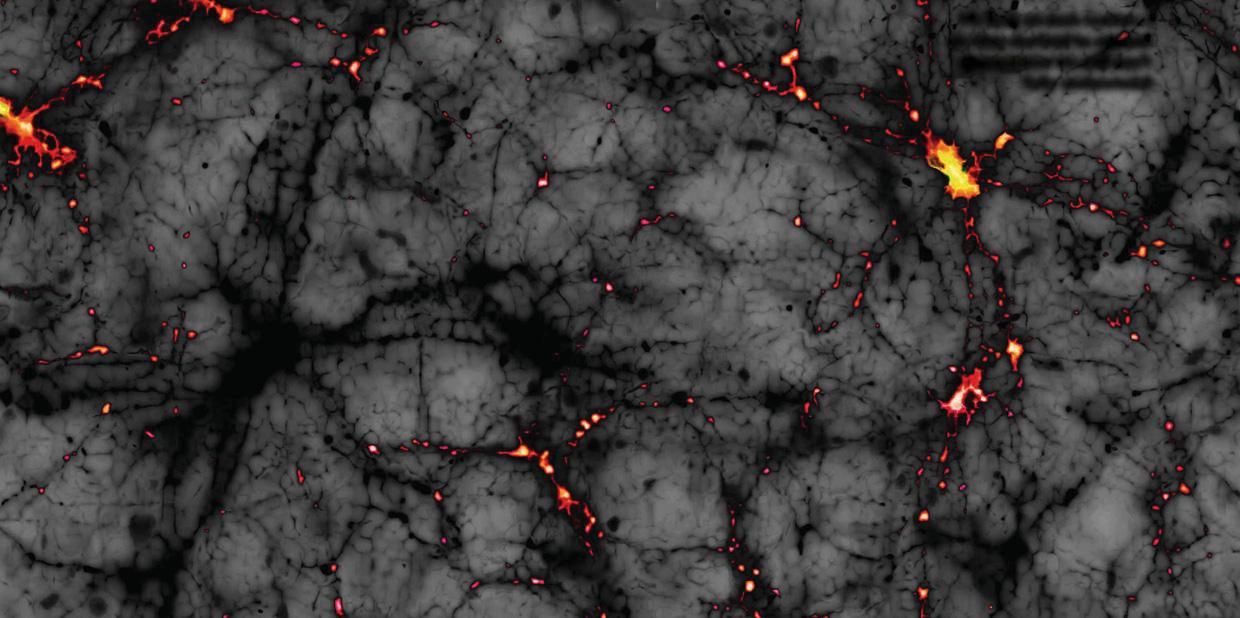
Our eyes paint such vivid portraits of the world around us that it's easy to forget how much of our surroundings go unseen. WiFi signals pinging this way and that, subatomic particles and radiation zipping about. And, if astronomers are to be believed, there's another invisible interloper to throw into the mix: dark matter.
A cosmic glue thought to help bind the Universe together, dark matter is so prevalent that about a milligram (3.5oz) will pass through your body throughout your life. But where did this notion of 'dark matter' come from?
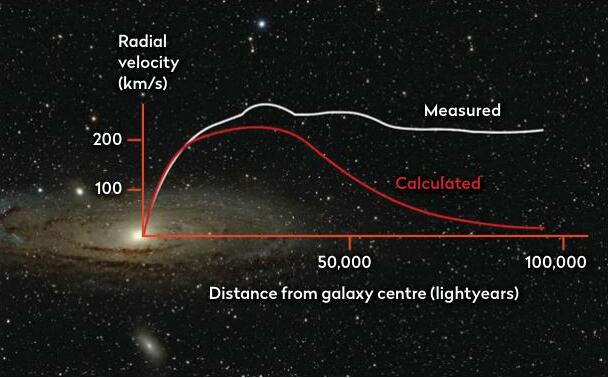 Its story starts in the 1930s. Astronomer Fritz Zwicky was measuring the speeds of galaxies within a big group called the Coma Cluster. He found many were moving so fast that he would have expected them to break free of the cluster's gravitational shackles and head off on their own. Curiously, they didn't. Zwicky suggested there might be some extra, invisible stuff in the cluster providing an additional gravitational glue. Zwicky called this stuff dunkle materie - dark matter.
Around the same time, the Dutch astronomer Jan Oort was observing stars on the outskirts of our own Milky Way Galaxy. He also found them to be moving faster than expected, meaning they too should be able to break away. But again, they didn't.

This story is from the August 2025 edition of BBC Sky at Night Magazine.
Subscribe to Magzter GOLD to access thousands of curated premium stories, and 10,000+ magazines and newspapers.
Already a subscriber? Sign In
MORE STORIES FROM BBC Sky at Night Magazine

BBC Sky at Night Magazine
Capture NLCs with a smartphone
Make this the summer that you nail a shot of beautiful night-shining clouds

3 mins
July 2026

BBC Sky at Night Magazine
ZWO Seestar S30 Pro smart telescope
ZWO Seestar S30 Pro smart telescope
4 mins
July 2026
BBC Sky at Night Magazine
The speed of light
The Universe has a speed limit - and it underpins everything we know about it. We explain the speed of light and its far-reaching implications for astronomy
2 mins
July 2026
BBC Sky at Night Magazine
COMETS AND ASTEROIDS
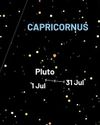
Can you spot dim, barely moving Pluto?
1 min
July 2026

BBC Sky at Night Magazine
THE SKY GUIDE CHALLENGE
What's the youngest Moon you can photograph? Try our ‘impossible’ challenge
2 mins
July 2026

BBC Sky at Night Magazine
Q&A WITH A SCIENCE COMMUNICATOR
As we find more planets in the habitable zones around other suns, we ask Neil deGrasse Tyson what would happen if we did meet intelligent alien life
3 mins
July 2026

BBC Sky at Night Magazine
Make an all-sky camera
How to set up an always-watching system to catch fleeting sky events
3 mins
July 2026
BBC Sky at Night Magazine
The Universe doesn't need a multiverse
The Universe doesn't need a multiverse The idea that there are many universes seems to solve our most stubborn cosmic mysteries. But, argues Brian Clegg, it's no substitute for hard evidence
2 mins
July 2026
BBC Sky at Night Magazine
Planets of mystery
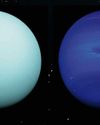
Uranus and Neptune – visited just once, 40 years ago – are the least-known planets in our Solar System. Now 21st-century science has revealed they may not even be the ‘ice giants’ we thought. Joseph Phelan investigates
6 mins
July 2026
BBC Sky at Night Magazine
THE BIG THREE
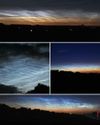
The top sights to observe or image this month
4 mins
July 2026
Listen
Translate
Change font size