
Gå ubegrenset med Magzter GOLD
Få ubegrenset tilgang til over 9000 magasiner, aviser og premiumhistorier for bare
Prøve GULL - Gratis
Dark matter
BBC Sky at Night Magazine
|August 2025
The mysterious force we can't see... and astronomers can’t even agree is there
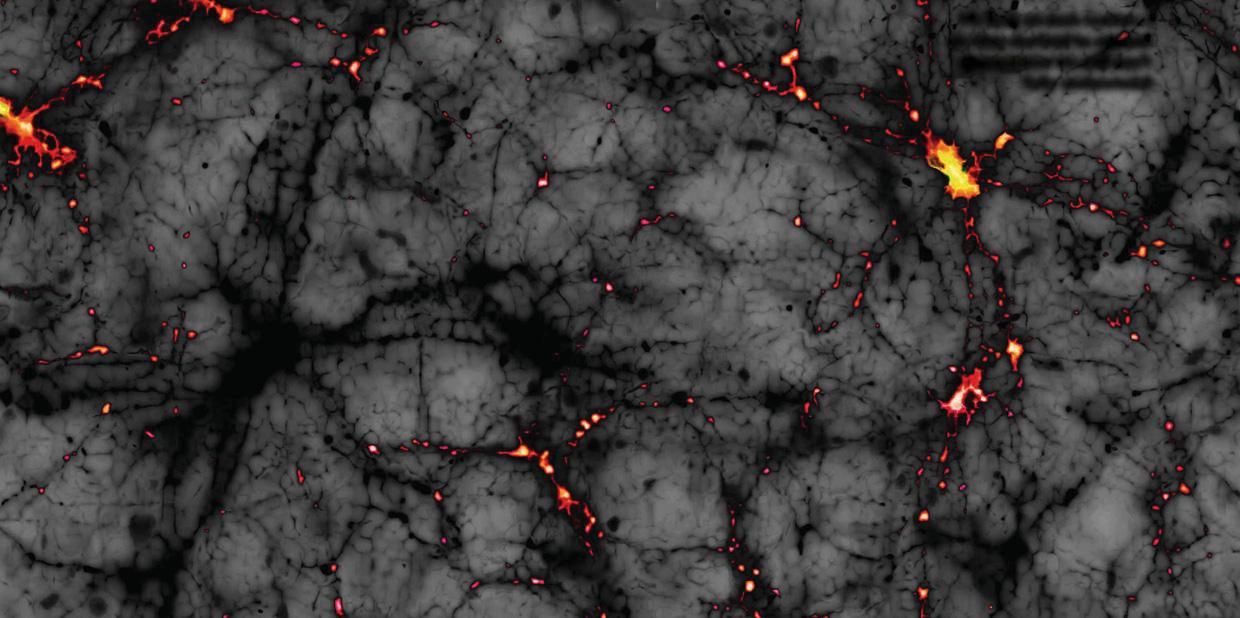
Our eyes paint such vivid portraits of the world around us that it's easy to forget how much of our surroundings go unseen. WiFi signals pinging this way and that, subatomic particles and radiation zipping about. And, if astronomers are to be believed, there's another invisible interloper to throw into the mix: dark matter.
A cosmic glue thought to help bind the Universe together, dark matter is so prevalent that about a milligram (3.5oz) will pass through your body throughout your life. But where did this notion of 'dark matter' come from?
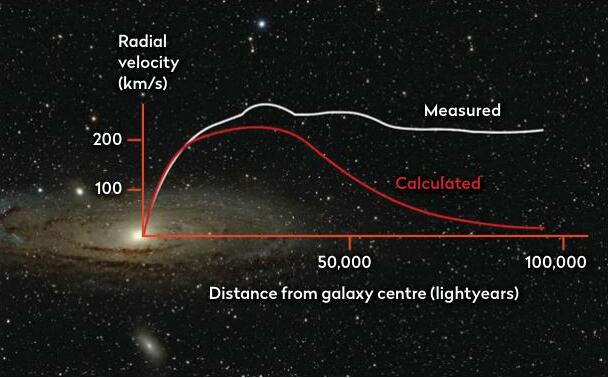 Its story starts in the 1930s. Astronomer Fritz Zwicky was measuring the speeds of galaxies within a big group called the Coma Cluster. He found many were moving so fast that he would have expected them to break free of the cluster's gravitational shackles and head off on their own. Curiously, they didn't. Zwicky suggested there might be some extra, invisible stuff in the cluster providing an additional gravitational glue. Zwicky called this stuff dunkle materie - dark matter.
Around the same time, the Dutch astronomer Jan Oort was observing stars on the outskirts of our own Milky Way Galaxy. He also found them to be moving faster than expected, meaning they too should be able to break away. But again, they didn't.

Denne historien er fra August 2025-utgaven av BBC Sky at Night Magazine.
Abonner på Magzter GOLD for å få tilgang til tusenvis av kuraterte premiumhistorier og over 9000 magasiner og aviser.
Allerede abonnent? Logg på
FLERE HISTORIER FRA BBC Sky at Night Magazine
BBC Sky at Night Magazine
The Giant Leap: Why Space is the Next Frontier in the Evolution of Life
“Earth is the cradle of humanity, but one cannot live in the cradle forever,” wrote Konstantin Tsiolkovsky in 1911.

1 mins
February 2026
BBC Sky at Night Magazine
Tele Vue Nagler Type-7 series eyepieces
These premium optics were inspired by Apollo - and deliver a giant leap to your views
4 mins
February 2026
BBC Sky at Night Magazine
Once Upon a Time in Space
While the Space Race of the Cold War years was ultimately a geopolitical contest between the USA and the Soviet Union, the rivalry sparked rapid innovation and inspired multiple generations to look skyward.
1 mins
February 2026
BBC Sky at Night Magazine
The Multiverse: When One Universe Isn't Enough
The concept of a 'multiverse' – the idea that our Universe may be just one of many – is widespread in science fiction and a common thread of online discussions.
1 mins
February 2026
BBC Sky at Night Magazine
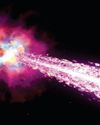
Q&A WITH A GAMMA RAY SPECIALIST
In 2025, astronomers detected a blast from space that lasted seven hours. Now they're uncovering the strange processes behind the exceptional outburst
3 mins
February 2026

BBC Sky at Night Magazine
Astronomy Photographer of the Year
The world-leading astrophotography competition returns. Could your image take the top prize of £10,000?
2 mins
February 2026
BBC Sky at Night Magazine
MOONWATCH
February's top lunar feature to observe
2 mins
February 2026
BBC Sky at Night Magazine
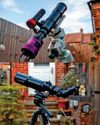
NOVAStar Scarlet A62Q 62mm f/8.4 quadruplet achromatic refractor
Well-built and capable, this beginner scope punches well above its bargain price
4 mins
February 2026
BBC Sky at Night Magazine
STAR OF THE MONTH
Rasalas, Leo the Lion's metal-rich crown
1 min
February 2026
BBC Sky at Night Magazine
Comet 24P/Schaumasse
Having reached perihelion on 8 January, comet 24P/ Schaumasse is now fading. Starting the month at a small-telescope-friendly mag. +10.5, it dims throughout February to below 12th magnitude.
1 min
February 2026
Listen
Translate
Change font size