
Go Unlimited with Magzter GOLD
Get unlimited access to 10,000+ magazines, newspapers and Premium stories for just
Try GOLD - Free
What Zoya Sees
The Atlantic
|November 2024
Long a fearless critic of Israeli society, since October 7 Zoya Cherkassky-Nnadi has made wrenching portraits of her nation's sufferingand become a target of protest.

You can't walk far in Tel Aviv without encountering a raw expression of Israel's national trauma on October 7. The streets are lined with posters of hostages, and giant signs and graffiti demanding BRING THEM HOME. Making my way through Florentin, a former slum that has become an artists' neighborhood, to visit Zoya Cherkassky-Nnadi,one of the most popular painters in Israel, I passed a mural of a child being taken hostage. A Hamas terrorist in a green headband and balaclava points a rifle at the child, who has his hands in the air. The boy is recognizable as a version of the child in the famous photograph from the Warsaw Ghetto uprising in 1943. The artist first painted the mural in Milan, but images of October 7 are not always well received outside Israel.
In Milan, someone scrubbed the Jewish child out of the picture.
Zoya first name only, at least in the art world also made drawings about October 7 that met with an unexpectedly hostile response abroad. Until then, Zoya's international reputation had been ascending. She was seen as a sharp critic and satirist of Israeli society-Israel's Hogarth, as it were. Like him, she sketches people whom others overlook; like his, her portraits editorialize. Perhaps you assume that overlooked means "Palestinian."
Zoya has made paintings about the plight of Palestinians, but what really interests her are even less visible members of Israeli society, such as African immigrants, and the invisible and stigmatized, such as sex workers. Since her October 7 drawings were shown in New York, however, she has been accused of making propaganda for Israel. Similar charges have been leveled against other prominent Israeli artists since the start of the Gaza war, but the denunciation of Zoya was particularly public.
Zoya is an immigrant herself-born in Kyiv in 1976, when Ukraine was still part I of the Soviet Union-and she has spent her life in a kind of internal exile.
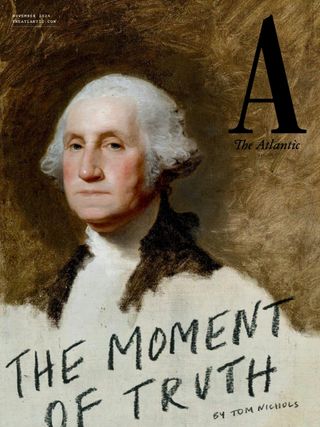

This story is from the November 2024 edition of The Atlantic.
Subscribe to Magzter GOLD to access thousands of curated premium stories, and 10,000+ magazines and newspapers.
Already a subscriber? Sign In
MORE STORIES FROM The Atlantic

The Atlantic
How America Celebrated Its 100th Birthday
The Centennial Exhibition of 1876 promised a glorious industrial future. Outside its gates, the country seethed with violence and corruption.

12 mins
June 2026

The Atlantic
THE CLOWN SHOW
The Savannah Bananas are reviving one of the most entertaining—and controversial—teams in Negro Leagues history.
21 mins
June 2026

The Atlantic
The Diva
Denyce Graves is retiring from performing after a career as one of opera's leading women. But there's more work for her to do.
10 mins
June 2026

The Atlantic
Cat Heir
Did Karl Lagerfeld really leave millions to Choupette?
26 mins
June 2026

The Atlantic
The Secret of Elizabeth Strout's Appeal
How she writes best sellers that are also critical darlings
10 mins
June 2026
The Atlantic
THE VENTURE-CAPITAL POPULIST
How David Sacks and the new tech right went full MAGA and captured Washington
32 mins
June 2026

The Atlantic
Glory Days
Heartland rock was shot through with nostalgia— but nostalgia for what?
9 mins
June 2026

The Atlantic
Alien Nation
Why Americans want to believe that the government is hiding the truth about extraterrestrial life
11 mins
June 2026

The Atlantic
Dinah's Hat
On the day Dinah lost her hat, I was sitting on the top step of my just-right Scamp trailer doing a crossword.
24 mins
June 2026

The Atlantic
THE AMERICA I'VE KNOWN
In my 93rd year, it's become ever more clear that patriotism requires sacrifice and collective effort.
7 mins
June 2026
Listen
Translate
Change font size