Prøve GULL - Gratis
The Imperiled Orcas of the Salish Sea
Scientific American
|January 2026
The southern resident killer whales are on the brink. Now the scientists who study them are, too
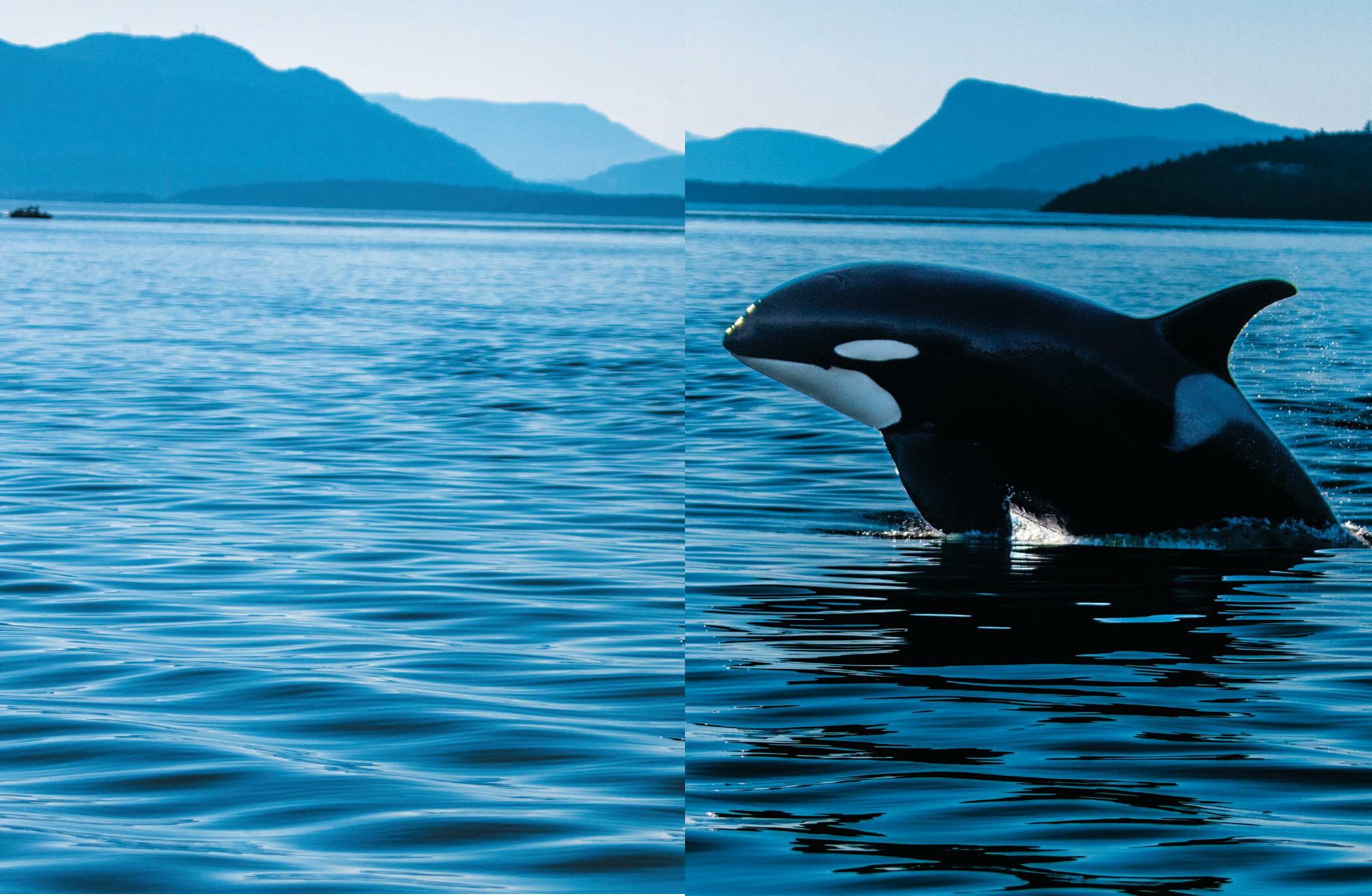
LIKE MANY PEOPLE WHO VISIT SAN JUAN ISLAND, I came here for the orcas.
This little patch of forest and farmland off the coast of Washington State is one of the best places in the world to encounter them. But you can't schedule an orca sighting, so on a sunny July day I was killing time, wandering a lush meadow, when a bolt of adrenaline struck: I had missed three calls from Deborah Giles, a researcher at the SeaDoc Society, a marine science nonprofit. The southern residents had been spotted nearby for the first time in months. I had 40 minutes to meet her on the far side of the island.
The southern resident orcas have lived off the coast of the Pacific Northwest for thousands of years. They don't associate with any of the estimated 50,000 other orcas living around the world, even those who share the same home waters. They have their own language, customs and culture, and they are the most studied population of orcas on Earth. But because of human encroachment on the shores and waters of their territory, they are in dire trouble.
I arrived at Giles's mooring just moments before she did. She lives on whale time, meaning she will drop anything to get on the water with southern residents, the focus of her research. She told me she hasn't taken a vacation away from San Juan Island in years—it's just not relaxing. What if the southern residents appear while she's gone?

Denne historien er fra January 2026-utgaven av Scientific American.
Abonner på Magzter GOLD for å få tilgang til tusenvis av kuraterte premiumhistorier og over 9000 magasiner og aviser.
Allerede abonnent? Logg på
FLERE HISTORIER FRA Scientific American

Scientific American
Probiotic Hope and Hype
Despite their popularity, supplements with billions of \"good\" microbes help only a few illnesses, research shows

3 mins
January 2026
Scientific American
Mondays Really Are More Stressful
The start of the workweek can be a biologically measurable stressor, with consequences for long-term health that can stretch into retirement
4 mins
January 2026
Scientific American
Tiny Display
An e-paper breakthrough brings extremely high-resolution color
2 mins
January 2026
Scientific American
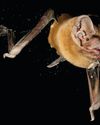
Fine-Feathered Snack
A bat's tracker documents a dramatic midair hunt
2 mins
January 2026

Scientific American
OUR ROBOTIC PICTURE
Will mechanical helpers ever be commonplace at home, at work and beyond?
11 mins
January 2026

Scientific American
"Use Your Words" Can Be Good for Kids' Health
Writing or expressing feelings can help adults mentally and physically. Kids are no different
5 mins
January 2026
Scientific American
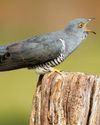
Distant Diplomacy
Unrelated species “talk” and understand one another to avoid threats
2 mins
January 2026

Scientific American
Behind the Nobel
A 2025 winner reflects on the mysterious T cells that won him the prize
5 mins
January 2026

Scientific American
A Suite of Killers
Heart ailments, kidney diseases and type 2 diabetes actually may be part of just one condition. It's called CKM syndrome
10 mins
January 2026
Scientific American
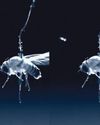
Static Launch
Tiny worms leap toward their fruit fly hosts with an electric “tractor beam”
3 mins
January 2026
Listen
Translate
Change font size