
Gå ubegrenset med Magzter GOLD
Få ubegrenset tilgang til over 9000 magasiner, aviser og premiumhistorier for bare
Prøve GULL - Gratis
Mondays Really Are More Stressful
Scientific American
|January 2026
The start of the workweek can be a biologically measurable stressor, with consequences for long-term health that can stretch into retirement
-
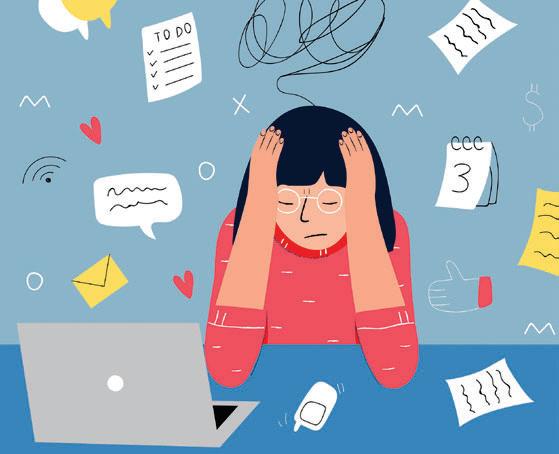
FOR DECADES THE TERM “MONDAY BLUES” has been shorthand for the collective groan that greets the start of each workweek. It’s also well documented in medical statistics. Mondays come with higher rates of anxiety, stress and even suicide compared with other days. Studies on the phenomenon across entire countries have found a 19 percent increase in the chance of sudden cardiac death from confirmed heart attacks and other cardiovascular events on Mondays, affecting both men and women across age groups.
It now turns out that the effect of Mondays can extend well beyond fleeting fluctuations in mood. One of us (Chandola) recently discovered that people who report feeling anxious on Mondays show evidence of heightened activity in the body’s stress-response system over months. More surprising, this effect persisted among older adults who were no longer in the workforce, suggesting that, for some people, the stress of Mondays is a lifelong burden.
The biological underpinnings of the “Monday effect” have long been unclear, however. Is the type of stress and anxiety experienced on Monday biologically distinct? And could it be leaving a mark on the body even after people stop working?
To answer these questions, Chandola focused on the stress hormone cortisol. The hypothalamic-pituitary-adrenal axis, a central stress pathway linking brain and body, manages much of people’s response to stress. When we experience a stressor—whether it’s something psychological, such as a looming deadline, or physical, such as a biting cold morning—our brain triggers the release of cortisol. The hormone helps us manage short-term stress by mobilizing energy and sharping focus. But chronically high levels of cortisol disrupt the brain and bodily systems, impairing immune function and increasing the risk of anxiety, depression, cardiovascular disease, diabetes and obesity.

Denne historien er fra January 2026-utgaven av Scientific American.
Abonner på Magzter GOLD for å få tilgang til tusenvis av kuraterte premiumhistorier og over 9000 magasiner og aviser.
Allerede abonnent? Logg på
FLERE HISTORIER FRA Scientific American

Scientific American
The Business of Space Weather
A company aims to offer better forecasts based on a new solar model

7 mins
April 2026

Scientific American
Mindless Sleep
Even without brains, sea anemones and jellyfish can sleep like humans do
1 min
April 2026

Scientific American
THE KIDS ARE ALL RIGHT
Young people are doing better than you think
12 mins
April 2026

Scientific American
Something in THE WATER
Pristine alpine lakes are being choked by algal blooms. The culprit is in the air
9 mins
April 2026

Scientific American
A Dose of Prevention
New alert systems and biomarkers are spotting drug- induced kidney damage early, before irreversible harm
6 mins
April 2026

Scientific American
Life on the Edge
Kidney damage can progress for years without symptoms. The newly diagnosed cope with everything from restrictive diets to the emotional and logistical toll of dialysis
9 mins
April 2026
Scientific American
Stopping an Autoimmune Attack
IgA nephropathy, a frequent cause of kidney failure, is underdiagnosed. New treatments mean it's more important now to find those who will benefit
8 mins
April 2026

Scientific American
Mindless Sleep
Even without brains, sea anemones and jellyfish can sleep like humans do
4 mins
April 2026

Scientific American
Microbes Afloat
BACTERIA AND THE VIRUSES that infect them are perpetually at war. Their deadly clashes push both kinds of microbes to evolve new traits that meet the challenges of every environment they inhabit, from the human digestive tract to the seafloor’s hydrothermal vents— and even the harsh conditions of space.
2 mins
April 2026

Scientific American
The Strangest Bloom
Research reveals how the corpse flower came by its peculiar traits
9 mins
April 2026
Listen
Translate
Change font size