
Magzter GOLDで無制限に
10,000以上の雑誌、新聞、プレミアム記事に無制限にアクセスできます。
JUNO: The mission that rewrote the story of Jupiter
BBC Sky at Night Magazine
|September 2025
As NASA's Juno mission nears its end, Nicky Jenner explores the secrets it has uncovered about the Solar System's largest and most enigmatic world
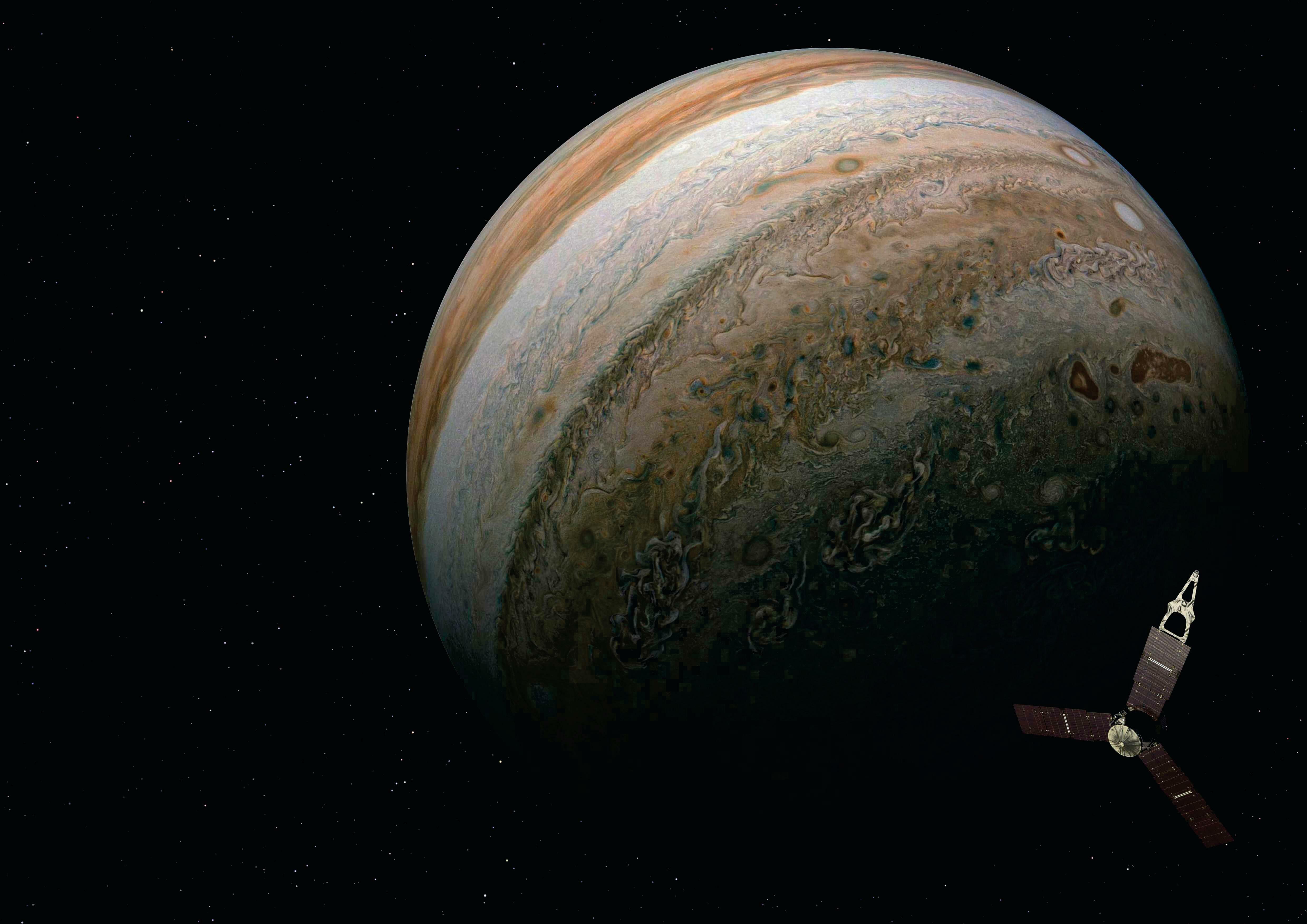
It's difficult to fully grasp the enormity and extremity of Jupiter.
The planet - a striped behemoth of swirling gas with around 100 moons, one of which is larger than Mercury - dominates the Solar System, flooding space with its magnetism and exerting its powerful gravity over everything nearby. The planet contains most of the 'stuff' left over after the birth of the Sun, and is so influential that it's played a central role in shaping our patch of space into the system we see today.
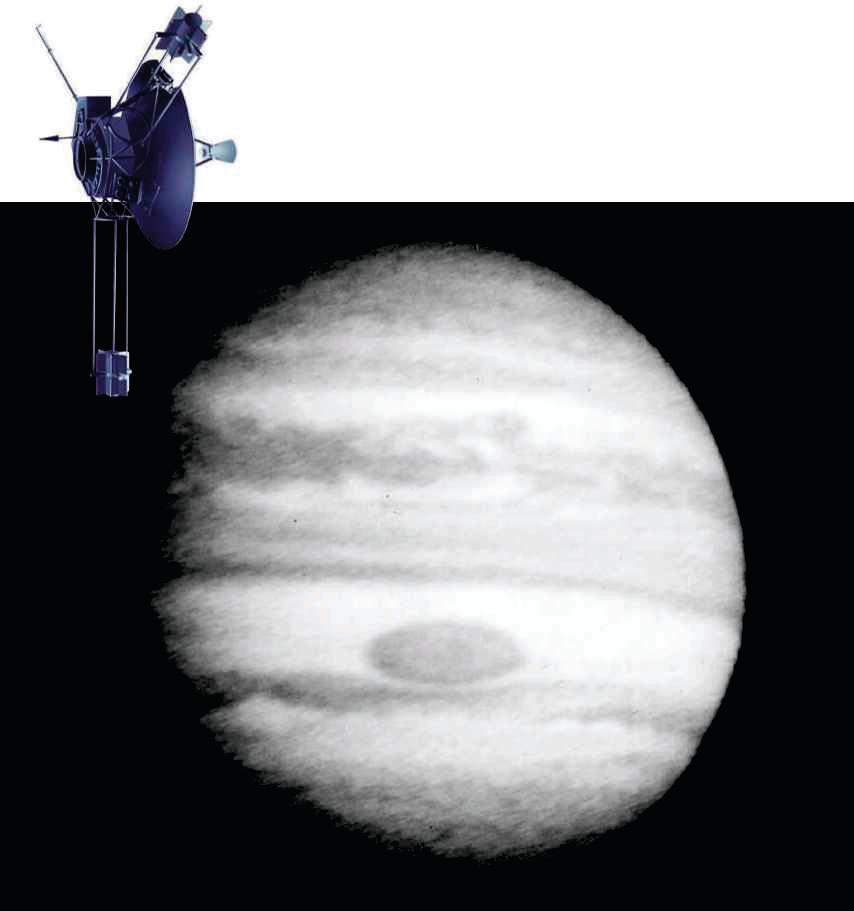
It's no wonder that we've had Jupiter firmly in our sights from our earliest forays into space exploration. We first sent spacecraft there in the 1970s with NASA's Pioneer and Voyager probes, which swung past the planet and observed it from space.
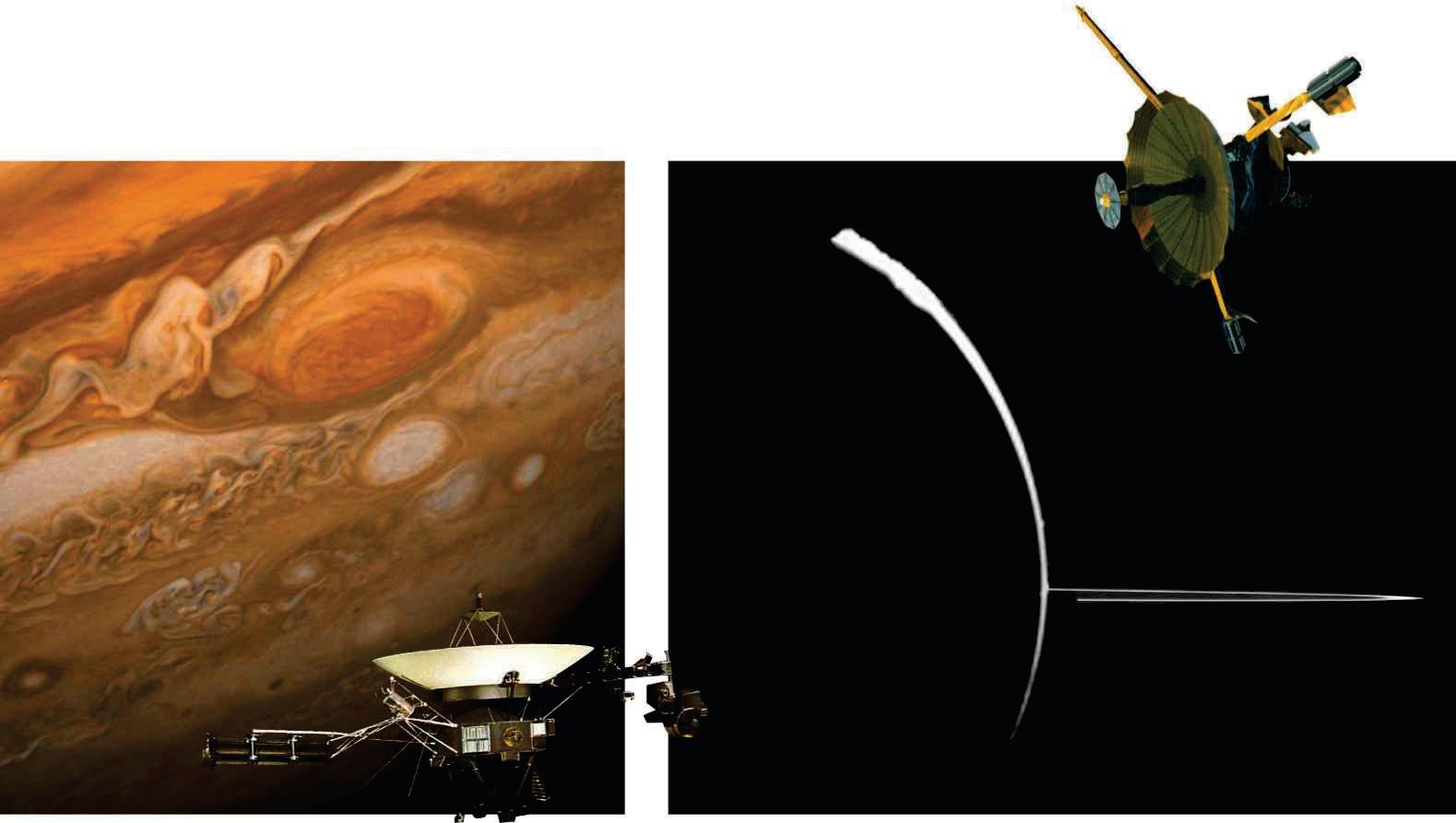
 NASA's Galileo probe stayed a little longer, taking up residence around Jupiter from 1995 to 2003, and was shortly succeeded by another NASA orbiter that's still peering down at the gas giant today: Juno.
A gift to Jupiter fans
“NASA sends a probe to deep space - that is, beyond Mars - every decade. Juno was selected for this in 2005,” says Juno scientist John Leif Jørgensen of the Technical University of Denmark. “Previous probes had only been transitory or orbited Jupiter's equator, offering very limited views of high latitudes. But higher latitudes contain much more information about a planet's morphology, surface and interior, so we proposed a polar orbiter.”
 Such an orbit is subject to harsher radiation and is more complex to operate - but it's been worth it. “With Juno, practically all possible observations have become superior to those offered by any other mission."

このストーリーは、BBC Sky at Night Magazine の September 2025 版からのものです。
Magzter GOLD を購読すると、厳選された何千ものプレミアム記事や、10,000 以上の雑誌や新聞にアクセスできます。
すでに購読者ですか? サインイン
BBC Sky at Night Magazine からのその他のストーリー
BBC Sky at Night Magazine
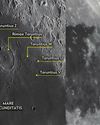
MOONWATCH
January's top lunar feature to observe

2 mins
January 2026
BBC Sky at Night Magazine
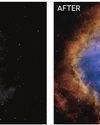
Speed up your processing workflow
How to use Photoshop's Actions tool to drastically cut your processing time
3 mins
January 2026
BBC Sky at Night Magazine
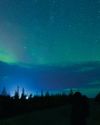
Chasing Canada's polar lights
With solar maximum peaking and a new Moon promising dark skies, Jamie Carter travels to Churchill, Manitoba to hunt the Northern Lights - and dodge polar bears – in Canada's far north
7 mins
January 2026

BBC Sky at Night Magazine
Beyond Pluto: The search for the hidden planets
Could one – or even two - undiscovered planets lurk at the edges of our Solar System? Nicky Jenner explores how close we are to finding the elusive 'Planet 9'
6 mins
January 2026
BBC Sky at Night Magazine
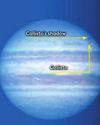
Jupiter moon events
Jupiter is a magnificent planet to observe.
2 mins
January 2026

BBC Sky at Night Magazine
What samples from space have taught us
Alastair Gunn explains what scientists have learnt in the 20 years since the first unmanned mission brought materials back from alien worlds
3 mins
January 2026
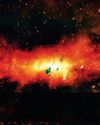
BBC Sky at Night Magazine
The Milky Way as you've never seen it before
This is the largest low-frequency radio colour image of our Galaxy ever assembled
1 min
January 2026
BBC Sky at Night Magazine
Merger of ‘impossibly' massive black holes explained
Scientists discover how enormous, fast-spinning black holes can exist after all
1 mins
January 2026
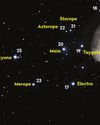
BBC Sky at Night Magazine
Lunar occultation of the Pleiades
BEST TIME TO SEE: 27 January from 20:30 UT
1 min
January 2026
BBC Sky at Night Magazine
The Universe's expansion may be slowing down
New study suggests current theories of dark energy could be wrong
1 mins
January 2026
Listen
Translate
Change font size