
Magzter GOLDで無制限に
10,000以上の雑誌、新聞、プレミアム記事に無制限にアクセスできます。
Bresser PushTo AR-80/400 smart telescope with tripod
BBC Sky at Night Magazine
|November 2025
This bargain app-assisted starter set takes you from box to stars in minutes
Astronomy has always carried a certain mystique. For many, it feels like an intimidating hobby, steeped in technical jargon and reliant on complex equipment. The new Bresser PushTo AR-80/400 smart telescope sets out to dispel that reputation. Combining classic refractor optics with a manual mount and an app-based navigation system, it positions itself as a beginner's gateway to the cosmos. Over several evenings – and a daytime solar session – we put it through its paces.
The scope arrived from Bresser UK in one tightly organised package. Setup was delightfully straightforward, with just two bolts to connect the mount head to the tripod. Within 10 minutes we were ready for first light. We noted that while the lightweight tripod is perfectly serviceable, the telescope can also rest sturdily on its tabletop mount for more spontaneous grab-and-go moments. This flexibility makes it well suited to garden observing, travelling to darker sites, or even positioning by a window when a gap in the clouds appears.
Bresser has been generous with the accessory bundle, providing two eyepieces (6mm and 20mm), one 2x Barlow lens, a solar filter, smartphone holder, compass and a detailed instruction manual. It's more than enough to get you started without feeling the need to add extras from day one. If we had a minor gripe, it was with the eyepiece markings: the black lettering on a black background is difficult to read by torchlight. Still, this feels like nitpicking when considering the set's overall value.
The heart of the push-to system lies in the companion app, which connects via Bluetooth. Installation was smooth, although it's worth noting that at the time of review no iOS version was available. Our review model paired happily with a Windows 10 laptop within minutes. Once configured, the app acts as your digital guide, helping you align the mount and select targets with simple step-by-step cues.
First test: the Sun


このストーリーは、BBC Sky at Night Magazine の November 2025 版からのものです。
Magzter GOLD を購読すると、厳選された何千ものプレミアム記事や、10,000 以上の雑誌や新聞にアクセスできます。
すでに購読者ですか? サインイン
BBC Sky at Night Magazine からのその他のストーリー
BBC Sky at Night Magazine
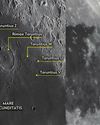
MOONWATCH
January's top lunar feature to observe

2 mins
January 2026

BBC Sky at Night Magazine
Speed up your processing workflow
How to use Photoshop's Actions tool to drastically cut your processing time
3 mins
January 2026

BBC Sky at Night Magazine
Chasing Canada's polar lights
With solar maximum peaking and a new Moon promising dark skies, Jamie Carter travels to Churchill, Manitoba to hunt the Northern Lights - and dodge polar bears – in Canada's far north
7 mins
January 2026

BBC Sky at Night Magazine
Beyond Pluto: The search for the hidden planets
Could one – or even two - undiscovered planets lurk at the edges of our Solar System? Nicky Jenner explores how close we are to finding the elusive 'Planet 9'
6 mins
January 2026

BBC Sky at Night Magazine
Jupiter moon events
Jupiter is a magnificent planet to observe.
2 mins
January 2026

BBC Sky at Night Magazine
What samples from space have taught us
Alastair Gunn explains what scientists have learnt in the 20 years since the first unmanned mission brought materials back from alien worlds
3 mins
January 2026

BBC Sky at Night Magazine
The Milky Way as you've never seen it before
This is the largest low-frequency radio colour image of our Galaxy ever assembled
1 min
January 2026
BBC Sky at Night Magazine
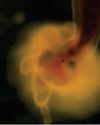
Merger of ‘impossibly' massive black holes explained
Scientists discover how enormous, fast-spinning black holes can exist after all
1 mins
January 2026
BBC Sky at Night Magazine
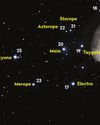
Lunar occultation of the Pleiades
BEST TIME TO SEE: 27 January from 20:30 UT
1 min
January 2026
BBC Sky at Night Magazine
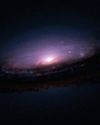
The Universe's expansion may be slowing down
New study suggests current theories of dark energy could be wrong
1 mins
January 2026
Listen
Translate
Change font size