
Magzter GOLDで無制限に
10,000以上の雑誌、新聞、プレミアム記事に無制限にアクセスできます。
25 years of life in orbit
BBC Sky at Night Magazine
|November 2025
Humans have now continuously occupied the International Space Station for a quarter century. Ben Evans celebrates the milestone and asks what's next
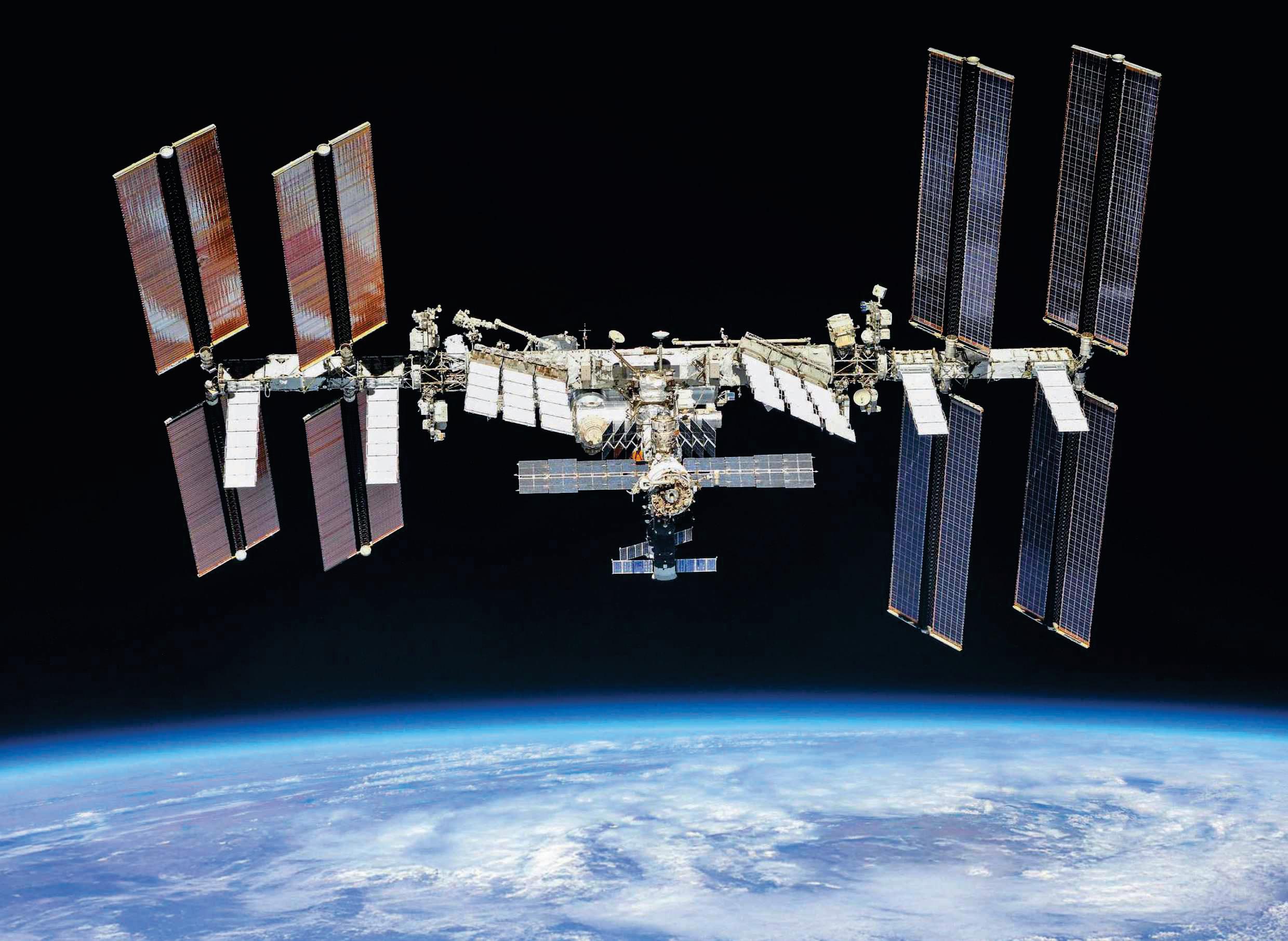
On 2 November 2000, a US astronaut and two Russian cosmonauts became the first full-time crew of the International Space Station (ISS). Expedition 1's Bill Shepherd, Sergei Krikalev and Yuri Gidzenko spent four months bringing the station to life - and a new era dawned.
Thus began a 25-year human presence in space. Fast forward to today and the ISS has hosted 290 people from 27 nations. Building, maintaining and operating this Earth-circling marvel - the brightest artificial object in the sky, larger than a football field - is our grandest engineering success and a testament to international partnerships at their best. Put in context, around a quarter of Earth's population alive today has never known a moment when humans were not in space.
When Shepherd's crew arrived, the ISS was the size of a small apartment. Station life proved tough, expeditionary and pioneering, with few creature comforts. In March 2001, Shuttle Discovery brought them home after delivering the Expedition 2 crew. Following nautical convention, Shepherd rang a ship's brass bell to signify the change of command - an ISS tradition that continues to this day.
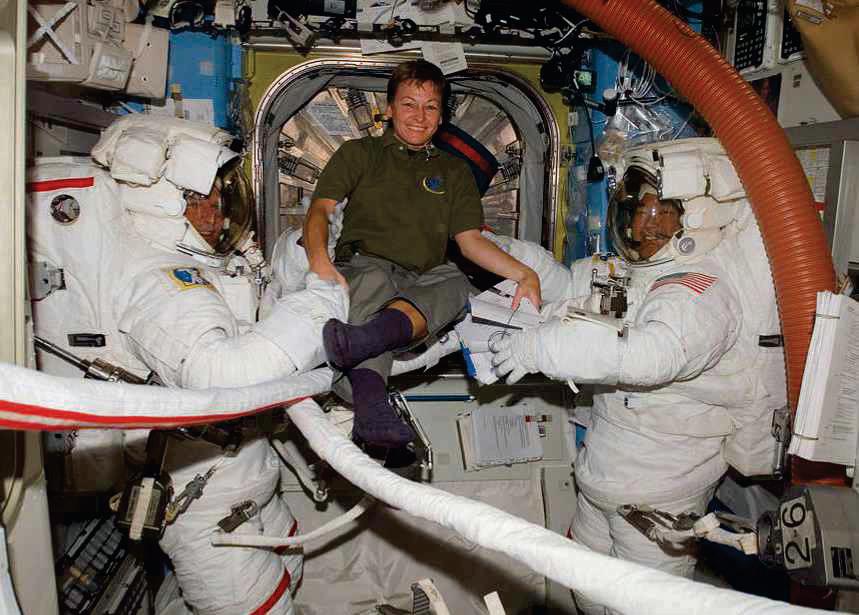 The station expanded rapidly. Astronauts and cosmonauts performed 275 spacewalks to assemble, upgrade and repair the ISS, tending to occasional power failures, coolant leaks and computer glitches. But the dangers were acute: in 2013, water entered astronaut Luca Parmitano's helmet during a spacewalk. He only narrowly survived.
Breaking barriers

このストーリーは、BBC Sky at Night Magazine の November 2025 版からのものです。
Magzter GOLD を購読すると、厳選された何千ものプレミアム記事や、10,000 以上の雑誌や新聞にアクセスできます。
すでに購読者ですか? サインイン
BBC Sky at Night Magazine からのその他のストーリー
BBC Sky at Night Magazine
MOONWATCH
January's top lunar feature to observe

2 mins
January 2026
BBC Sky at Night Magazine
Speed up your processing workflow
How to use Photoshop's Actions tool to drastically cut your processing time
3 mins
January 2026
BBC Sky at Night Magazine
Chasing Canada's polar lights
With solar maximum peaking and a new Moon promising dark skies, Jamie Carter travels to Churchill, Manitoba to hunt the Northern Lights - and dodge polar bears – in Canada's far north
7 mins
January 2026
BBC Sky at Night Magazine
Beyond Pluto: The search for the hidden planets
Could one – or even two - undiscovered planets lurk at the edges of our Solar System? Nicky Jenner explores how close we are to finding the elusive 'Planet 9'
6 mins
January 2026
BBC Sky at Night Magazine
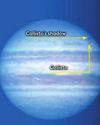
Jupiter moon events
Jupiter is a magnificent planet to observe.
2 mins
January 2026

BBC Sky at Night Magazine
What samples from space have taught us
Alastair Gunn explains what scientists have learnt in the 20 years since the first unmanned mission brought materials back from alien worlds
3 mins
January 2026
BBC Sky at Night Magazine
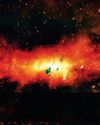
The Milky Way as you've never seen it before
This is the largest low-frequency radio colour image of our Galaxy ever assembled
1 min
January 2026
BBC Sky at Night Magazine
Merger of ‘impossibly' massive black holes explained
Scientists discover how enormous, fast-spinning black holes can exist after all
1 mins
January 2026
BBC Sky at Night Magazine
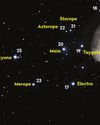
Lunar occultation of the Pleiades
BEST TIME TO SEE: 27 January from 20:30 UT
1 min
January 2026
BBC Sky at Night Magazine
The Universe's expansion may be slowing down
New study suggests current theories of dark energy could be wrong
1 mins
January 2026
Listen
Translate
Change font size