
मैगज़्टर गोल्ड के साथ असीमित हो जाओ
10,000 से अधिक पत्रिकाओं, समाचार पत्रों और प्रीमियम कहानियों तक असीमित पहुंच प्राप्त करें सिर्फ
कोशिश गोल्ड - मुक्त
SILENT FAMINE
Down To Earth
|January 16, 2024
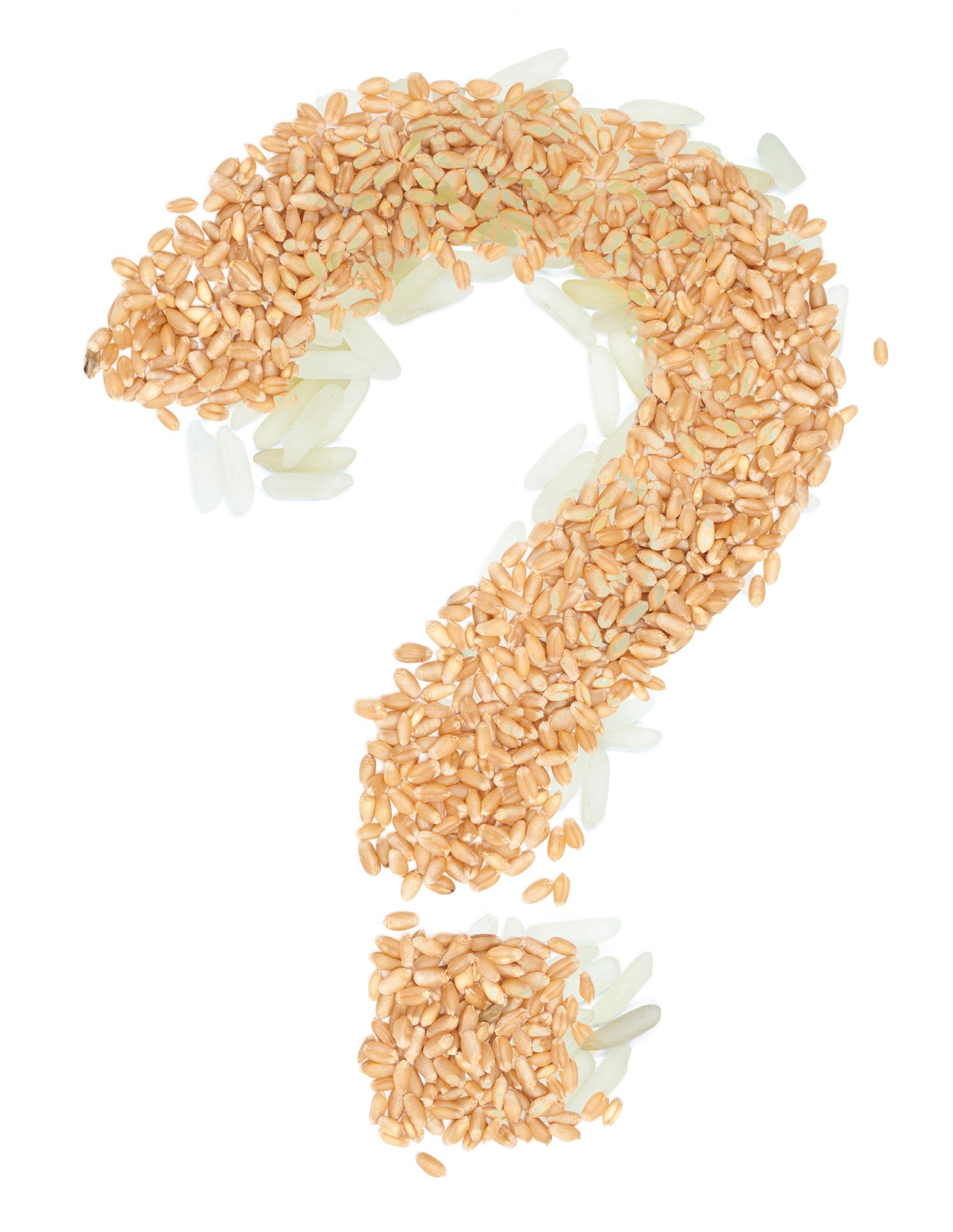
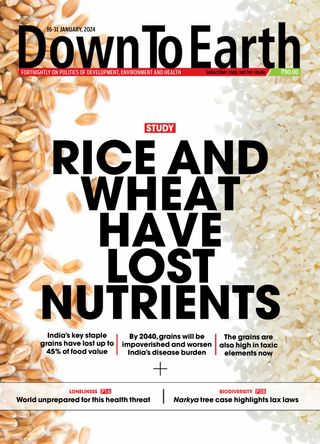
For the past 50 years, the country has introduced high-yielding rice and wheat varieties at breakneck speed to achieve food security. A study led by scientists with the Indian Council of Agricultural Research (ICAR) has for the first time looked at the food value of these modern-bred grains, and delivers some dire warnings: the food grains that we eat have lost food value; instead they are accumulating toxins. Worse, by 2040, the grains will become so "impoverished" that they would worsen the country's growing burden of non-communicable diseases.

YOU ARE what you eat, or, rather, what you grow to eat. Imagine an entire population eating something that has little food value-something that is devoid of nutrients such as a host of vitamins which are essential for growth, disease prevention and maintaining overall health and well-being. "This is the future we are hurtling towards," says Sovan Debnath, a soil scientist at the Indian Council of Agricultural Research (ICAR) under the Union Ministry of Agriculture and Farmers Welfare.
In November 2023, Debnath and 11 other scientists from ICAR, Bidhan Chandra Krishi Viswavidyalayaanother premier agricultural research institute in West Bengal-and the National Institute of Nutrition in Telangana published a seminal study that says the Green Revolution has helped India achieve food security, but by compromising its nutritional security. In a first, the study reports that breeding programmes focused on developing high-yielding varieties have altered the nutrient profiles of rice and wheat, two major staple food grains of India, to the extent that their dietary significance to the population has diminished. While chasing yield, the plant genetics have been tinkered with so much that they no longer do the fundamental job of delivering nutrition from the soil to the grains.

यह कहानी Down To Earth के January 16, 2024 संस्करण से ली गई है।
हजारों चुनिंदा प्रीमियम कहानियों और 10,000 से अधिक पत्रिकाओं और समाचार पत्रों तक पहुंचने के लिए मैगज़्टर गोल्ड की सदस्यता लें।
क्या आप पहले से ही ग्राहक हैं? साइन इन करें
Down To Earth से और कहानियाँ

Down To Earth
THINK TWICE BEFORE FELLING SAL TREES
Many trees considered to be affected by sal borer in the 1990s are still alive today

1 mins
February 16, 2026

Down To Earth
EDGE OF SURVIVAL
Caste divides deny marginalised communities land, resources and essential aid, leaving them more vulnerable to climate disasters
6 mins
February 16, 2026

Down To Earth
A WISH LIST?
Union Budget for 2026-27 conveys the impression of a roll-call of intentions and ambitious proposals, with little detail on their formulation
6 mins
February 16, 2026
Down To Earth
Break down the gender wall
THE RULING National Democratic Alliance (NDA) government has been heavily invested in the goal to make India a developed economy by 2047.
2 mins
February 16, 2026

Down To Earth
MENSTRUAL HEALTH, NOW A FUNDAMENTAL RIGHT
In a landmark judgement, the Supreme Court has recognised menstrual health and hygiene as a fundamental right under Article 21 of the Constitution of India, which guarantees the right to life and dignity.
8 mins
February 16, 2026

Down To Earth
Of devolution and new disasters
The 16th Finance Commission pushes for changes in view of new fiscal and climatic conditions
11 mins
February 16, 2026
Down To Earth
Rising risks of plastics
NEGATIVE IMPACTS on human health due to emissions linked to the plastic lifecycle could double by 2040, according to a study published in The Lancet Planetary Health in January.
1 min
February 16, 2026

Down To Earth
GAP BETWEEN EPIDEMICS NARROWING
A watershed-based and landscape-level approach is needed to address forest degradation
2 mins
February 16, 2026
Down To Earth
WAITING TO STRIKE
Sal heartwood borer is considered the biggest threat to forestry in India, especially to the sal tree, where it lives and breeds.
11 mins
February 16, 2026
Down To Earth
A SPRING DELIGHT
Mustard flowers are not meant only for the eyes. Invite them to your plate once in a while
3 mins
February 16, 2026
Listen
Translate
Change font size