Versuchen GOLD - Frei
SILENT FAMINE
Down To Earth
|January 16, 2024
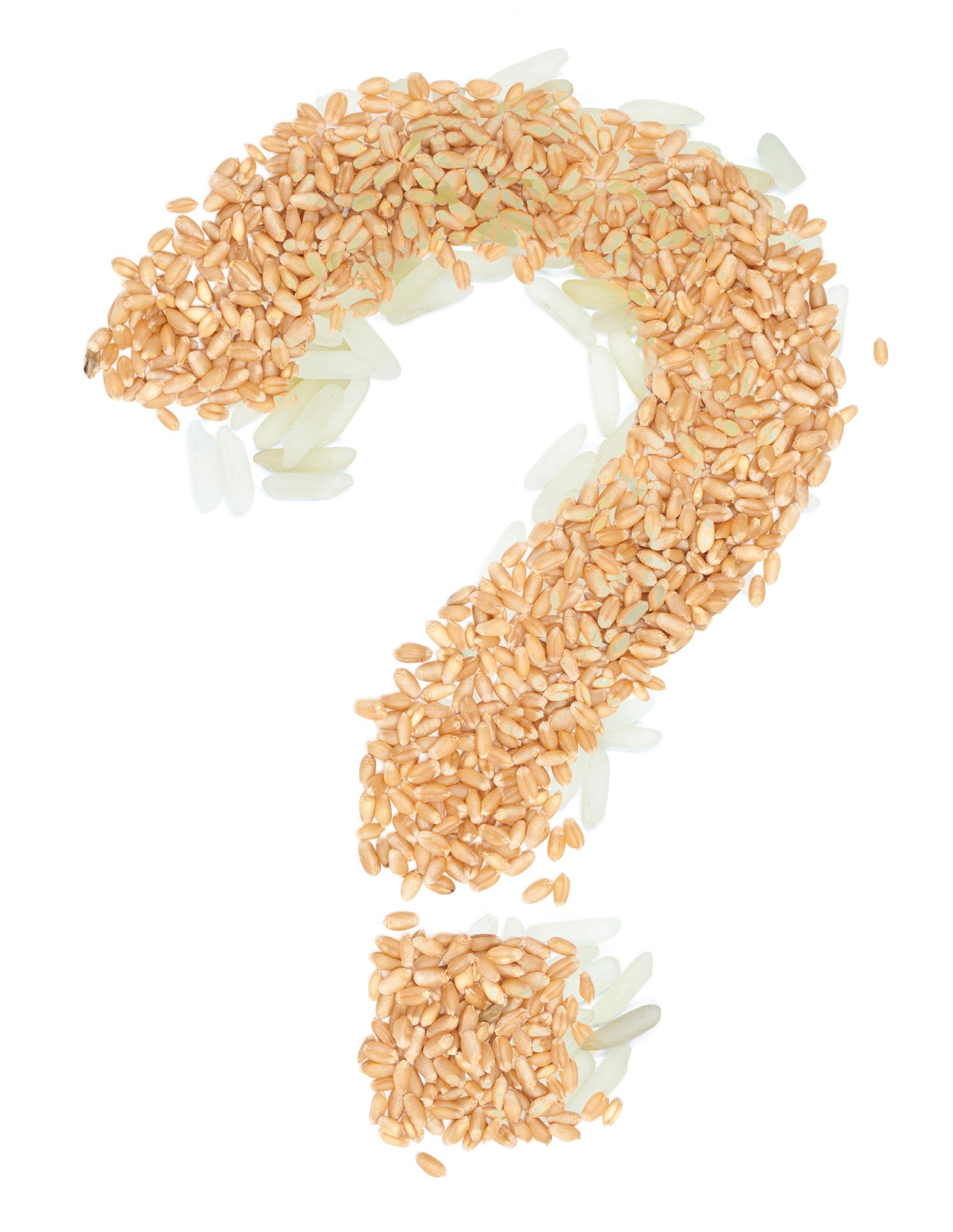
For the past 50 years, the country has introduced high-yielding rice and wheat varieties at breakneck speed to achieve food security. A study led by scientists with the Indian Council of Agricultural Research (ICAR) has for the first time looked at the food value of these modern-bred grains, and delivers some dire warnings: the food grains that we eat have lost food value; instead they are accumulating toxins. Worse, by 2040, the grains will become so "impoverished" that they would worsen the country's growing burden of non-communicable diseases.

YOU ARE what you eat, or, rather, what you grow to eat. Imagine an entire population eating something that has little food value-something that is devoid of nutrients such as a host of vitamins which are essential for growth, disease prevention and maintaining overall health and well-being. "This is the future we are hurtling towards," says Sovan Debnath, a soil scientist at the Indian Council of Agricultural Research (ICAR) under the Union Ministry of Agriculture and Farmers Welfare.
In November 2023, Debnath and 11 other scientists from ICAR, Bidhan Chandra Krishi Viswavidyalayaanother premier agricultural research institute in West Bengal-and the National Institute of Nutrition in Telangana published a seminal study that says the Green Revolution has helped India achieve food security, but by compromising its nutritional security. In a first, the study reports that breeding programmes focused on developing high-yielding varieties have altered the nutrient profiles of rice and wheat, two major staple food grains of India, to the extent that their dietary significance to the population has diminished. While chasing yield, the plant genetics have been tinkered with so much that they no longer do the fundamental job of delivering nutrition from the soil to the grains.

Diese Geschichte stammt aus der January 16, 2024-Ausgabe von Down To Earth.
Abonnieren Sie Magzter GOLD, um auf Tausende kuratierter Premium-Geschichten und über 9.000 Zeitschriften und Zeitungen zuzugreifen.
Sie sind bereits Abonnent? Anmelden
WEITERE GESCHICHTEN VON Down To Earth

Down To Earth
Bitter pill
THE WEB SERIES PHARMA EXPOSES HARSH TRUTHS OF THE PHARMACEUTICAL INDUSTRY, WHERE PROFIT OFTEN BECOMES MORE IMPORTANT THAN HUMAN HEALTH

3 mins
January 16, 2026

Down To Earth
CHAOS IN-DEFINITION
The Aravallis are perhaps India's most litigated hill range. More than 4,000 court cases have failed to arrest their destruction. The latest dispute concerns a narrow legal definition of this geological antiquity, much of which has been obliterated by mining and urban sprawl. While the Supreme Court has stayed its own judgement accepting that definition, it must see the underlying reality and help reconcile development and national security with conservation.
19 mins
January 16, 2026

Down To Earth
BITS: INDIA
Indore has recorded 16 deaths and more than 1,600 hospitalisations between December 24 and January 6.
1 min
January 16, 2026

Down To Earth
GUARANTEE EXPIRES
India's rural employment guarantee law is replaced with a centrally controlled, budget-capped scheme. Is this an attack on the right to work?
3 mins
January 16, 2026

Down To Earth
BLOOM OR BANE
Surge of vibrant pink water lilies in Kuttanad, Kerala, provides socio-economic benefits, but the plant's ecological impacts must be understood
4 mins
January 16, 2026
Down To Earth
INVISIBLE EMPLOYER
Field and academic evidence shows sharp falls in casual agricultural employment at places where groundwater access declines
3 mins
January 16, 2026

Down To Earth
Schemed for erasure
Does the VB-G RAMG Act address structural weaknesses long observed in MGNREGA's implementation?
10 mins
January 16, 2026

Down To Earth
School of change
An open school in Panagar, Madhya Pradesh, aims to protect children of tribal settlements from falling into the trap of addiction
2 mins
January 16, 2026

Down To Earth
PULSE OF RESILIENCE
As a climate-ready crop, cowpea shows potential for widespread use in India
3 mins
January 16, 2026
Down To Earth
BITS GLOBAL
Britain recorded its hottest and sunniest year ever in 2025, the country's meteorological office said on January 2.
1 min
January 16, 2026
Listen
Translate
Change font size