
Vuélvete ilimitado con Magzter GOLD
Obtenga acceso ilimitado a más de 9000 revistas, periódicos e historias Premium por solo
Intentar ORO - Gratis
Dirty Little Secrets
Scientific American
|February 2026
Extremophile molds are invading art museums and devouring their collections. Stigma and climate change have fueled their spread
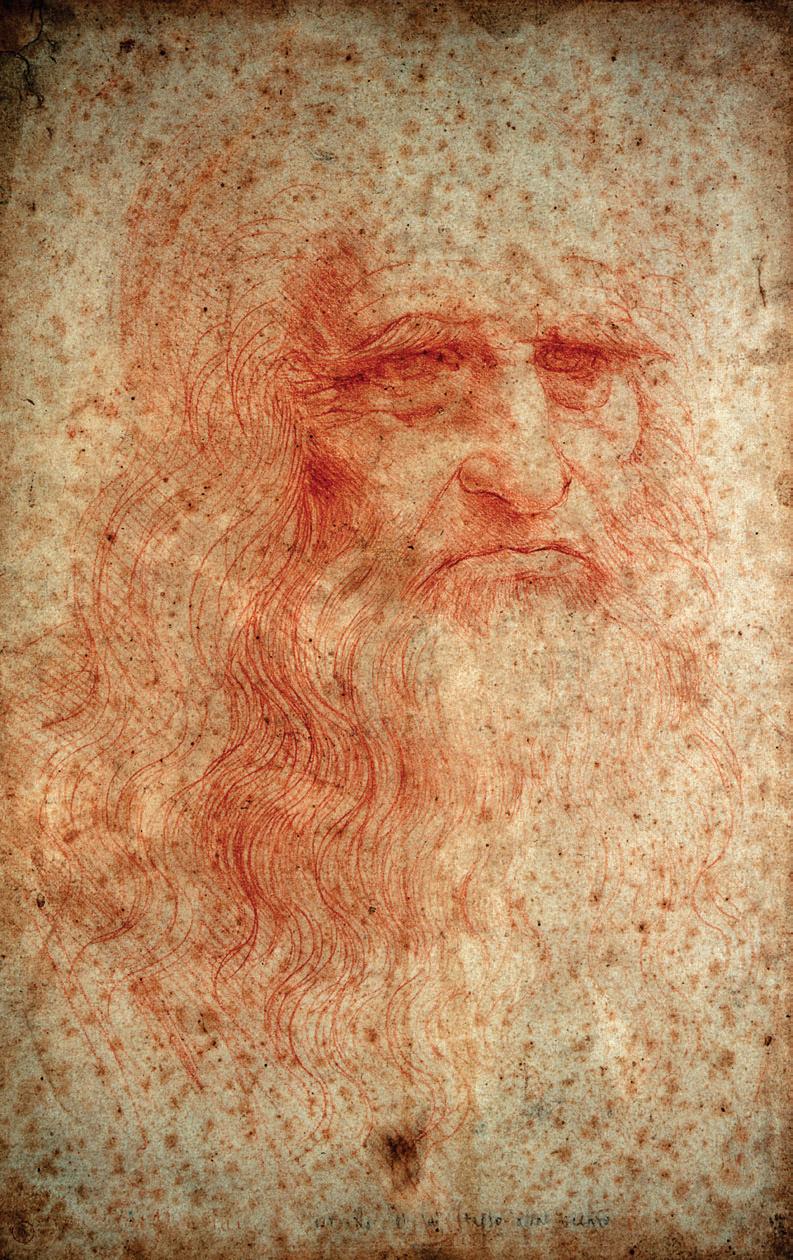
Rust-colored stains have been present on Leonardo da Vinci's most famous self-portrait, drawn in red chalk on paper, since at least the 1950s. Researchers have determined that the culprit is the xerophilic fungus Aspergillus halophilicus.
LAST SUMMER I POLLED THE GREAT ART HOUSES OF EUROPE with a seemingly straightforward question: Had they had any recent experiences with mold in their collections?Mold is a perennial scourge in museums that can disfigure and destroy art and artifacts.
To keep this microbial foe in check, institutions follow protocols designed to deter the familiar fungi that thrive in humid settings. But it seems a new front has opened in this long-standing battle. I'd recently heard rumblings that curators in my then home base of Denmark have been wrestling with perplexing infestations that seem to defy the normal rules of engagement. I wondered how pervasive the problem might be.
My survey did not make me popular. Some museums responded quickly—too quickly, perhaps, to have checked with their curators. Ten minutes after receiving my inquiry, the press office at the Uffizi Gallery in Florence assured me unequivocally that there was no mold at the Uffizi. The museum declined to connect me with the curatorial team or restoration department. Many institutions—the Louvre, the British Museum, the Musée d’Orsay—didn’t respond to my calls and emails at all. I eventually came to suspect the Vatican Museum had blocked my number.
Frustrating though it was, this is the reception I expected. Asking a curator if their museum has problems with mold is like asking if they have a sexually transmitted disease. It’s contagious, it’s taboo, and it carries the inevitable implication someone has done something naughty.

Esta historia es de la edición February 2026 de Scientific American.
Suscríbete a Magzter GOLD para acceder a miles de historias premium seleccionadas y a más de 9000 revistas y periódicos.
¿Ya eres suscriptor? Iniciar sesión
MÁS HISTORIAS DE Scientific American

Scientific American
The Business of Space Weather
A company aims to offer better forecasts based on a new solar model

7 mins
April 2026
Scientific American
Mindless Sleep
Even without brains, sea anemones and jellyfish can sleep like humans do
1 min
April 2026

Scientific American
THE KIDS ARE ALL RIGHT
Young people are doing better than you think
12 mins
April 2026

Scientific American
Something in THE WATER
Pristine alpine lakes are being choked by algal blooms. The culprit is in the air
9 mins
April 2026
Scientific American
A Dose of Prevention
New alert systems and biomarkers are spotting drug- induced kidney damage early, before irreversible harm
6 mins
April 2026

Scientific American
Life on the Edge
Kidney damage can progress for years without symptoms. The newly diagnosed cope with everything from restrictive diets to the emotional and logistical toll of dialysis
9 mins
April 2026
Scientific American
Stopping an Autoimmune Attack
IgA nephropathy, a frequent cause of kidney failure, is underdiagnosed. New treatments mean it's more important now to find those who will benefit
8 mins
April 2026
Scientific American
Mindless Sleep
Even without brains, sea anemones and jellyfish can sleep like humans do
4 mins
April 2026
Scientific American
Microbes Afloat
BACTERIA AND THE VIRUSES that infect them are perpetually at war. Their deadly clashes push both kinds of microbes to evolve new traits that meet the challenges of every environment they inhabit, from the human digestive tract to the seafloor’s hydrothermal vents— and even the harsh conditions of space.
2 mins
April 2026

Scientific American
The Strangest Bloom
Research reveals how the corpse flower came by its peculiar traits
9 mins
April 2026
Listen
Translate
Change font size