Intentar ORO - Gratis
THE KIDS ARE ALL RIGHT
Scientific American
|April 2026
Young people are doing better than you think
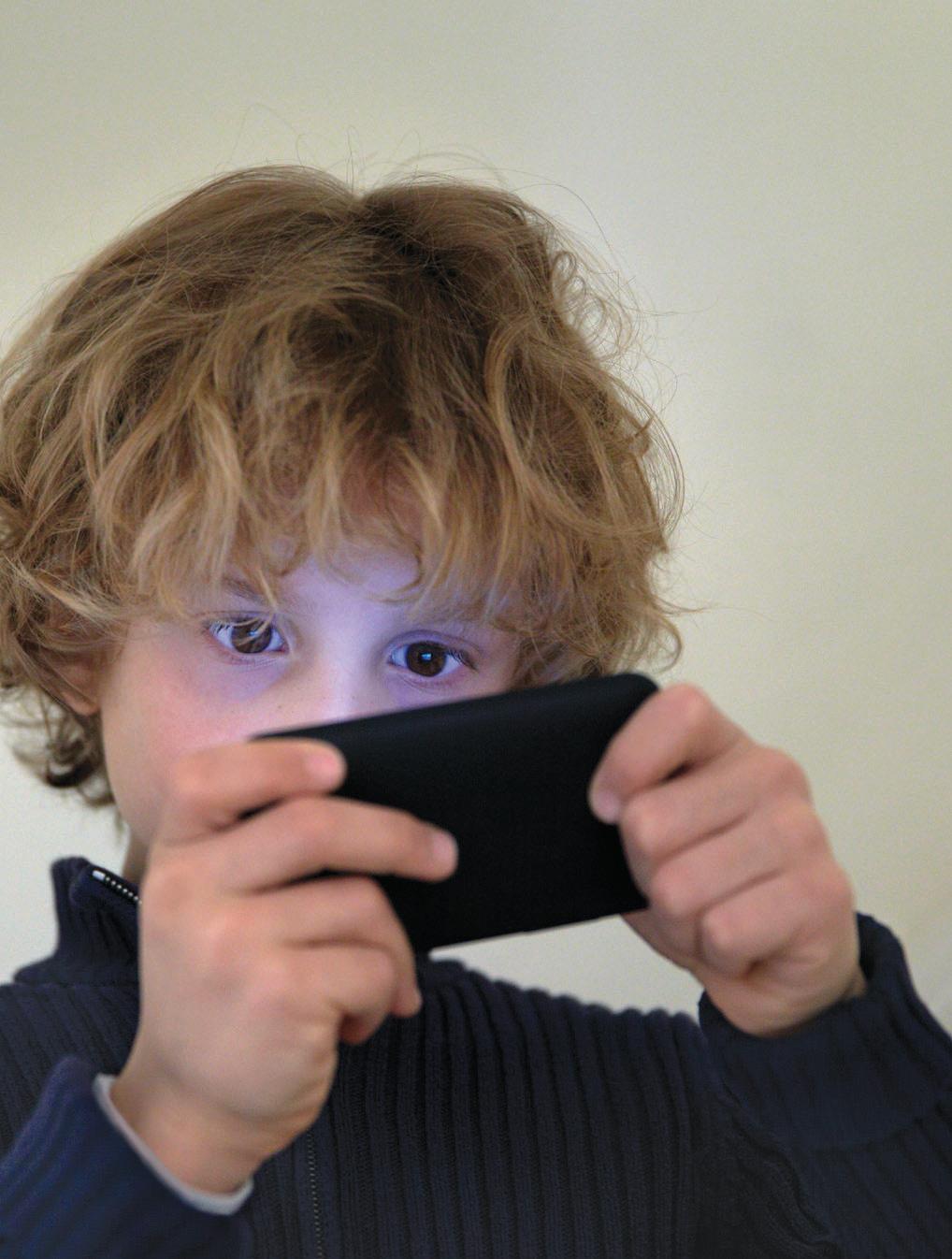
IT WAS DECEMBER 2025, AND KATIE TOBIN’S KIDS WERE FIGHTING AGAIN. This time it was because her six-year-old, Tori, wasn't sharing toys with her little sister, Sunny. Sunny retaliated as three-year-olds often do; she hit Tori in a fit of anger. Then, of course, Tori started crying.
Tobin handled the situation as she always does: by validating her kids' feelings, helping them see each other's perspectives and emphasizing limits. She brought Sunny onto her lap and explained that she knew Sunny was frustrated but that it wasn't okay to hit because hitting hurts. She also tried to help Tori understand why Sunny had hit her.
Ten minutes later Sunny calmly walked up to her big sister. “I’m sorry I hit you,” she said. “It’s okay,” Tori replied. “Just don’t do it again.”
If you were to ask most people how kids are doing these days, you'd probably get an earful of complaints and concerns. Compared with children from past generations, kids today are often portrayed as being less mentally healthy, less resilient and less empathetic. “America’s Children Are Unwell,” read a New York Times headline last November; online magazine Parents recently ran “How to Know if Your Kid Is a Narcissist—and What to Do about It.” In a 2025 Common Sense Media survey of 1,300 nationally representative parents, 61 percent said they believe kids today lag behind past generations in their morals and values, and more than half said youth today are less resilient and independent.

Esta historia es de la edición April 2026 de Scientific American.
Suscríbete a Magzter GOLD para acceder a miles de historias premium seleccionadas y a más de 9000 revistas y periódicos.
¿Ya eres suscriptor? Iniciar sesión
MÁS HISTORIAS DE Scientific American

Scientific American
The Business of Space Weather
A company aims to offer better forecasts based on a new solar model

7 mins
April 2026

Scientific American
Mindless Sleep
Even without brains, sea anemones and jellyfish can sleep like humans do
1 min
April 2026

Scientific American
THE KIDS ARE ALL RIGHT
Young people are doing better than you think
12 mins
April 2026

Scientific American
Something in THE WATER
Pristine alpine lakes are being choked by algal blooms. The culprit is in the air
9 mins
April 2026

Scientific American
A Dose of Prevention
New alert systems and biomarkers are spotting drug- induced kidney damage early, before irreversible harm
6 mins
April 2026

Scientific American
Life on the Edge
Kidney damage can progress for years without symptoms. The newly diagnosed cope with everything from restrictive diets to the emotional and logistical toll of dialysis
9 mins
April 2026

Scientific American
Stopping an Autoimmune Attack
IgA nephropathy, a frequent cause of kidney failure, is underdiagnosed. New treatments mean it's more important now to find those who will benefit
8 mins
April 2026

Scientific American
Mindless Sleep
Even without brains, sea anemones and jellyfish can sleep like humans do
4 mins
April 2026

Scientific American
Microbes Afloat
BACTERIA AND THE VIRUSES that infect them are perpetually at war. Their deadly clashes push both kinds of microbes to evolve new traits that meet the challenges of every environment they inhabit, from the human digestive tract to the seafloor’s hydrothermal vents— and even the harsh conditions of space.
2 mins
April 2026

Scientific American
The Strangest Bloom
Research reveals how the corpse flower came by its peculiar traits
9 mins
April 2026
Listen
Translate
Change font size