Intentar ORO - Gratis
Mindless Sleep
Scientific American
|April 2026
Even without brains, sea anemones and jellyfish can sleep like humans do
-
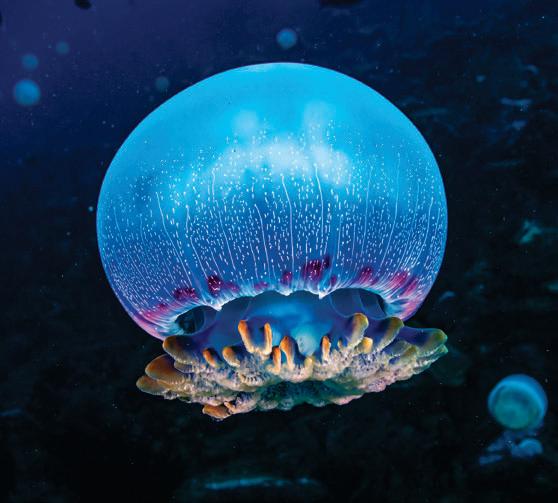
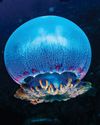
JELLYFISH AND SEA ANEMONES are curious creatures: these organisms evolved without a brain and, as scientists discovered in the past several years, don't need one to sleep.
The animals do, however, have neurons— nerve cells that appear interconnected throughout their body. A new study shows that how these animals sleep is surprisingly similar to the way humans do, suggesting that humanlike sleep might have evolved before even the most primitive brains. The findings, published in Nature Communications, also shed light on one of science's prevailing mysteries: Why do animals sleep? They add to past evidence from other animals and humans that sleep provides a “window” of downtime for maintenance on the brain and body, helping to repair DNA damage and maintain neuronal health.
The work shows this function of sleep has been conserved across evolution, Mourrain says, from animals with some of the most complex brains, such as primates, to animals that have none, such as jellyfish and other cnidarians.
The researchers studied one jellyfish and one sea anemone species, finding that the jellyfish appears to enter a sleeplike state for around eight hours a day and generally at night—a schedule many humans might recognize. The sea anemone analyzed also appears to shut down for around a third of the day.
The study animals slept more when the researchers damaged their neurons, a finding that Mourrain says gives clues to what makes us fall asleep in the first place.
—Claire Cameron high-quality DNA or there isn’t the time—or equipment—to sequence the flies’ genomes? “People in a crime lab simply do not have the resident expertise or the resources to be able to routinely conduct DNA analysis on insect evidence,” says Rabi Musah, a bioorganic chemist at Louisiana State University.

Esta historia es de la edición April 2026 de Scientific American.
Suscríbete a Magzter GOLD para acceder a miles de historias premium seleccionadas y a más de 9000 revistas y periódicos.
¿Ya eres suscriptor? Iniciar sesión
MÁS HISTORIAS DE Scientific American
Scientific American
The Business of Space Weather
A company aims to offer better forecasts based on a new solar model

7 mins
April 2026
Scientific American
Mindless Sleep
Even without brains, sea anemones and jellyfish can sleep like humans do
1 min
April 2026
Scientific American
THE KIDS ARE ALL RIGHT
Young people are doing better than you think
12 mins
April 2026
Scientific American
Something in THE WATER
Pristine alpine lakes are being choked by algal blooms. The culprit is in the air
9 mins
April 2026

Scientific American
A Dose of Prevention
New alert systems and biomarkers are spotting drug- induced kidney damage early, before irreversible harm
6 mins
April 2026

Scientific American
Life on the Edge
Kidney damage can progress for years without symptoms. The newly diagnosed cope with everything from restrictive diets to the emotional and logistical toll of dialysis
9 mins
April 2026
Scientific American
Stopping an Autoimmune Attack
IgA nephropathy, a frequent cause of kidney failure, is underdiagnosed. New treatments mean it's more important now to find those who will benefit
8 mins
April 2026
Scientific American
Mindless Sleep
Even without brains, sea anemones and jellyfish can sleep like humans do
4 mins
April 2026
Scientific American
Microbes Afloat
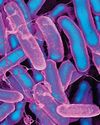
BACTERIA AND THE VIRUSES that infect them are perpetually at war. Their deadly clashes push both kinds of microbes to evolve new traits that meet the challenges of every environment they inhabit, from the human digestive tract to the seafloor’s hydrothermal vents— and even the harsh conditions of space.
2 mins
April 2026
Scientific American
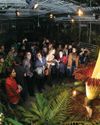
The Strangest Bloom
Research reveals how the corpse flower came by its peculiar traits
9 mins
April 2026
Listen
Translate
Change font size