Try GOLD - Free
FIX OUR FOOD
Down To Earth
|June 01, 2024
Chemical-dependent farming, lax labelling laws, rising anti-microbial resistance must top the agenda

IN APRIL-MAY, Hong Kong, Singapore and Nepal banned the import of certain Indian spices due to the presence of ethylene oxide-a carcinogenic chemical used as pesticide. Ironically, this happened at a time when the Food Safety and Standards Authority of India (FSSAI), the country's Central food regulator, increased the maximum limits for certain unregistered pesticides to be used in spices and herbs by as much as 10 times. The outpour of negative reactions was obvious. Time and again, India has failed to set up an effective system for pesticide management.
The so-called default values for unapproved pesticides undermine the pesticide registration process set up by the Central Insecticides Board and Registration Committee (CIBRC) under the Union Ministry of Agriculture and Farmers' Welfare. This means that many other pesticides that are not approved for spices or herbs for reasons such as lack of safety data, can still be used. This is wrong. Considering the limited routine surveillance in India and reluctant disclosure of food surveillance data, such use will likely go unchecked. To make it worse, the tenfold raise in maximum levels of pesticides will legitimise a much higher presence. All this for spices and herbs that are integral to Indian diets and kitchens.
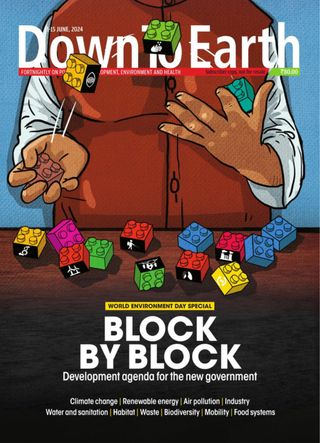

This story is from the June 01, 2024 edition of Down To Earth.
Subscribe to Magzter GOLD to access thousands of curated premium stories, and 10,000+ magazines and newspapers.
Already a subscriber? Sign In
MORE STORIES FROM Down To Earth

Down To Earth
THINK TWICE BEFORE FELLING SAL TREES
Many trees considered to be affected by sal borer in the 1990s are still alive today

1 mins
February 16, 2026

Down To Earth
EDGE OF SURVIVAL
Caste divides deny marginalised communities land, resources and essential aid, leaving them more vulnerable to climate disasters
6 mins
February 16, 2026

Down To Earth
A WISH LIST?
Union Budget for 2026-27 conveys the impression of a roll-call of intentions and ambitious proposals, with little detail on their formulation
6 mins
February 16, 2026
Down To Earth
Break down the gender wall
THE RULING National Democratic Alliance (NDA) government has been heavily invested in the goal to make India a developed economy by 2047.
2 mins
February 16, 2026

Down To Earth
MENSTRUAL HEALTH, NOW A FUNDAMENTAL RIGHT
In a landmark judgement, the Supreme Court has recognised menstrual health and hygiene as a fundamental right under Article 21 of the Constitution of India, which guarantees the right to life and dignity.
8 mins
February 16, 2026

Down To Earth
Of devolution and new disasters
The 16th Finance Commission pushes for changes in view of new fiscal and climatic conditions
11 mins
February 16, 2026
Down To Earth
Rising risks of plastics
NEGATIVE IMPACTS on human health due to emissions linked to the plastic lifecycle could double by 2040, according to a study published in The Lancet Planetary Health in January.
1 min
February 16, 2026

Down To Earth
GAP BETWEEN EPIDEMICS NARROWING
A watershed-based and landscape-level approach is needed to address forest degradation
2 mins
February 16, 2026

Down To Earth
WAITING TO STRIKE
Sal heartwood borer is considered the biggest threat to forestry in India, especially to the sal tree, where it lives and breeds.
11 mins
February 16, 2026
Down To Earth
A SPRING DELIGHT
Mustard flowers are not meant only for the eyes. Invite them to your plate once in a while
3 mins
February 16, 2026
Listen
Translate
Change font size