Denemek ALTIN - Özgür
FIX OUR FOOD
Down To Earth
|June 01, 2024
Chemical-dependent farming, lax labelling laws, rising anti-microbial resistance must top the agenda

IN APRIL-MAY, Hong Kong, Singapore and Nepal banned the import of certain Indian spices due to the presence of ethylene oxide-a carcinogenic chemical used as pesticide. Ironically, this happened at a time when the Food Safety and Standards Authority of India (FSSAI), the country's Central food regulator, increased the maximum limits for certain unregistered pesticides to be used in spices and herbs by as much as 10 times. The outpour of negative reactions was obvious. Time and again, India has failed to set up an effective system for pesticide management.
The so-called default values for unapproved pesticides undermine the pesticide registration process set up by the Central Insecticides Board and Registration Committee (CIBRC) under the Union Ministry of Agriculture and Farmers' Welfare. This means that many other pesticides that are not approved for spices or herbs for reasons such as lack of safety data, can still be used. This is wrong. Considering the limited routine surveillance in India and reluctant disclosure of food surveillance data, such use will likely go unchecked. To make it worse, the tenfold raise in maximum levels of pesticides will legitimise a much higher presence. All this for spices and herbs that are integral to Indian diets and kitchens.


Bu hikaye Down To Earth dergisinin June 01, 2024 baskısından alınmıştır.
Binlerce özenle seçilmiş premium hikayeye ve 9.000'den fazla dergi ve gazeteye erişmek için Magzter GOLD'a abone olun.
Zaten abone misiniz? Oturum aç
Down To Earth'den DAHA FAZLA HİKAYE

Down To Earth
CONSERVED BY COMMUNITY
How a desire to make snow leopard tourism sustainable helped a small Ladakhi settlement became the region's first Community Conserved Area

4 mins
May 16, 2026

Down To Earth
An 'open' and 'shut' case of Al's risky trajectory
Elon Musk's lawsuit against Sam Altman, OpenAl, Microsoft is crucially about open-source versus closed technology for corporate profit
4 mins
May 16, 2026
Down To Earth
Burden of transition
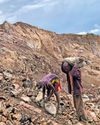
Clean energy transition is once again shifting environmental, human costs to the Global South, finds a UN university investigation
4 mins
May 16, 2026
Down To Earth
One step closer
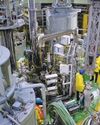
India attains criticality in fast breeder reactor technology, reaching the second stage of the country's three- stage nuclear programme towards energy security
4 mins
May 16, 2026

Down To Earth
ZESTY SEEDS
Coriander seeds are a traditional antidote to summer heat
3 mins
May 16, 2026

Down To Earth
Sahyadri gets a bird village
Residents of Maharashtra's Pisavare village have embarked on a mission to protect birds in their vicinity through simple practices such as documenting species and building nests
2 mins
May 16, 2026

Down To Earth
CONFLICT IN THE BACKYARD
Across India, farmers are abandoning their fields as conflict with wild and stray animals intensifies. Conservation policy must move beyond protection alone to restore a workable coexistence between people and animals.
18 mins
May 16, 2026

Down To Earth
Capital punishment
Adequate compensation and proper rehabilitation remain a mirage for many displaced by the construction of Chhattisgarh's new capital, Nava Raipur, even two decades after the project began
3 mins
May 16, 2026
Down To Earth
Migrant workers are assets
MIGRATION HAS turned into a potent tool of political warfare across the world. For over a decade, domestic electoral politics across regions, from Europe and North America to Asia and Africa, have fuelled anti-immigration sentiments. This is also increasingly fuelling anti-immigrant vigilantism, as seen widely across Europe in 2015-16, coinciding with the refugee crisis.
2 mins
May 16, 2026

Down To Earth
Petri dish to plate
Synthetic meat production has seen a rise globally, even as environmental benefits of growing foods in laboratory remain debatable
10 mins
May 16, 2026
Listen
Translate
Change font size