Try GOLD - Free
FAKE FABRIC
Down To Earth
|January 01, 2023
The moment you consider polyester just a fabric, it escapes attention as a pollutant. The fact is that polyester is a form of plastic and the second biggest by-product of petrochemicals. Yet only a few countries have regulations to manage the plastic fibre. Time India framed laws to regulate the textile industry and brought it under the extended producer responsibility regime
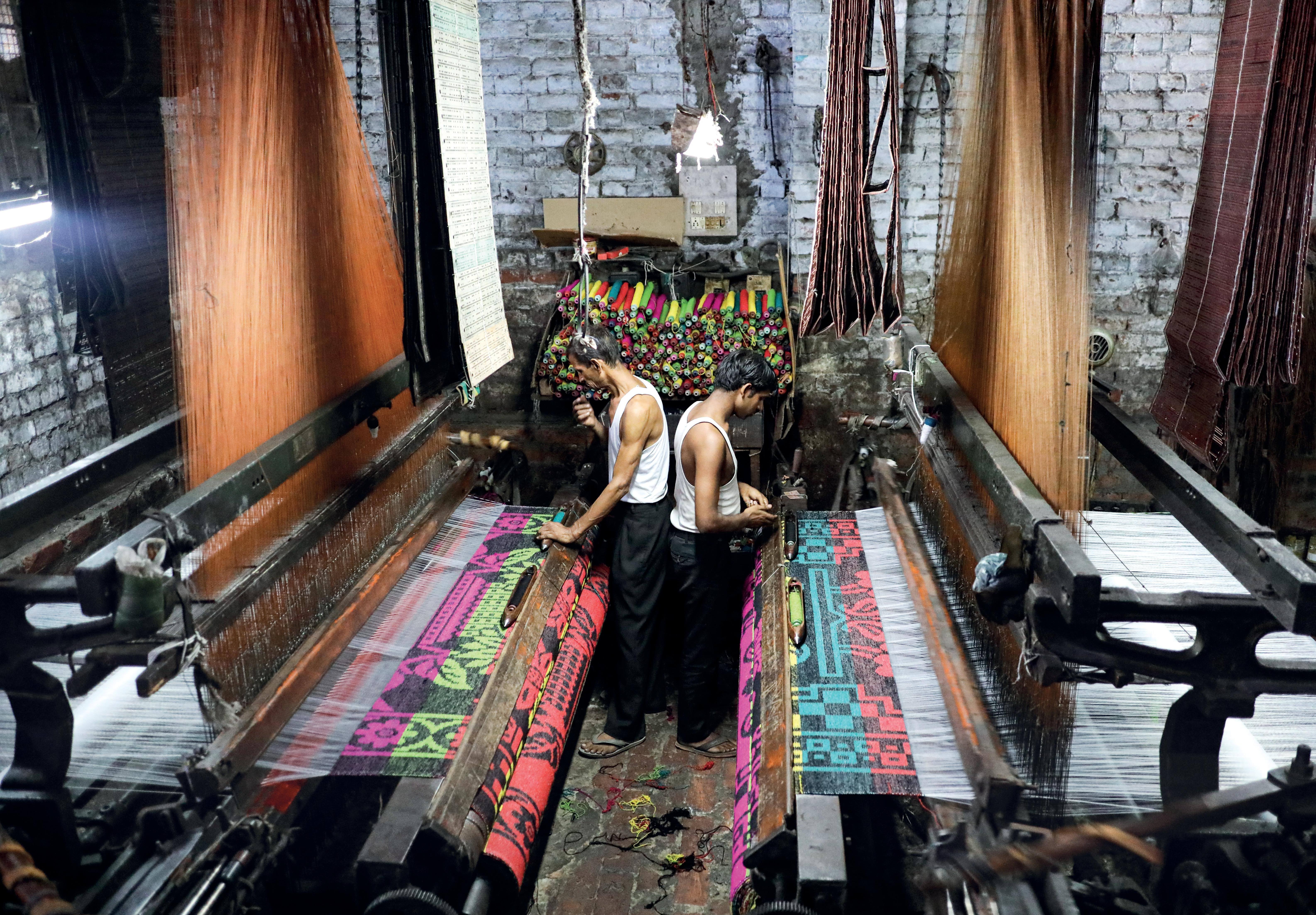
BELIEVE IT or not, most of our clothes today have plastic in them. From the warm, shiny fleece jackets we wear to brave the winter chill to body-hugging workout clothing to stretchy and comfortable lowers, all the apparel is either completely made out of plastic fibres such as polyester, nylon and acrylic, or from the blending of natural fibres such as cotton and wool with the synthetic material.
About 60 per cent of material made into clothing is plastic, which includes polyester, acrylic and nylon textiles, says the UN Environment Programme (UNEP). The global production of polyester, the most commonly used plastic fibre, has increased by nearly 900 per cent between 1980 and 2014, as per November 2022 report released by US-based non-profit Fibershed. There is a reason the textile industry is so fond of polyester. Despite being tough and durable, it creates new possibilities of fashion. Clothes made out of polyester hold their shape well, are lighter, wrinkle-free and resistant to shrinking and colour fading. But perhaps the most important reason for its popularity is that garments made from synthetic fibres are substantially cheaper than natural fabrics. In April 2019, the cost of polyester yarn in India was ₹105 a kg, while cotton yarn was more than double at ₹213, as per the latest data released by the Union Ministry of Textiles. While on the face of it, clothes made of plastics appear harmless, their infiltration into the textile industry is a cause for concern. These synthetic fabrics have significant environmental impact during production, use and disposal.

This story is from the January 01, 2023 edition of Down To Earth.
Subscribe to Magzter GOLD to access thousands of curated premium stories, and 10,000+ magazines and newspapers.
Already a subscriber? Sign In
MORE STORIES FROM Down To Earth

Down To Earth
BEYOND COLLATERAL DAMAGE
Recent geopolitical conflicts are urging a reconsideration of what constitutes environmental harm in war and the limits of existing legal frameworks

3 mins
April 01, 2026

Down To Earth
Masterstroke
Residents of a small Kerala town reject an inadequate state-led development blueprint and create their own master plan that prioritises protection of historic water systems and urban commons
4 mins
April 01, 2026

Down To Earth
Rethinking E20
It is pertinent to explore potential of ethanol as high-value industrial feedstock
4 mins
April 01, 2026
Down To Earth
Food in the age of climate change
WHEN WE eat, we contribute to climate change. But food is also about livelihoods, about nutrition and about nature.
3 mins
April 01, 2026

Down To Earth
FADING WINTER
India's winters are warming, becoming shorter, shifting and spilling beyond their traditional bounds. The consequences are already evident in meltwater availability, forest-fire intensity and changes in flowering cycles and insect behaviour.
20 mins
April 01, 2026

Down To Earth
War on Iran strikes India's pharmaceuticals sector
Shortages of critical raw materials and rising input costs for the drug industry will have global consequences
4 mins
April 01, 2026

Down To Earth
POWER IN AN AGE OF INSECURITY
Energy transition is no longer solely about emission reduction but also about energy security
3 mins
April 01, 2026
Down To Earth
Re-discovery of fuelwood
THE WEST Asia conflict has made visible a multi-billion dollar energy market in India.
2 mins
April 01, 2026

Down To Earth
A CASE THAT RESHAPED INDIA'S ENVIRONMENT
The case of MC Mehta v Union of India stands as proof that a proactive judiciary can accelerate action even when the executive drags its feet
4 mins
April 01, 2026
Down To Earth
FOREVER DEPENDENT
India depends on global fertiliser supply chains for 70 per cent of its needs, leaving its food security exposed to geopolitical disruptions
6 mins
April 01, 2026
Translate
Change font size