試す 金 - 無料
FAKE FABRIC
Down To Earth
|January 01, 2023
The moment you consider polyester just a fabric, it escapes attention as a pollutant. The fact is that polyester is a form of plastic and the second biggest by-product of petrochemicals. Yet only a few countries have regulations to manage the plastic fibre. Time India framed laws to regulate the textile industry and brought it under the extended producer responsibility regime
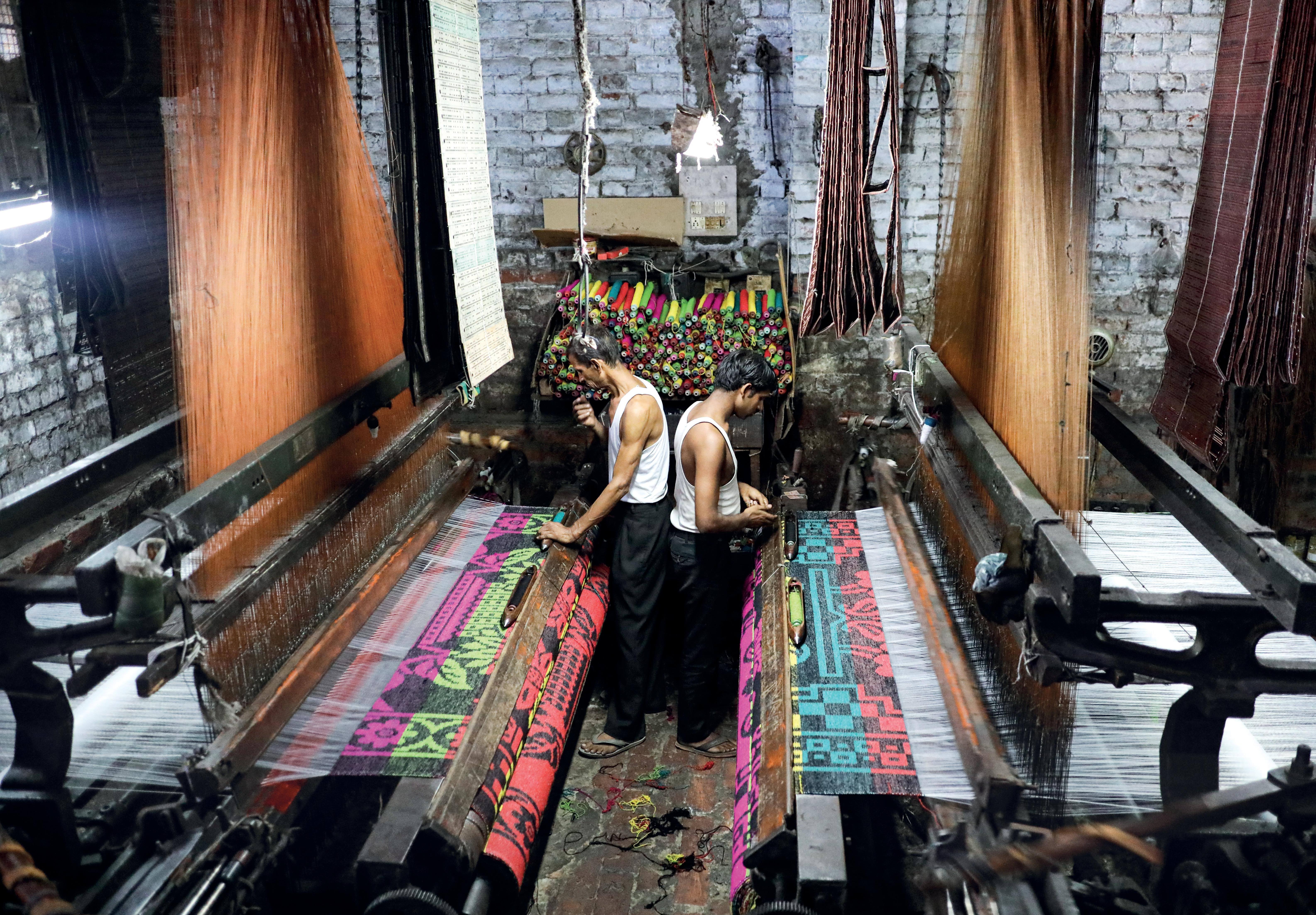
BELIEVE IT or not, most of our clothes today have plastic in them. From the warm, shiny fleece jackets we wear to brave the winter chill to body-hugging workout clothing to stretchy and comfortable lowers, all the apparel is either completely made out of plastic fibres such as polyester, nylon and acrylic, or from the blending of natural fibres such as cotton and wool with the synthetic material.
About 60 per cent of material made into clothing is plastic, which includes polyester, acrylic and nylon textiles, says the UN Environment Programme (UNEP). The global production of polyester, the most commonly used plastic fibre, has increased by nearly 900 per cent between 1980 and 2014, as per November 2022 report released by US-based non-profit Fibershed. There is a reason the textile industry is so fond of polyester. Despite being tough and durable, it creates new possibilities of fashion. Clothes made out of polyester hold their shape well, are lighter, wrinkle-free and resistant to shrinking and colour fading. But perhaps the most important reason for its popularity is that garments made from synthetic fibres are substantially cheaper than natural fabrics. In April 2019, the cost of polyester yarn in India was ₹105 a kg, while cotton yarn was more than double at ₹213, as per the latest data released by the Union Ministry of Textiles. While on the face of it, clothes made of plastics appear harmless, their infiltration into the textile industry is a cause for concern. These synthetic fabrics have significant environmental impact during production, use and disposal.

このストーリーは、Down To Earth の January 01, 2023 版からのものです。
Magzter GOLD を購読すると、厳選された何千ものプレミアム記事や、10,000 以上の雑誌や新聞にアクセスできます。
すでに購読者ですか? サインイン
Down To Earth からのその他のストーリー

Down To Earth
MAJESTIC SARUS STAGES COMEBACK
Involvement of farmers in conservation helps the sarus crane population soar in eastern Uttar Pradesh over the past decade

5 mins
June 16, 2026

Down To Earth
Global resistance to AI data centres hardens
India must learn how to regulate environmentally disastrous data centres that guzzle more water and power than entire nations
4 mins
June 16, 2026

Down To Earth
SUMMER SMOG
Ground-level ozone is one of the national capital's least appreciated public health threat
1 mins
June 16, 2026

Down To Earth
A FOREST IN WAIT
For five decades, Abujhmad in Chhattisgarh was closed to the country. Now, as the region opens up, ANIL ASHWANI SHARMA travels to villages in its dense forests to see how isolation has impacted the people and development
6 mins
June 16, 2026

Down To Earth
DON'T WASTE THE FUTURE
Policymakers may need to focus less on expanding programmes and more on improving their effectiveness and reach, suggests the latest NFHS-6 data
3 mins
June 16, 2026
Down To Earth
NEED A FOREST TRIBUNAL
A tribunal will provide people a dedicated independent forum where they will have a statutory right to approach
2 mins
June 16, 2026
Down To Earth
Moment or movement
ONE DEFINITION of the word metamorphosis in the dictionary is “a striking alteration in appearance, character, or circumstances”.
2 mins
June 16, 2026

Down To Earth
El Niño, amplified
As a possible super El Niño looms in 2026, scientists warn of devastations that may extend into 2027
6 mins
June 16, 2026

Down To Earth
A mindless denial
District level bodies are increasingly refusing tribal population's rights over resources guaranteed by the forest rights Act
5 mins
June 16, 2026

Down To Earth
TOOR TOUR
What makes pigeon pea so ubiquitous across cuisines in India
4 mins
June 16, 2026
Translate
Change font size