
Go Unlimited with Magzter GOLD
Get unlimited access to 10,000+ magazines, newspapers and Premium stories for just
Slow worm wonder
BBC Countryfile Magazine
|August 2023
We should cherish the little legless lizard in our gardens, as much for their extraordinary lives as for the help they offer in removing pests,

The slow worm is curiously named. While it might not be the swiftest of movers, Anguis fragilis is no slouch, and no more a 'worm' than it is a snake, for which it is often mistaken. Instead, it is a species of lizard that has evolved without legs.
A fondness for burrowing into loose soil and nosing through dense cover or long grasses has made the use of legs redundant, but the presence of bony plates called osteoderms beneath the scales hinders their ability to slither with great speed or ease. Instead, they rely on camouflage or, more usually, the use of cover. Slow worms are cold-blooded but rarely bask in direct sunlight, preferring to hide beneath logs or rocks or within rotting vegetation where they take warmth from their surroundings.
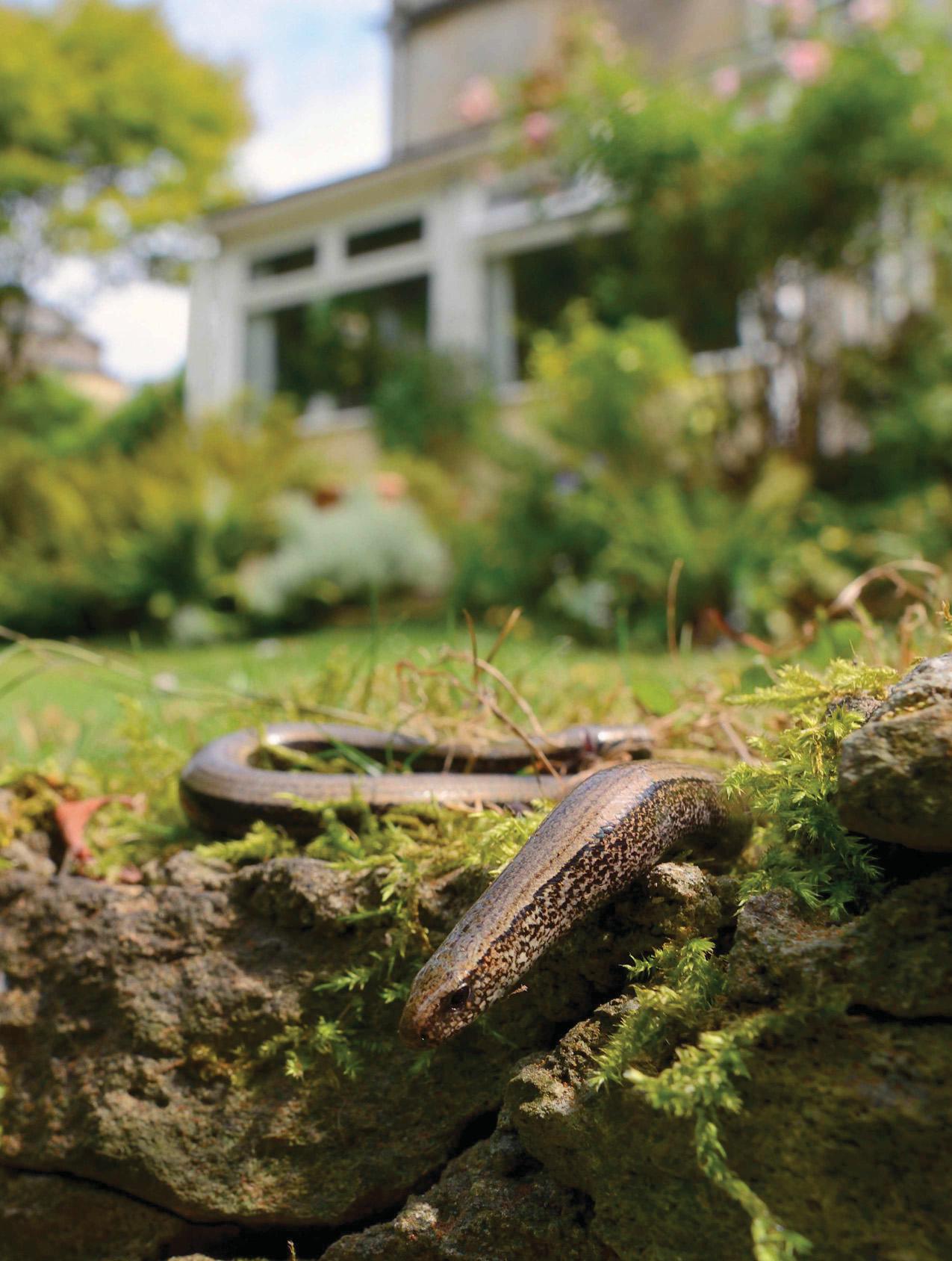
Despite their rather secretive existence, slow worms are probably the most frequently encountered British reptile. They are often found in gardens, particularly by compost heaps or leaf piles, and a tendency to stay still if discovered enables us to get a closeup view. Females are normally darker, with dark stripes along the sides, whereas the paler males develop blue spots that are vivid in spring when they are looking to breed. Both sexes grow to a length of around 50cm and the scales are smooth and dry to the touch.
Whereas a snake's eye is fixed open, with the covering a part of the skin, a slow worm, being a lizard, has eyelids and is able to blink. The eyes themselves are small, a likely reason for the alternative name of 'blind worm', and while they function perfectly well, the slow worm is also reliant upon its dark, notched tongue as a sensory organ. It can 'taste' airborne chemicals to identify the presence of predators, prey and potential mates.

This story is from the August 2023 edition of BBC Countryfile Magazine.
Subscribe to Magzter GOLD to access thousands of curated premium stories, and 10,000+ magazines and newspapers.
Already a subscriber? Sign In
MORE STORIES FROM BBC Countryfile Magazine

BBC Countryfile Magazine
Manors and meadows
This December marks 250 years since Jane Austen's birth. To celebrate, Jack Watkins ambles around Chawton, where the writer penned novels that changed fiction forever

7 mins
December 2025

BBC Countryfile Magazine
TOP 10 ROYAL RESIDENCES
Castles, palaces and stately homes open a window into the history and private lives of the British monarchy
9 mins
December 2025

BBC Countryfile Magazine
Your countryside
HAVE YOUR SAY ON RURAL ISSUES
1 mins
December 2025

BBC Countryfile Magazine
Community spirit
Rural pubs across Britain are closing at an alarming rate - but local people are fighting back to save inns that have been at the hearts of their villages for centuries. Vivienne Crow orders a pint
4 mins
December 2025
BBC Countryfile Magazine
Gift ideas for nature lovers
Find inspirational and thoughtful presents for all the family in our pick of top outdoor gear and a round-up of this year's best nature and wildlife books
2 mins
December 2025
BBC Countryfile Magazine
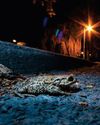
Toad numbers are in freefall.It's in our power to save them
After becoming engaged at Christmas in 1998, my new fiancé and I were confronted by an enormous toad on the way to meet the vicar.
2 mins
December 2025
BBC Countryfile Magazine
Conquer fell running
Infamously tough yet famously friendly, the sport of fell running will take your fitness to new heights amid the wildest landscapes. Here's our beginners' guide
3 mins
December 2025
BBC Countryfile Magazine
A glorious haunting
They lived in the same village and shared the same dreams – just 60 years apart.
6 mins
December 2025

BBC Countryfile Magazine
The big questions answered
Across the UK, but particularly in the southeast of England, giant and featureless buildings are springing up.
13 mins
December 2025
BBC Countryfile Magazine
Away in a manger
While most of us down tools and pick up the mince pies, a farmer's work doesn't stop for the festive break.
5 mins
December 2025
Translate
Change font size