Prøve GULL - Gratis
Slow worm wonder
BBC Countryfile Magazine
|August 2023
We should cherish the little legless lizard in our gardens, as much for their extraordinary lives as for the help they offer in removing pests,

The slow worm is curiously named. While it might not be the swiftest of movers, Anguis fragilis is no slouch, and no more a 'worm' than it is a snake, for which it is often mistaken. Instead, it is a species of lizard that has evolved without legs.
A fondness for burrowing into loose soil and nosing through dense cover or long grasses has made the use of legs redundant, but the presence of bony plates called osteoderms beneath the scales hinders their ability to slither with great speed or ease. Instead, they rely on camouflage or, more usually, the use of cover. Slow worms are cold-blooded but rarely bask in direct sunlight, preferring to hide beneath logs or rocks or within rotting vegetation where they take warmth from their surroundings.
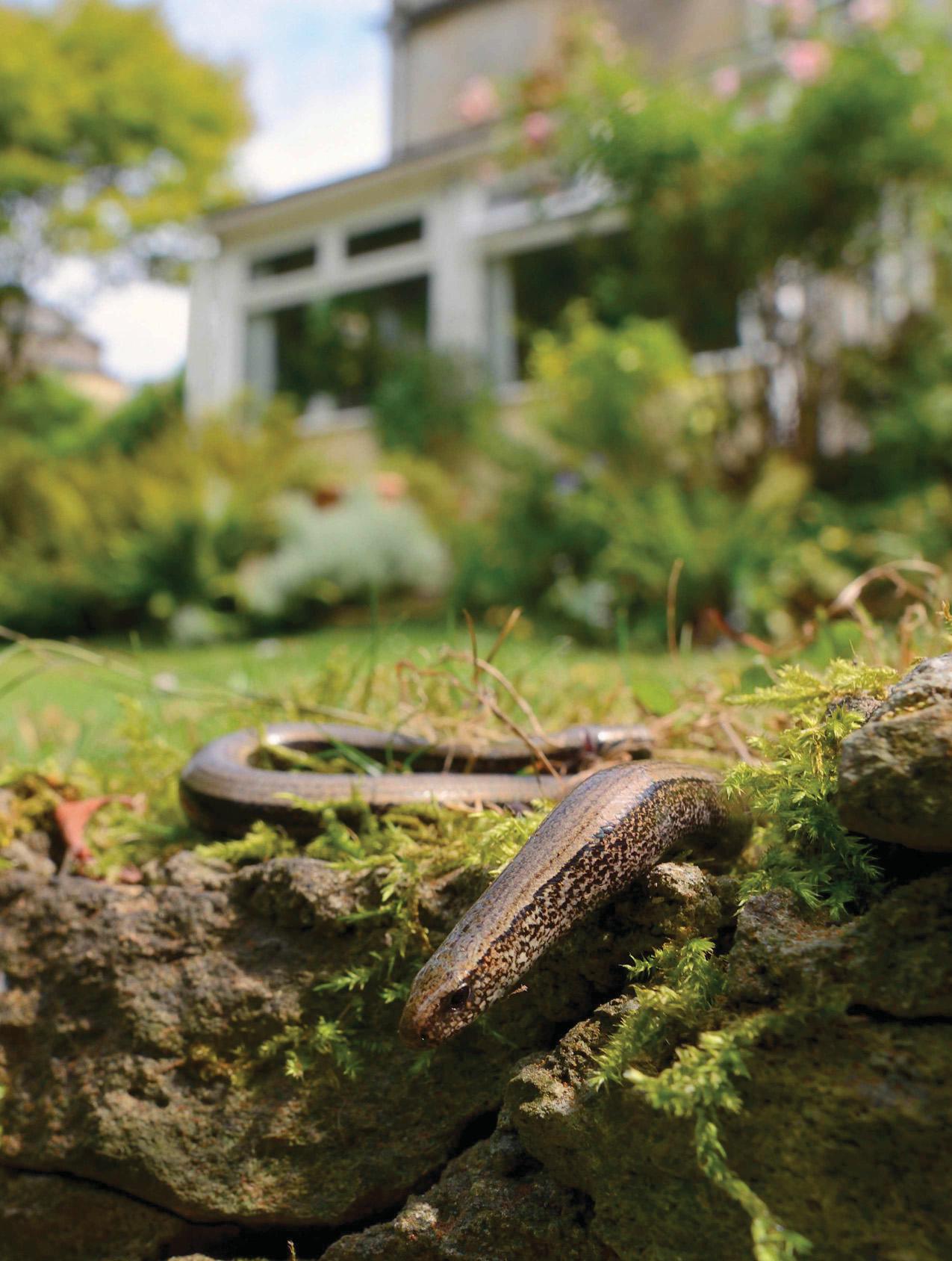
Despite their rather secretive existence, slow worms are probably the most frequently encountered British reptile. They are often found in gardens, particularly by compost heaps or leaf piles, and a tendency to stay still if discovered enables us to get a closeup view. Females are normally darker, with dark stripes along the sides, whereas the paler males develop blue spots that are vivid in spring when they are looking to breed. Both sexes grow to a length of around 50cm and the scales are smooth and dry to the touch.
Whereas a snake's eye is fixed open, with the covering a part of the skin, a slow worm, being a lizard, has eyelids and is able to blink. The eyes themselves are small, a likely reason for the alternative name of 'blind worm', and while they function perfectly well, the slow worm is also reliant upon its dark, notched tongue as a sensory organ. It can 'taste' airborne chemicals to identify the presence of predators, prey and potential mates.

Denne historien er fra August 2023-utgaven av BBC Countryfile Magazine.
Abonner på Magzter GOLD for å få tilgang til tusenvis av kuraterte premiumhistorier og over 9000 magasiner og aviser.
Allerede abonnent? Logg på
FLERE HISTORIER FRA BBC Countryfile Magazine
BBC Countryfile Magazine
Where can I see common seals in Britain?
Many years ago, on an untypically calm and warm afternoon during a family holiday in Scotland, I was swimming off the coast of Eigg, one of the Small Isles.

2 mins
June 2026
BBC Countryfile Magazine
Deep IMPACT
From Atlantis to Jacques Cousteau and James Bond, the idea of underwater living has obsessed humans for centuries. Now, a pioneering project in a flooded quarry is bringing the dream closer to reality.
5 mins
June 2026
BBC Countryfile Magazine
HAVE YOUR SAY ON RURAL ISSUES
HAVE YOUR SAY ON RURAL ISSUES
2 mins
June 2026
BBC Countryfile Magazine
The Dyfi Valley
Near Wales's west coast exists a land where myth meets modernity, ospreys swoop and independent spirit shines. Semele Assinder takes us on a tour of the UNESCO Dyfi Valley Biosphere
6 mins
June 2026
BBC Countryfile Magazine
Europe’s top spa towns
Long patronised by royalty and aristocrats in search of a cure, many spa towns have retained their elegance and quirky old-fashioned ambience. Here are Ian Bradley's magical seven
2 mins
June 2026
BBC Countryfile Magazine
RESEARCH REVEALS A BUILD OLDER THAN STONEHENGE
A remarkable discovery sheds new light on ancient artificial islands from the Early Bronze Age
2 mins
June 2026

BBC Countryfile Magazine
This unsung, unpaid army of workers is vital for rural Britain
There is one word to describe the powerful force that today and every day cherishes and protects the British countryside and its rich diversity of fauna and flora, casting a metaphorical safety net across the landscape.
3 mins
June 2026
BBC Countryfile Magazine
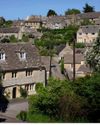
Who was the Bisley Boy?
Buckle up, conspiracy theorists: you're going to enjoy this.
2 mins
June 2026
BBC Countryfile Magazine
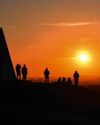
Where should I watch the summer solstice?
One of the orderly, planned ‘new towns’ designated in the late 1960s, Milton Keynes might seem a world away from the beliefs and culture of the British Bronze Age.
2 mins
June 2026
BBC Countryfile Magazine
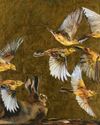
Morris and Macfarlane’s book connects our hearts to the wild world of birds
If anyone asks me where my love of nature began, I always mention books.
2 mins
June 2026
Translate
Change font size