Try GOLD - Free
MONTH by MONTH
Hobby Farms
|Beekeeping 101
Two beekeepers walk you through a monthly schedule of easy-to-follow beekeeping tasks according to region.
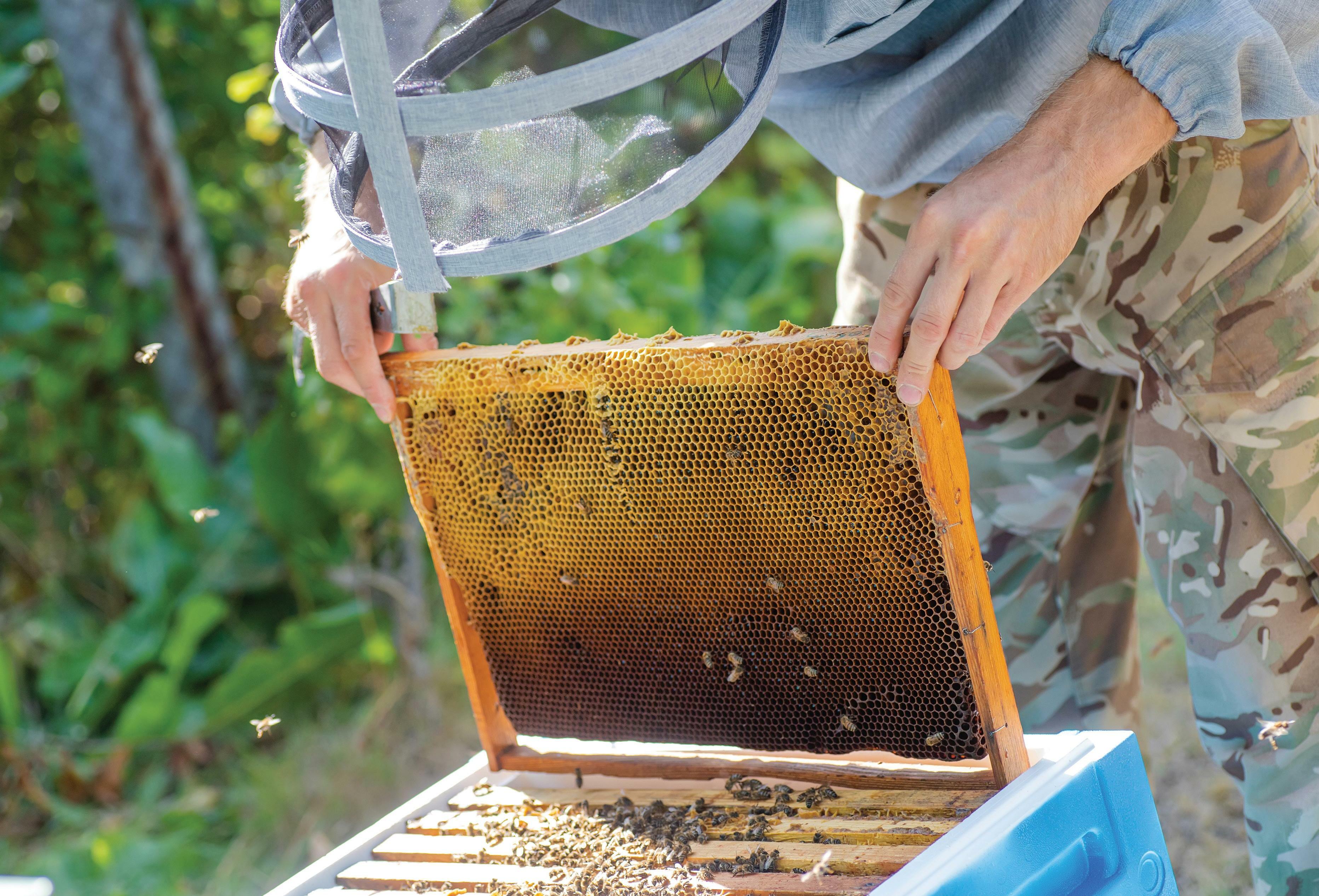
The beekeeping year isn't set in stone. Bees work in tune with the seasons, and how and when you work your hive will vary from region to region and year to year. Still, you can follow a general plan for what to do throughout each season to ensure healthy bees and a productive honey crop. Use this calendar as a guide, and talk with local beekeepers to refine the timing. Learn which conditions to watch for to complete the tasks.
JANUARY
The beginning of the year is the time to build beekeeping equipment, long before you put it to use. It's much easier to do it now rather than scramble for gear when your package arrives or you capture a swarm. In many regions of the country, the bees stay in the hive in January except to go out for occasional cleansing flights (to defecate) on warm days.
“January is kind of hands-off,” says Marina Marchese, owner of Red Bee Honey in Weston, Connecticut. “We really don’t open the hive. If there’s snow at the entrance, clear it off to make sure there’s ventilation.”
 FEBRUARY
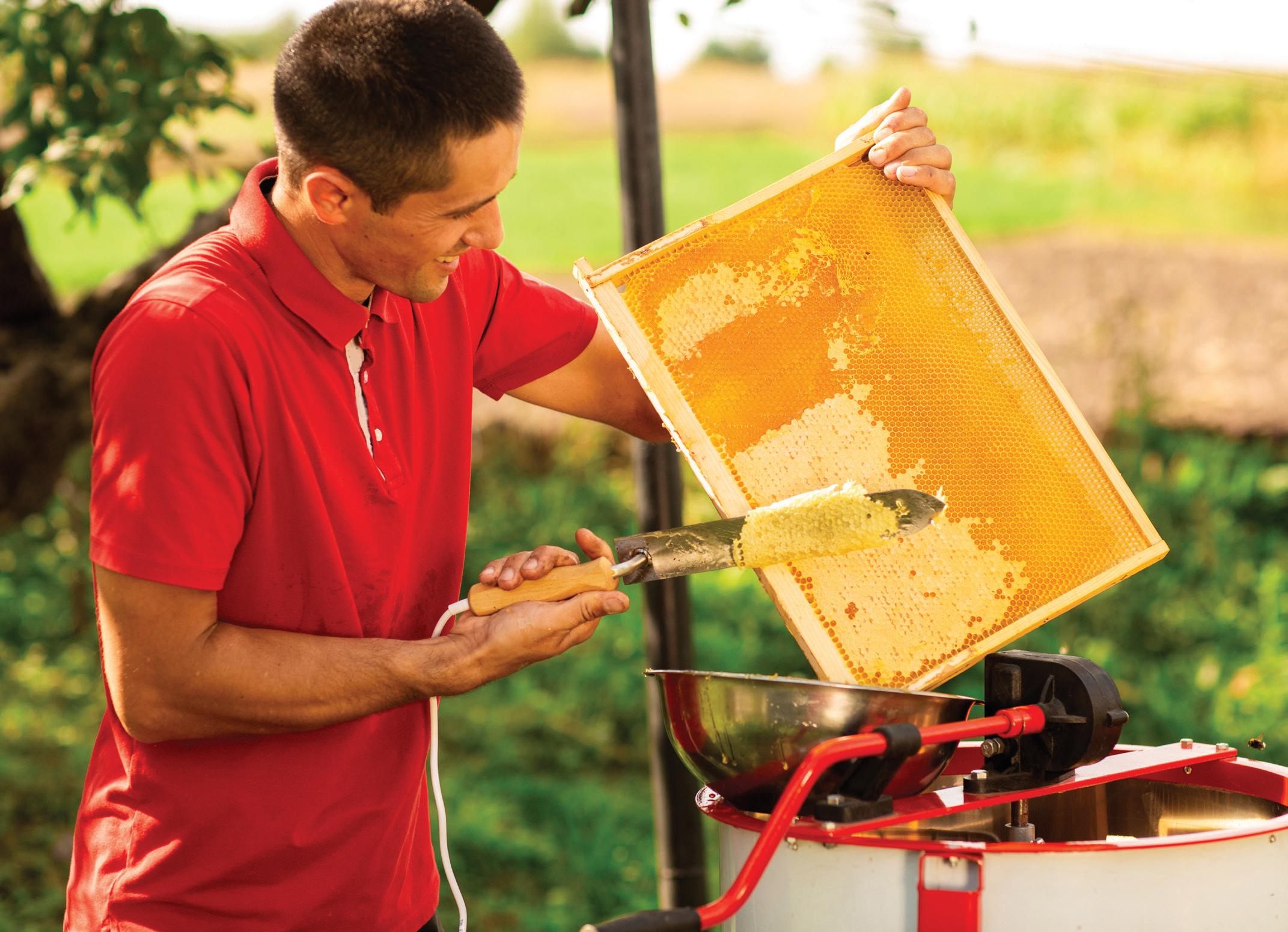
Linda Tillman, a master beekeeper in Atlanta, says February is an important time to make sure the hive has enough honey. This is particularly true in the South, where the weather is milder and bees are more active instead of clustering to stay warm; however, northern bees also need adequate stores to maintain their hive temperature through cold spells.
Carefully lift an end of the hive to gauge the weight of the deeps (the two boxes that make up the main body of the hive). You want your beehive to weigh at least 50 to 70 pounds at this time of year.

This story is from the Beekeeping 101 edition of Hobby Farms.
Subscribe to Magzter GOLD to access thousands of curated premium stories, and 10,000+ magazines and newspapers.
Already a subscriber? Sign In
MORE STORIES FROM Hobby Farms

Hobby Farms
NEW YEAR, NEW CROPS
As you make your garden plans for this season, consider these picks from growers across the country.

6 mins
January / February 2026
Hobby Farms
Garden-Scale Crop Rotation
You don't have to be a big-time farmer to benefit from rotating crops.
4 mins
January / February 2026
Hobby Farms
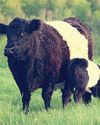
BELTED GALLOWAY CATTLE
The unique appearance of Belted Galloway cattle inspires many questions about their origins.
1 min
January / February 2026
Hobby Farms
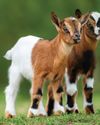
Goat Parasites
Grazing on an overly soiled pasture can sometimes lead parasites in your goat herd.
3 mins
January / February 2026

Hobby Farms
Rediscover Ancient Grains
Explore these nutritious and adaptable grains, known by many cultures over thousands of years.
8 mins
January / February 2026
Hobby Farms
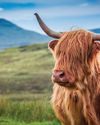
HIGHLAND CATTLE
Highland cattle are an old heritage breed known to have grazed the rugged Scottish landscape since the 6th century.
1 mins
January / February 2026
Hobby Farms
SAY CHEESE
KEEP 'EM COMING
1 min
January / February 2026

Hobby Farms
DIY Essential Oils
Steam-distill your own essential oils at home.
6 mins
January / February 2026
Hobby Farms
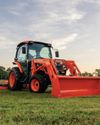
Kubota Goes Grand
Kubota Tractor Corp. has unveiled its latest innovation for small-scale farmers and landowners: the Grand L70 Series. Designed with residential and commercial users in mind, this series blends power, comfort and cutting-edge technology into one versatile machine. With three configurations available — premium, deluxe and cold weather — the Grand L70 Series is built to meet the diverse needs of today’s small farms and rural properties.
1 min
January / February 2026
Hobby Farms
Raising a Bottle Calf
Being raised on a dairy farm, I don't remember a time when I wasn't well-versed in the raising of bottle calves.
9 mins
January / February 2026
Listen
Translate
Change font size