
Vuélvete ilimitado con Magzter GOLD
Obtenga acceso ilimitado a más de 9000 revistas, periódicos e historias Premium por solo
Intentar ORO - Gratis
MONTH by MONTH
Hobby Farms
|Beekeeping 101
Two beekeepers walk you through a monthly schedule of easy-to-follow beekeeping tasks according to region.
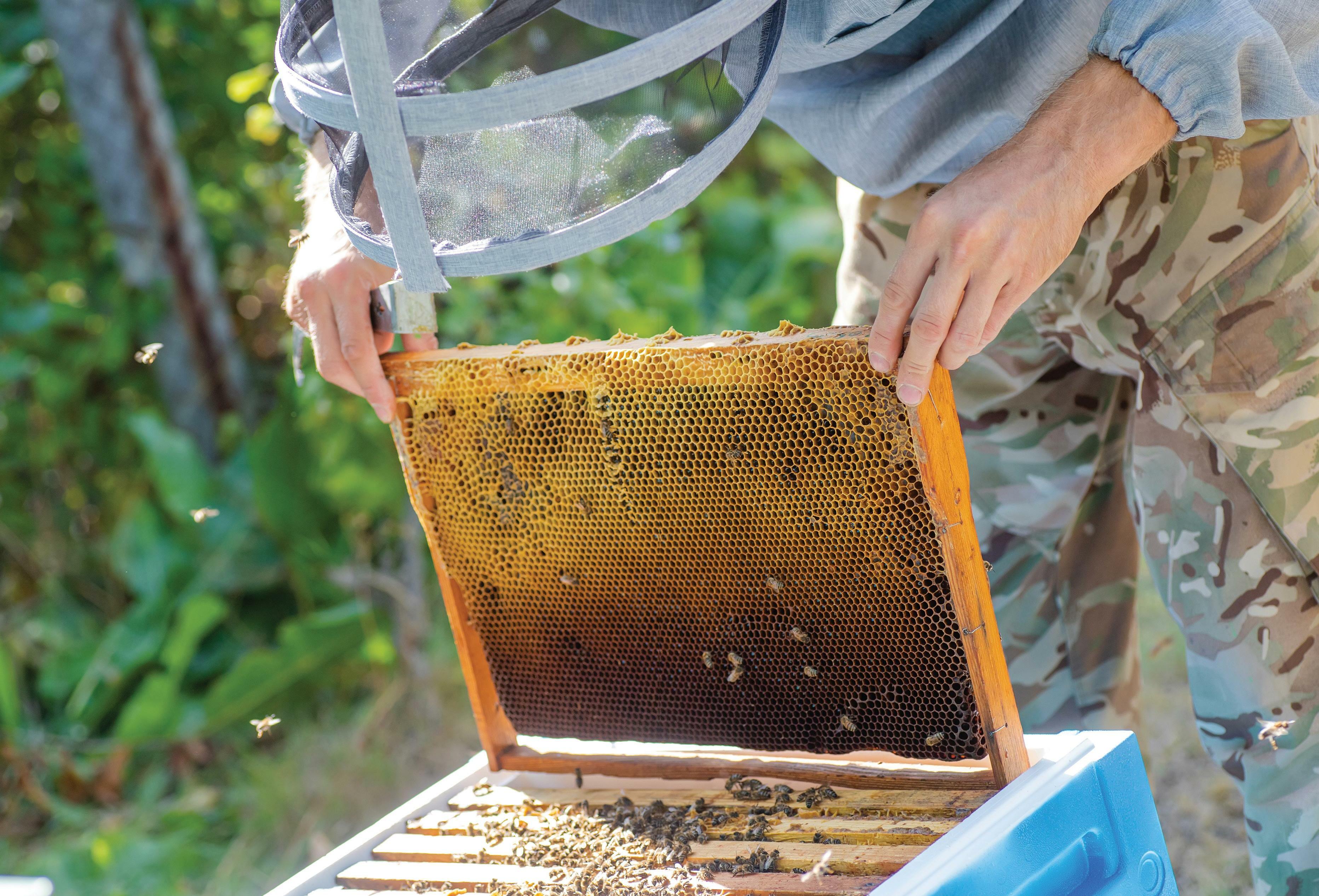
The beekeeping year isn't set in stone. Bees work in tune with the seasons, and how and when you work your hive will vary from region to region and year to year. Still, you can follow a general plan for what to do throughout each season to ensure healthy bees and a productive honey crop. Use this calendar as a guide, and talk with local beekeepers to refine the timing. Learn which conditions to watch for to complete the tasks.
JANUARY
The beginning of the year is the time to build beekeeping equipment, long before you put it to use. It's much easier to do it now rather than scramble for gear when your package arrives or you capture a swarm. In many regions of the country, the bees stay in the hive in January except to go out for occasional cleansing flights (to defecate) on warm days.
“January is kind of hands-off,” says Marina Marchese, owner of Red Bee Honey in Weston, Connecticut. “We really don’t open the hive. If there’s snow at the entrance, clear it off to make sure there’s ventilation.”
 FEBRUARY
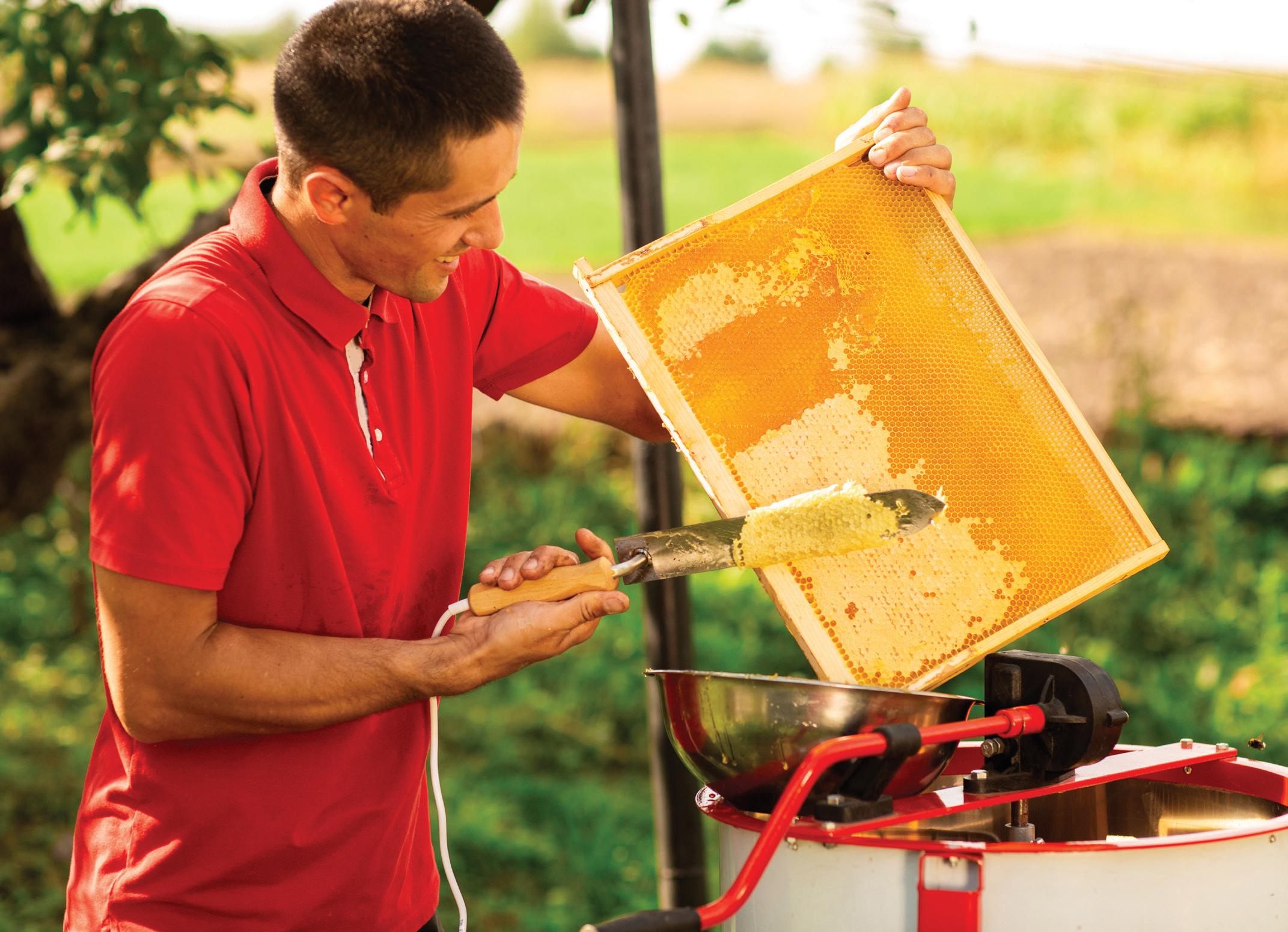
Linda Tillman, a master beekeeper in Atlanta, says February is an important time to make sure the hive has enough honey. This is particularly true in the South, where the weather is milder and bees are more active instead of clustering to stay warm; however, northern bees also need adequate stores to maintain their hive temperature through cold spells.
Carefully lift an end of the hive to gauge the weight of the deeps (the two boxes that make up the main body of the hive). You want your beehive to weigh at least 50 to 70 pounds at this time of year.

Esta historia es de la edición Beekeeping 101 de Hobby Farms.
Suscríbete a Magzter GOLD para acceder a miles de historias premium seleccionadas y a más de 9000 revistas y periódicos.
¿Ya eres suscriptor? Iniciar sesión
MÁS HISTORIAS DE Hobby Farms
Hobby Farms
AN HERB TO AVOID IN WINTER
While many culinary herbs are beneficial in winter, some members of the mint family are best to avoid when temperatures dip below 40 degrees Fahrenheit.

1 min
Healthy Hens 2026
Hobby Farms
Golden Girls
Discover some of the most overlooked health issues in aging hens.
6 mins
Healthy Hens 2026
Hobby Farms
Winter Tea Supplement
Several years ago, I noticed that while my healthy hens were robust during the growing season, their health declined a little during winter when they weren’t regularly consuming herbs or other greens.
2 mins
Healthy Hens 2026
Hobby Farms
Cool CHOOKS
Most chicken breeds are pretty hardy, but you can still make them more comfortable by offering them some escape from the summer heat.
7 mins
Healthy Hens 2026
Hobby Farms
Feeding Fowl
What you feed, how you supplement and when you treat will make all the difference for your chickens.
10 mins
Healthy Hens 2026
Hobby Farms
Egg-Eating Hens
Egg-eating hens can be a frustrating and costly problem for backyard chicken-keepers.
6 mins
Healthy Hens 2026
Hobby Farms
Potent PREDATORS
Take precautions, as these 15 marauders can wipe out an entire flock.
12 mins
Healthy Hens 2026
Hobby Farms
15 TOXIC PLANTS
Don't let your chickens eat these common plants.
6 mins
Healthy Hens 2026
Hobby Farms
BUG Off!
Bugs, who needs 'em? Certainly not chicken-keepers, who sometimes struggle to keep pesky flies and poultry parasites at bay.
7 mins
Healthy Hens 2026
Hobby Farms
ALPHA Hens
With or without a flock rooster, one lady always steps up to be the queen.
7 mins
Healthy Hens 2026
Listen
Translate
Change font size