Try GOLD - Free
LIMBER TIMBER
Hobby Farms
|September - October 2023
You won't have to lumber over that brush pile with these tips.
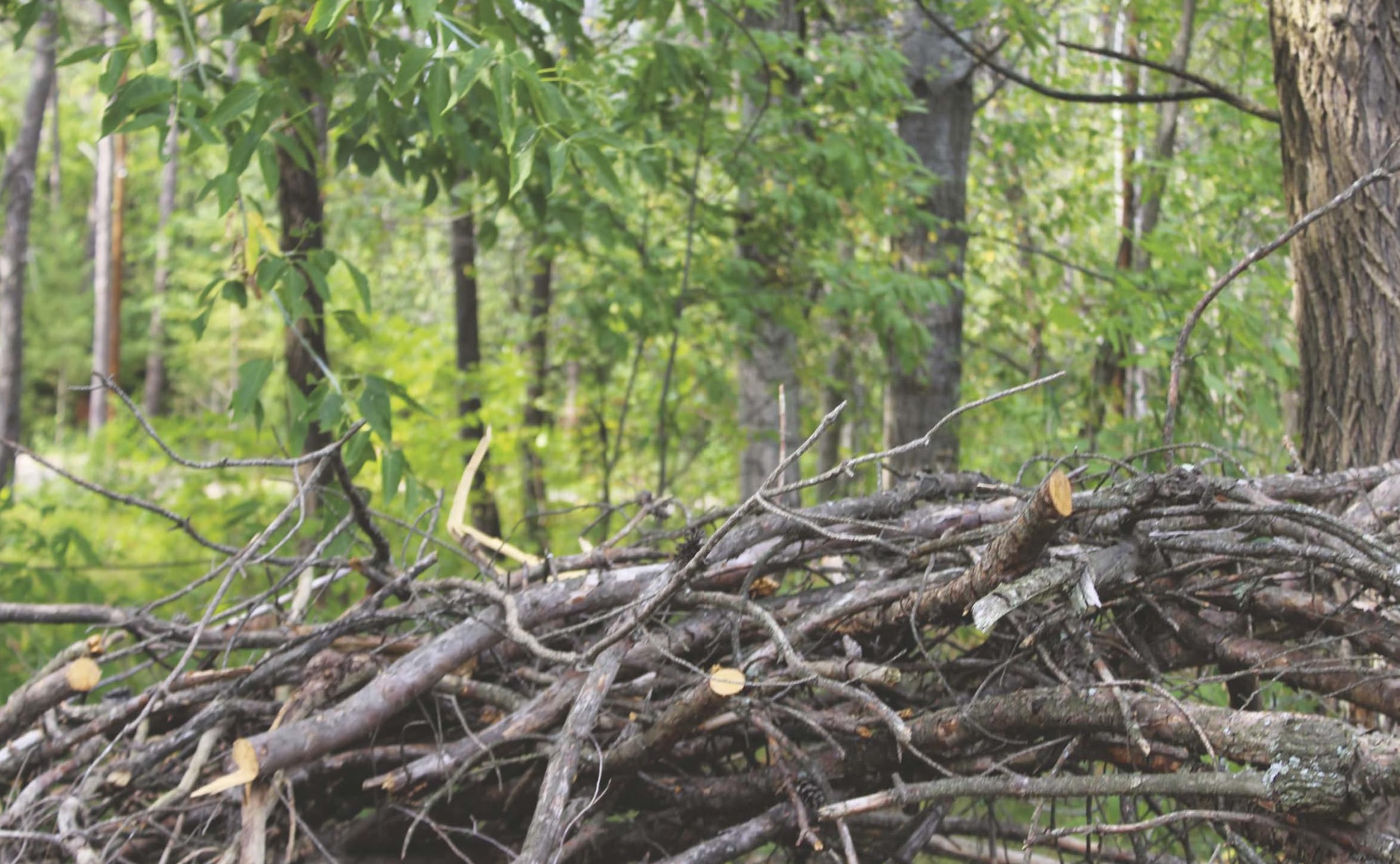
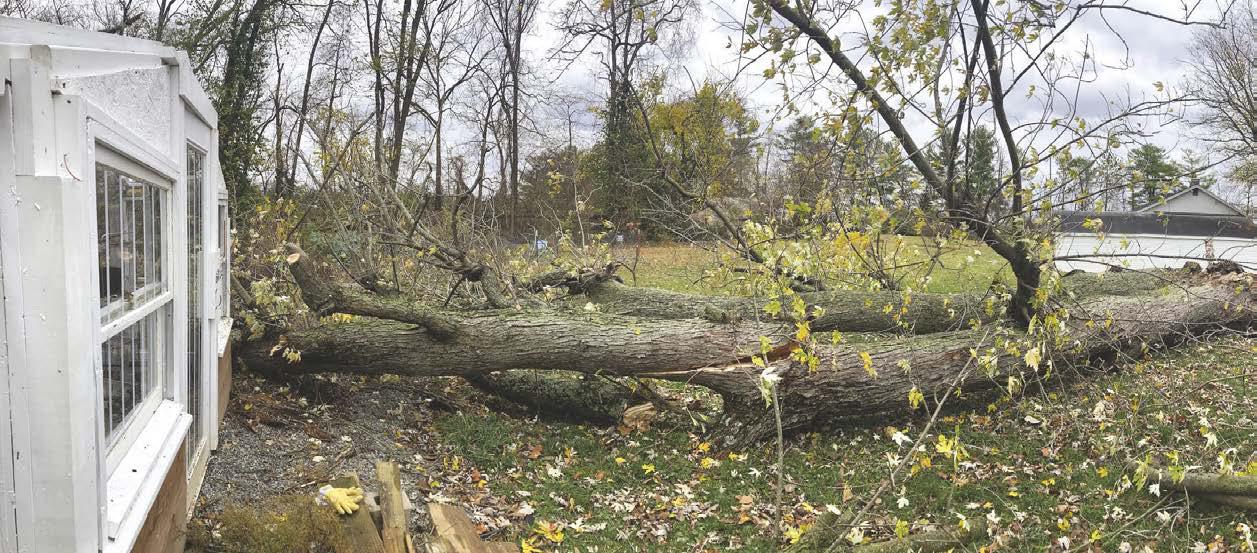
All it takes is one good storm - or just one very windy day- to send tree branches earthward. Those fallen sticks and large limbs can really add up. That goes for any woody shrub trimmings you happen to generate while pruning as well. Before long, you can be left with a truly massive brush pile. Although lots of people choose to burn their brush, you can extract a lot of value from that old pile of sticks. Here are six ways to put your brush pile to better use.
BIOCHAR BASICS
As a soil amendment, biochar can improve soil structure, moisture retention capabilities and overall nutrient availability to plants. And, as it happens, dried limbs and branches — especially those from softwoods — make great feedstock for making biochar.
Whether you dig your own burn pit or use a biochar kiln, any limbs from your brush pile that you intend to include for this specialized burning process (pyrolysis) had better be aged and bone-dry. Ideally, they should be about 3 inches in diameter or smaller, and they should break easily with a loud crack when you bend-test them.
Because it can take up to 100 pounds of brush to make just 10 to 20 pounds of biochar, your best bet is to save up limbs and sticks over several months’ time, sorting them by size as you go. Gardening with Biochar author Jeff Cox recommends making a couple of piles — one for branches between two and three inches in diameter and another for sticks less than two inches around. Cover these piles with tarps to keep the rain out as you wait for the sorted wood to reach levels of 10% moisture or less. At that point, they’ll be ready for their transformation from plain-old yard waste to pyrolyzed prize.


This story is from the September - October 2023 edition of Hobby Farms.
Subscribe to Magzter GOLD to access thousands of curated premium stories, and 10,000+ magazines and newspapers.
Already a subscriber? Sign In
MORE STORIES FROM Hobby Farms

Hobby Farms
NEW YEAR, NEW CROPS
As you make your garden plans for this season, consider these picks from growers across the country.

6 mins
January / February 2026

Hobby Farms
Garden-Scale Crop Rotation
You don't have to be a big-time farmer to benefit from rotating crops.
4 mins
January / February 2026

Hobby Farms
BELTED GALLOWAY CATTLE
The unique appearance of Belted Galloway cattle inspires many questions about their origins.
1 min
January / February 2026

Hobby Farms
Goat Parasites
Grazing on an overly soiled pasture can sometimes lead parasites in your goat herd.
3 mins
January / February 2026

Hobby Farms
Rediscover Ancient Grains
Explore these nutritious and adaptable grains, known by many cultures over thousands of years.
8 mins
January / February 2026

Hobby Farms
HIGHLAND CATTLE
Highland cattle are an old heritage breed known to have grazed the rugged Scottish landscape since the 6th century.
1 mins
January / February 2026

Hobby Farms
SAY CHEESE
KEEP 'EM COMING
1 min
January / February 2026

Hobby Farms
DIY Essential Oils
Steam-distill your own essential oils at home.
6 mins
January / February 2026

Hobby Farms
Kubota Goes Grand
Kubota Tractor Corp. has unveiled its latest innovation for small-scale farmers and landowners: the Grand L70 Series. Designed with residential and commercial users in mind, this series blends power, comfort and cutting-edge technology into one versatile machine. With three configurations available — premium, deluxe and cold weather — the Grand L70 Series is built to meet the diverse needs of today’s small farms and rural properties.
1 min
January / February 2026

Hobby Farms
Raising a Bottle Calf
Being raised on a dairy farm, I don't remember a time when I wasn't well-versed in the raising of bottle calves.
9 mins
January / February 2026
Translate
Change font size