Versuchen GOLD - Frei
LIMBER TIMBER
Hobby Farms
|September - October 2023
You won't have to lumber over that brush pile with these tips.
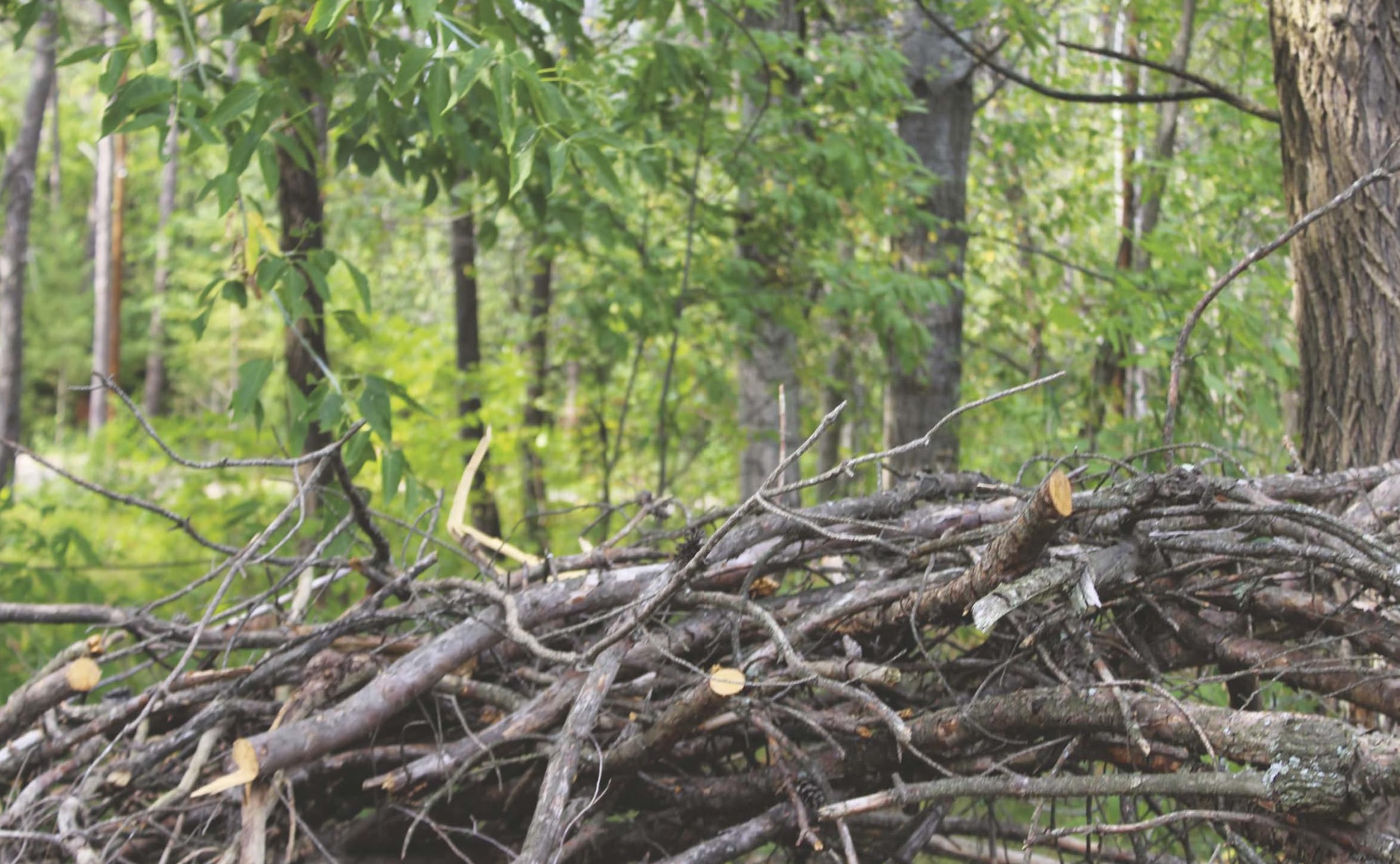
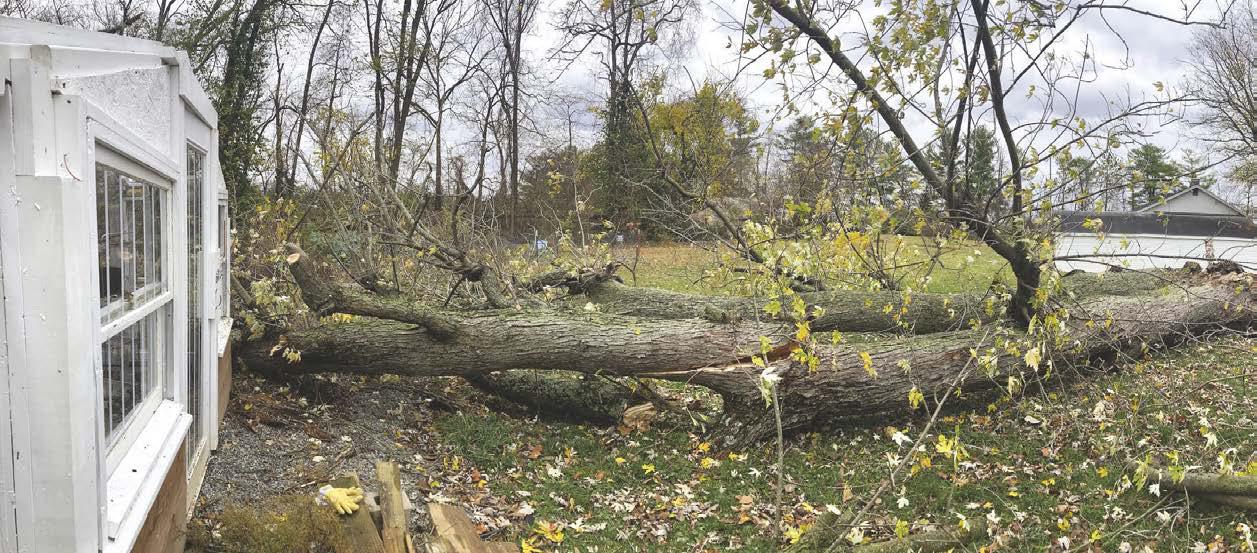
All it takes is one good storm - or just one very windy day- to send tree branches earthward. Those fallen sticks and large limbs can really add up. That goes for any woody shrub trimmings you happen to generate while pruning as well. Before long, you can be left with a truly massive brush pile. Although lots of people choose to burn their brush, you can extract a lot of value from that old pile of sticks. Here are six ways to put your brush pile to better use.
BIOCHAR BASICS
As a soil amendment, biochar can improve soil structure, moisture retention capabilities and overall nutrient availability to plants. And, as it happens, dried limbs and branches — especially those from softwoods — make great feedstock for making biochar.
Whether you dig your own burn pit or use a biochar kiln, any limbs from your brush pile that you intend to include for this specialized burning process (pyrolysis) had better be aged and bone-dry. Ideally, they should be about 3 inches in diameter or smaller, and they should break easily with a loud crack when you bend-test them.
Because it can take up to 100 pounds of brush to make just 10 to 20 pounds of biochar, your best bet is to save up limbs and sticks over several months’ time, sorting them by size as you go. Gardening with Biochar author Jeff Cox recommends making a couple of piles — one for branches between two and three inches in diameter and another for sticks less than two inches around. Cover these piles with tarps to keep the rain out as you wait for the sorted wood to reach levels of 10% moisture or less. At that point, they’ll be ready for their transformation from plain-old yard waste to pyrolyzed prize.

Diese Geschichte stammt aus der September - October 2023-Ausgabe von Hobby Farms.
Abonnieren Sie Magzter GOLD, um auf Tausende kuratierter Premium-Geschichten und über 9.000 Zeitschriften und Zeitungen zuzugreifen.
Sie sind bereits Abonnent? Anmelden
WEITERE GESCHICHTEN VON Hobby Farms

Hobby Farms
SHETLAND SHEEP
With their wide range of colors and fleece types, excellent meat, small size, resistance to disease and ability to take good care of themselves, Shetland sheep are an ideal breed for many small farms.

1 mins
July/August 2026
Hobby Farms
Got (Sheep) Milk?
Here’s a beginner’s guide to dairy sheep.
4 mins
July/August 2026
Hobby Farms
BABYDOLL SOUTHDOWN SHEEP
The North American Babydoll Southdown Sheep Association refers to this diminutive breed as “charming creatures” because of its dispositions and adorable appearance.
1 min
July/August 2026

Hobby Farms
WELL DONE
Happy Hollow Farm has adapted to farming in uncertain water years.
7 mins
July/August 2026

Hobby Farms
Pig Mites & Lice
Learn how to tell lice and mites apart for accurate diagnosis and treatment.
4 mins
July/August 2026

Hobby Farms
Rotational Grazing for All
Better forage, healthier soil and improved weight gain can make the planning worthwhile.
7 mins
July/August 2026

Hobby Farms
Beat the Heat
Easy DIY cooling systems you can set up on your hobby farm to keep your livestock cool and comfortable this summer.
7 mins
July/August 2026

Hobby Farms
HARLEQUIN SHEEP
This U.S.-developed miniature sheep breed is hardy and lambs easily, often having multiple lambs.
1 min
July/August 2026

Hobby Farms
Cherry Tomato Rainbow
Cherry tomatoes may be small, but they can be every bit as flavorful as the juiciest slicer you've ever grown.
6 mins
July/August 2026

Hobby Farms
Natural Selection
Try one of these herbal remedies for goats.
6 mins
July/August 2026
Translate
Change font size