
Go Unlimited with Magzter GOLD
Get unlimited access to 10,000+ magazines, newspapers and Premium stories for just
Try GOLD - Free
A New Era of Pesticide Regulation
Successful Farming
|February 2025
What does EPA‘s final Herbicide Strategy mean for farmers?
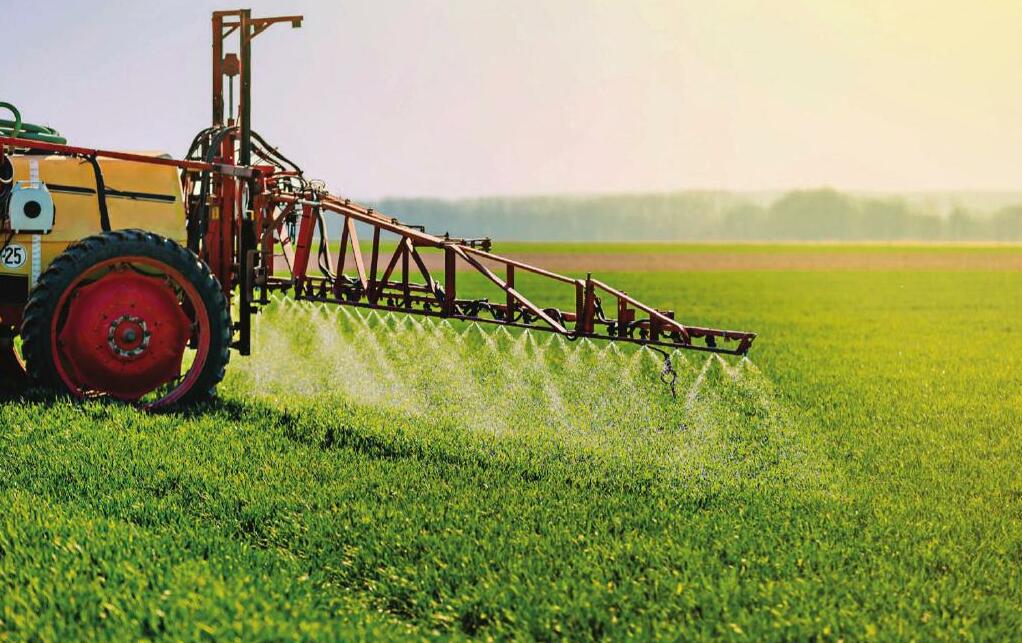
In late August 2024, the U.S. Environmental Protection Agency (EPA) released the final version of its Herbicide Strategy. The strategy is intended to bring the agency into compliance with its obligations under the Endangered Species Act (ESA) to protect more than 900 federally endangered and threatened species from herbicides' potential impacts.
As a result, farmers can expect to see changes in drift and runoff mitigation measures required on labels, as products are registered and reregistered moving forward. This requires a shift in how pesticides are to be managed, down to the field level.
What Changed From the Draft?
The EPA released its The strategy's first draft in July 2023, receiving over 18,000 comments from the public. The agency spent the next year engaging with farmers, researchers, and agriculture stakeholders to make improvements to the final strategy.
Both versions discussed reducing spray drift, runoff, and erosion, and using Bulletins Live! Two (BLT), said Bill Chism, who chairs the Endangered Species Committee for the Weed Science Society of America (WSSA). BLT is an online tool that displays pesticide use limitation areas (PULAs) for products with active endangered species protection bulletins. "The final strategy is much more flexible," Chism said. "There are more feasible options for farmers that just weren't there in the first one. EPA increased the points given for conservation practices, so I think they've given us more options."
This flexibility comes at the cost of increased complexity. “Pesticide applicators will be tasked with ensuring they meet mitigation measures for runoff and drift, as influenced by the pesticide itself, the crop being treated, and even the field where the product is sprayed," said Stanley Culpepper, a weed science specialist at the University of Georgia.


This story is from the February 2025 edition of Successful Farming.
Subscribe to Magzter GOLD to access thousands of curated premium stories, and 10,000+ magazines and newspapers.
Already a subscriber? Sign In
MORE STORIES FROM Successful Farming

Successful Farming
Make Forested Land Pay Without Cutting a Tree
Landowners can grow high-value, nontimber crops, like ginseng, under existing trees.

4 mins
February 2026
Successful Farming
New Fendt Optimum With Precision Planting Tech
The Optimum is available in five configurations, with a variety of options.
1 mins
February 2026

Successful Farming
The Widening Net
Experts discuss how government aid can inflate input costs.
4 mins
February 2026
Successful Farming
Opportunity Is Knocking
It’s a good time to buy if you’re in the market for a high-horsepower tractor.
4 mins
February 2026

Successful Farming
SUPERCYCLE SLUMP
What will it take for corn and soybean prices to climb again?
5 mins
February 2026

Successful Farming
Ready, Set, Plant!
New research from universities, on-farm trials, and seed companies is reshaping how growers decide which crop to plant first.
8 mins
February 2026

Successful Farming
Get Planting Prep Right
Spending time servicing your planter during the winter pays off when conditions are right to head to the field.
2 mins
February 2026

Successful Farming
Leaving Lasting Impact
A central Iowa community came together to support FFA, agricultural education, and the next generation of leaders in agriculture.
2 mins
February 2026
Successful Farming
Dwight Mogler
This Iowa producer shares how his family stays united as the multigenerational farm grows.
3 mins
February 2026

Successful Farming
Diagnosing Equipment Repairs
Off-the-shelf and manufacturer AI tools can help farmers repair machinery faster.
3 mins
February 2026
Listen
Translate
Change font size