Try GOLD - Free
Cities Of Joy
Down To Earth
|March 16, 2019
Last year, the South African city of Cape Town was in the news for running out of water. It managed to avert Day Zero, but the threat has not disappeared. With changing climate, more cities across the world will face similar crises. But there are a few metropolises that have overcome water shortage despite heavy odds. Though these cities still need to keep adapting and innovating, they have done well so far. Here's how they did it

BERLIN: GROUNDWATER RECHARGE IS KEY
The capital city of Germany is located in the country’s dry northeastern region and receives around 600 mm of annual rainfall. Yet it has managed to sustain on its groundwater, and not using surface water at all. It has done so by planning and managing its water resource for over a century now. In the 1890s, the city implemented artificial groundwater recharge techniques, such as bank filtration, to increase drinking water production. In this method, surface water is infiltrated into the groundwater by extracting it from near a water body. Since the 1980s, it has also encouraged “Green Roofs” (covering a conventional roof with a layer of vegetation planted over a waterproofing membrane to absorb rainwater). Between 1989 and 2008, it reduced its water demand by 50 per cent, says Prit Salian, a water and sanitation specialist at i-Salan a UK-based organisation, in a study. The city also treats its wastewater to add to its water reserves.
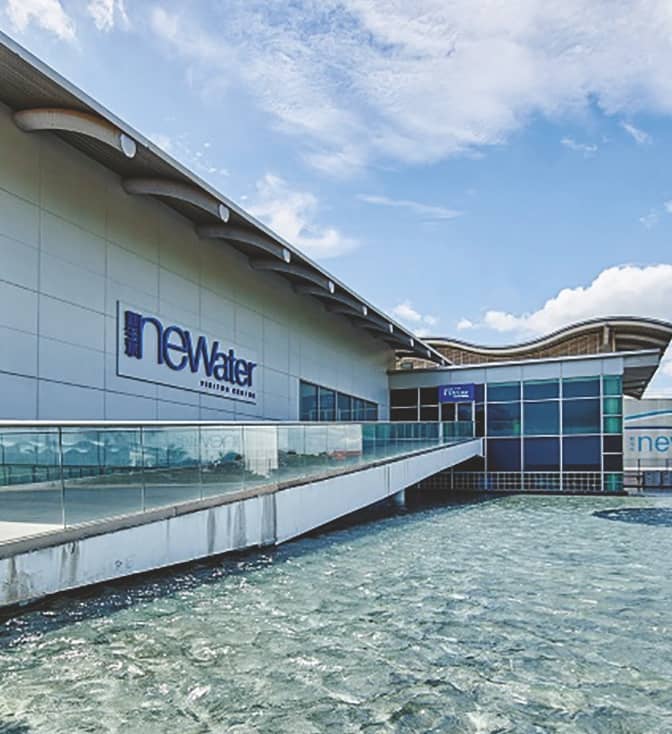
MELBOURNE: RATIONS ITS WAY OUT OF TROUBLE

This story is from the March 16, 2019 edition of Down To Earth.
Subscribe to Magzter GOLD to access thousands of curated premium stories, and 10,000+ magazines and newspapers.
Already a subscriber? Sign In
MORE STORIES FROM Down To Earth
Down To Earth
Popular distrust
THE WORLD seems to be going through a period of stasis despite facing an unfathomable polycrisis.

2 mins
February 01, 2026
Down To Earth
CONSERVE OR PERISH
Periyar Tiger Reserve has rewritten Indian conservation by turning poachers into protectors and conflict into coexistence
5 mins
February 01, 2026

Down To Earth
'Rivers need to run free'
From Tibet to West Bengal, the Brahmaputra is the pulse of communities and ecosystems along its course. But what are the risks the river faces through human interventions, particularly dams, discusses journalist, author and filmmaker SANJOY HAZARIKA in his new book, River Traveller.
4 mins
February 01, 2026

Down To Earth
India is facing up to its innovation lag
There are signs now that India is acknowledging the superior strides made by China in a frontier technology like Al
4 mins
February 01, 2026

Down To Earth
Competing concerns
What are the repercussions of the EU-Mercosur pact that have made European farmers protest against the free trade agreement?
4 mins
February 01, 2026

Down To Earth
From fryer to flight
Sustainable fuel made from used cooking oil can play a pivotal role in helping India achieve its aviation emission reduction goals. Measures to collect this oil must be revamped
4 mins
February 01, 2026

Down To Earth
ACCESS OPEN
An amendment to India's nodal forest conservation law opens up forests across India to commercial exploitation by the paper industry
6 mins
February 01, 2026
Down To Earth
DRINK FROM TAP CAN BE A REALITY
As cities across India struggle to supply safe piped water, Odisha offers a success story
2 mins
February 01, 2026

Down To Earth
GREAT DRYING
The Earth is hotter than at any point in the past 100,000 years, with 2023-25 becoming the warmest three-year period on record and also breaching the 1.5°C threshold for the first time. One fallout is dwindling freshwater.
22 mins
February 01, 2026

Down To Earth
Green redemption
Restoration of grasslands of Kerala's Pampadum Shola National Park, once dominated by invasive Australian wattles, see a return of streams and native species
1 mins
February 01, 2026
Translate
Change font size