試す 金 - 無料
Cities Of Joy
Down To Earth
|March 16, 2019
Last year, the South African city of Cape Town was in the news for running out of water. It managed to avert Day Zero, but the threat has not disappeared. With changing climate, more cities across the world will face similar crises. But there are a few metropolises that have overcome water shortage despite heavy odds. Though these cities still need to keep adapting and innovating, they have done well so far. Here's how they did it

BERLIN: GROUNDWATER RECHARGE IS KEY
The capital city of Germany is located in the country’s dry northeastern region and receives around 600 mm of annual rainfall. Yet it has managed to sustain on its groundwater, and not using surface water at all. It has done so by planning and managing its water resource for over a century now. In the 1890s, the city implemented artificial groundwater recharge techniques, such as bank filtration, to increase drinking water production. In this method, surface water is infiltrated into the groundwater by extracting it from near a water body. Since the 1980s, it has also encouraged “Green Roofs” (covering a conventional roof with a layer of vegetation planted over a waterproofing membrane to absorb rainwater). Between 1989 and 2008, it reduced its water demand by 50 per cent, says Prit Salian, a water and sanitation specialist at i-Salan a UK-based organisation, in a study. The city also treats its wastewater to add to its water reserves.
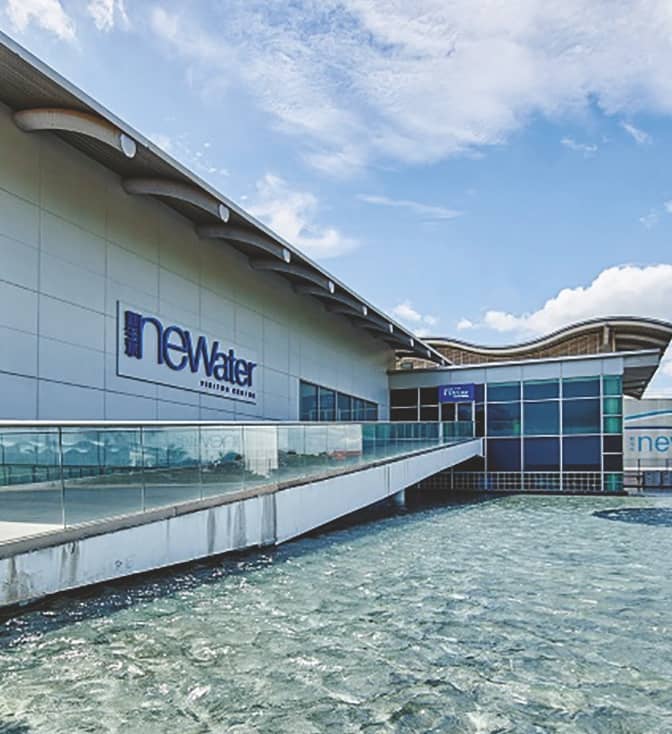
MELBOURNE: RATIONS ITS WAY OUT OF TROUBLE

このストーリーは、Down To Earth の March 16, 2019 版からのものです。
Magzter GOLD を購読すると、厳選された何千ものプレミアム記事や、10,000 以上の雑誌や新聞にアクセスできます。
すでに購読者ですか? サインイン
Down To Earth からのその他のストーリー

Down To Earth
Bitter pill
THE WEB SERIES PHARMA EXPOSES HARSH TRUTHS OF THE PHARMACEUTICAL INDUSTRY, WHERE PROFIT OFTEN BECOMES MORE IMPORTANT THAN HUMAN HEALTH

3 mins
January 16, 2026
Down To Earth
CHAOS IN-DEFINITION
The Aravallis are perhaps India's most litigated hill range. More than 4,000 court cases have failed to arrest their destruction. The latest dispute concerns a narrow legal definition of this geological antiquity, much of which has been obliterated by mining and urban sprawl. While the Supreme Court has stayed its own judgement accepting that definition, it must see the underlying reality and help reconcile development and national security with conservation.
19 mins
January 16, 2026

Down To Earth
BITS: INDIA
Indore has recorded 16 deaths and more than 1,600 hospitalisations between December 24 and January 6.
1 min
January 16, 2026
Down To Earth
GUARANTEE EXPIRES
India's rural employment guarantee law is replaced with a centrally controlled, budget-capped scheme. Is this an attack on the right to work?
3 mins
January 16, 2026
Down To Earth
BLOOM OR BANE
Surge of vibrant pink water lilies in Kuttanad, Kerala, provides socio-economic benefits, but the plant's ecological impacts must be understood
4 mins
January 16, 2026
Down To Earth
INVISIBLE EMPLOYER
Field and academic evidence shows sharp falls in casual agricultural employment at places where groundwater access declines
3 mins
January 16, 2026

Down To Earth
Schemed for erasure
Does the VB-G RAMG Act address structural weaknesses long observed in MGNREGA's implementation?
10 mins
January 16, 2026

Down To Earth
School of change
An open school in Panagar, Madhya Pradesh, aims to protect children of tribal settlements from falling into the trap of addiction
2 mins
January 16, 2026

Down To Earth
PULSE OF RESILIENCE
As a climate-ready crop, cowpea shows potential for widespread use in India
3 mins
January 16, 2026
Down To Earth
BITS GLOBAL
Britain recorded its hottest and sunniest year ever in 2025, the country's meteorological office said on January 2.
1 min
January 16, 2026
Translate
Change font size