
Go Unlimited with Magzter GOLD
Get unlimited access to 10,000+ magazines, newspapers and Premium stories for just
Try GOLD - Free
“They're not human beings”
The Atlantic
|June 2022
Ukraine and the words that lead to mass murder

In the terrible winter of 1932–33, brigades of Communist Party activists went house to house in the Ukrainian countryside, looking for food. The brigades were from Moscow, Kyiv, and Kharkiv, as well as villages down the road. They dug up gardens, broke open walls, and used long rods to poke up chimneys, searching for hidden grain. They watched for smoke coming from chimneys, because that might mean a family had hidden flour and was baking bread. They led away farm animals and confiscated tomato seedlings. After they left, Ukrainian peasants, deprived of food, ate rats, frogs, and boiled gnawed on tree bark and leather. Many resorted to cannibalism to stay alive. Some 4 million died of starvation.
At the time, the activists felt no guilt. Soviet propaganda had repeatedly told them that supposedly wealthy peasants, whom they called kulaks, were saboteurs and enemies—rich, stubborn landowners who were preventing the Soviet proletariat from achieving the utopia that its leaders had promised. The kulaks should be swept away, crushed like parasites or flies. Their food should be given to the workers in the cities, who deserved it more than they did. Years later, the Ukrainian-born Soviet defector Viktor Kravchenko wrote about what it was like to be part of one of those brigades. “To spare yourself mental agony you veil unpleasant truths from view by half-closing your eyes—and your mind,” he explained. “You make panicky excuses and shrug off knowledge with words like exaggeration and hysteria.”
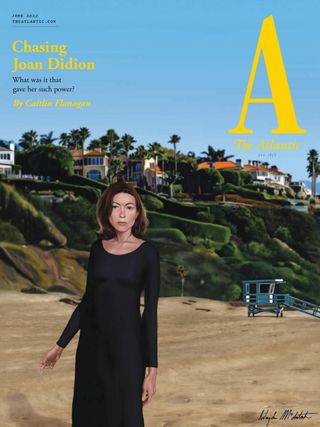

This story is from the June 2022 edition of The Atlantic.
Subscribe to Magzter GOLD to access thousands of curated premium stories, and 10,000+ magazines and newspapers.
Already a subscriber? Sign In
MORE STORIES FROM The Atlantic
The Atlantic
How America Celebrated Its 100th Birthday
The Centennial Exhibition of 1876 promised a glorious industrial future. Outside its gates, the country seethed with violence and corruption.

12 mins
June 2026

The Atlantic
THE CLOWN SHOW
The Savannah Bananas are reviving one of the most entertaining—and controversial—teams in Negro Leagues history.
21 mins
June 2026
The Atlantic
The Diva
Denyce Graves is retiring from performing after a career as one of opera's leading women. But there's more work for her to do.
10 mins
June 2026

The Atlantic
Cat Heir
Did Karl Lagerfeld really leave millions to Choupette?
26 mins
June 2026

The Atlantic
The Secret of Elizabeth Strout's Appeal
How she writes best sellers that are also critical darlings
10 mins
June 2026
The Atlantic
THE VENTURE-CAPITAL POPULIST
How David Sacks and the new tech right went full MAGA and captured Washington
32 mins
June 2026
The Atlantic
Glory Days
Heartland rock was shot through with nostalgia— but nostalgia for what?
9 mins
June 2026

The Atlantic
Alien Nation
Why Americans want to believe that the government is hiding the truth about extraterrestrial life
11 mins
June 2026
The Atlantic
Dinah's Hat
On the day Dinah lost her hat, I was sitting on the top step of my just-right Scamp trailer doing a crossword.
24 mins
June 2026

The Atlantic
THE AMERICA I'VE KNOWN
In my 93rd year, it's become ever more clear that patriotism requires sacrifice and collective effort.
7 mins
June 2026
Translate
Change font size