
Go Unlimited with Magzter GOLD
Get unlimited access to 10,000+ magazines, newspapers and Premium stories for just
Try GOLD - Free
Childhood in an anxious age and the crisis of modern parenting
The Atlantic
|May 2020
Imagine for a moment that the future is going to be even more stressful than the present. Maybe we don’t need to imagine this. You probably believe it. According to a survey from the Pew Research Center last year, 60 percent of American adults think that three decades from now, the U.S. will be less powerful than it is today. Almost two-thirds say it will be even more divided politically. Fifty-nine percent think the environment will be degraded. Nearly three-quarters say that the gap between the haves and have-nots will be wider. A plurality expect the average family’s standard of living to have declined. Most of us, presumably, have recently become acutely aware of the danger of global plagues.

Suppose, too, that you are brave or crazy enough to have brought a child into this world, or rather this mess. If ever there were a moment for fortifying the psyche and girding the soul, surely this is it. But how do you prepare a child for life in an uncertain time—one far more psychologically taxing than the late-20th-century world into which you were born?
To protect children from physical harm, we buy car seats, we childproof, we teach them to swim, we hover. How, though, do you inoculate a child against future anguish? For that matter, what do you do if your child seems overwhelmed by life in the here and now?
You may already know that an increasing number of our kids are not all right. But to recap: After remaining more or less flat in the 1970s and ’80s, rates of adolescent depression declined slightly from the early ’90s through the mid-aughts. Shortly thereafter, though, they started climbing, and they haven’t stopped. Many studies, drawing on multiple data sources, confirm this; one of the more recent analyses, by Pew, shows that from 2007 to 2017, the percentage of 12-to-17-year-olds who had experienced a major depressive episode in the previous year shot up from 8 percent to 13 percent—meaning that, in the span of a decade, the number of severely depressed teenagers went from 2 million to 3.2 million. Among girls, the rate was even higher; in 2017, one in five reported experiencing major depression.
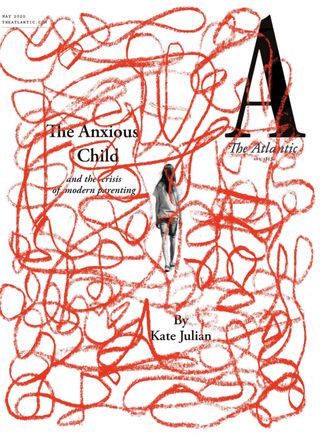

This story is from the May 2020 edition of The Atlantic.
Subscribe to Magzter GOLD to access thousands of curated premium stories, and 10,000+ magazines and newspapers.
Already a subscriber? Sign In
MORE STORIES FROM The Atlantic

The Atlantic
How America Celebrated Its 100th Birthday
The Centennial Exhibition of 1876 promised a glorious industrial future. Outside its gates, the country seethed with violence and corruption.

12 mins
June 2026

The Atlantic
THE CLOWN SHOW
The Savannah Bananas are reviving one of the most entertaining—and controversial—teams in Negro Leagues history.
21 mins
June 2026

The Atlantic
The Diva
Denyce Graves is retiring from performing after a career as one of opera's leading women. But there's more work for her to do.
10 mins
June 2026

The Atlantic
Cat Heir
Did Karl Lagerfeld really leave millions to Choupette?
26 mins
June 2026

The Atlantic
The Secret of Elizabeth Strout's Appeal
How she writes best sellers that are also critical darlings
10 mins
June 2026

The Atlantic
THE VENTURE-CAPITAL POPULIST
How David Sacks and the new tech right went full MAGA and captured Washington
32 mins
June 2026

The Atlantic
Glory Days
Heartland rock was shot through with nostalgia— but nostalgia for what?
9 mins
June 2026

The Atlantic
Alien Nation
Why Americans want to believe that the government is hiding the truth about extraterrestrial life
11 mins
June 2026

The Atlantic
Dinah's Hat
On the day Dinah lost her hat, I was sitting on the top step of my just-right Scamp trailer doing a crossword.
24 mins
June 2026

The Atlantic
THE AMERICA I'VE KNOWN
In my 93rd year, it's become ever more clear that patriotism requires sacrifice and collective effort.
7 mins
June 2026
Translate
Change font size