
Go Unlimited with Magzter GOLD
Get unlimited access to 10,000+ magazines, newspapers and Premium stories for just
ON THE FRONT LINE
WHO
|July 6, 2020
AS WE WATCH FROM HOME, THESE FOREIGN CORRESPONDENTS ARE RISKING THEIR LIVES TO GET THE FULL STORY

On June 3, Nine News’ Europe correspondent, Sophie Walsh, was approached by a man allegedly yelling religious phrases while making stabbing motions – he was later found to have a screwdriver on him – and grabbing her while she was doing a live cross on the streets of London. Hours later another Nine reporter Ben Avery and his cameraman Cade Thompson were forced to outrun a mob after they were confronted while on air.
Being belted with a police baton, assaulted with a screwdriver, tear gassed, or chased down the street by angry protesters doesn’t sound like a normal work day for most of us. But more and more often, foreign media correspondents are not only witnessing, but also becoming victims of violence in their attempts to report on global events as they happen.
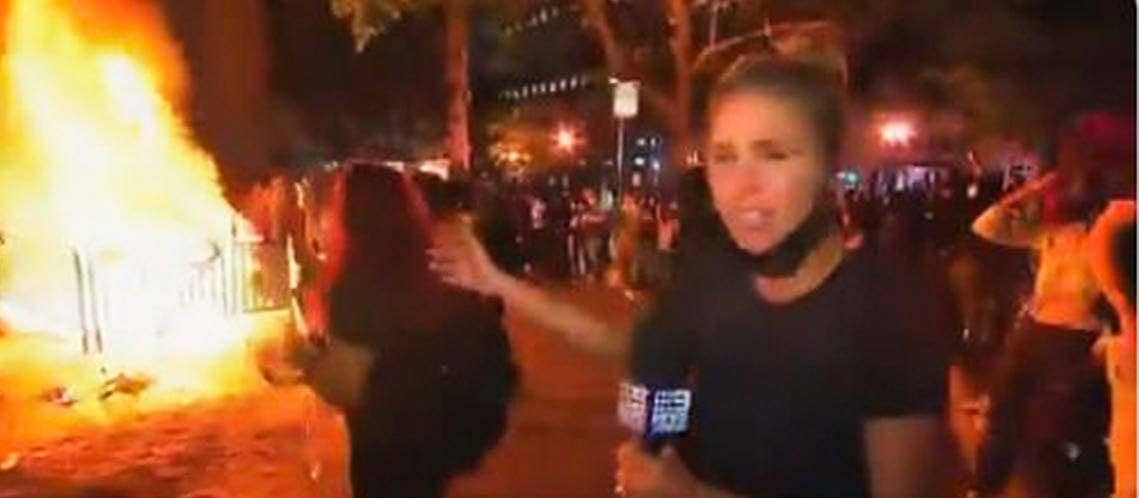
But it’s not just incensed civilians that these journalists have to watch out for. Just days earlier, on June 1, Channel Seven US correspondent Amelia Brace was hit with a baton and her cameraman Tim Myers was struck in the chest by US police while covering the Black Lives Matter protests in Washington D.C. – despite identifying themselves as media. As they attempted to head for safety, the pair were hit by rubber bullets.
The scene unfolded on live TV, with the disturbing video quickly going viral and making headlines, not just in Australia but across the globe. “It was an absolutely terrifying experience,” Brace told Sunrise the next day.


This story is from the July 6, 2020 edition of WHO.
Subscribe to Magzter GOLD to access thousands of curated premium stories, and 10,000+ magazines and newspapers.
Already a subscriber? Sign In
MORE STORIES FROM WHO

WHO
MARY ANNE O'CONNOR
THE WRITER IS BACK WITH ANOTHER YULETIDE TALE

1 min
December 22, 2025

WHO
SUMMER LOVIN' (WITHOUT THE SAND)
Ditch the sunbaking crowds and head inland for Australia's best beach-free breaks
2 mins
December 22, 2025

WHO
Jane Austen Pride, prejudice & pop culture
THE AUTHOR HAS LEFT AN INDELIBLE MARK ON THE WORLD
2 mins
December 22, 2025
WHO
Five Minutes With... VIRGINIA GAY
THE AUSTRALIAN STAR HAS PENNED A THRILLING NEW STAGE PRODUCTION
2 mins
December 22, 2025
WHO
HOLIDAY HIGH
How to tell if your holiday fling is something more
2 mins
December 22, 2025

WHO
Growing up Olsen
THE FAMOUS, BUT PRIVATE, SISTERS OPEN UP ABOUT THEIR 'CHAOTIC' CHILDHOOD - AND HOW IT SHAPED THEM
3 mins
December 22, 2025

WHO
SARAH ABO
THE TODAY CO-HOST IS GETTING IN THE FESTIVE SPIRIT
1 mins
December 22, 2025

WHO
CHER SET TO WED
THE SINGER IS LOOKING TO WALK DOWN THE AISLE AGAIN
1 min
December 22, 2025

WHO
TIMOTHÉE CHALAMET & KYLIE JENNER RED CARPET STATEMENT
THE COUPLE PUT SPLIT RUMOURS TO REST WITH A RARE PUBLIC APPEARANCE FOR HIS NEW MOVIE
1 min
December 22, 2025

WHO
Will Forte & D’Arcy Carden 'WE DIDN'T WANT TO LEAVE OZ!'
THE AMERICAN ACTORS TALK ABOUT THEIR EXPERIENCE FILMING NEW DARK COMEDY SUNNY NIGHTS DOWN UNDER
3 mins
December 22, 2025
Translate
Change font size