
Vuélvete ilimitado con Magzter GOLD
Obtenga acceso ilimitado a más de 9000 revistas, periódicos e historias Premium por solo
Intentar ORO - Gratis
ON THE FRONT LINE
WHO
|July 6, 2020
AS WE WATCH FROM HOME, THESE FOREIGN CORRESPONDENTS ARE RISKING THEIR LIVES TO GET THE FULL STORY

On June 3, Nine News’ Europe correspondent, Sophie Walsh, was approached by a man allegedly yelling religious phrases while making stabbing motions – he was later found to have a screwdriver on him – and grabbing her while she was doing a live cross on the streets of London. Hours later another Nine reporter Ben Avery and his cameraman Cade Thompson were forced to outrun a mob after they were confronted while on air.
Being belted with a police baton, assaulted with a screwdriver, tear gassed, or chased down the street by angry protesters doesn’t sound like a normal work day for most of us. But more and more often, foreign media correspondents are not only witnessing, but also becoming victims of violence in their attempts to report on global events as they happen.
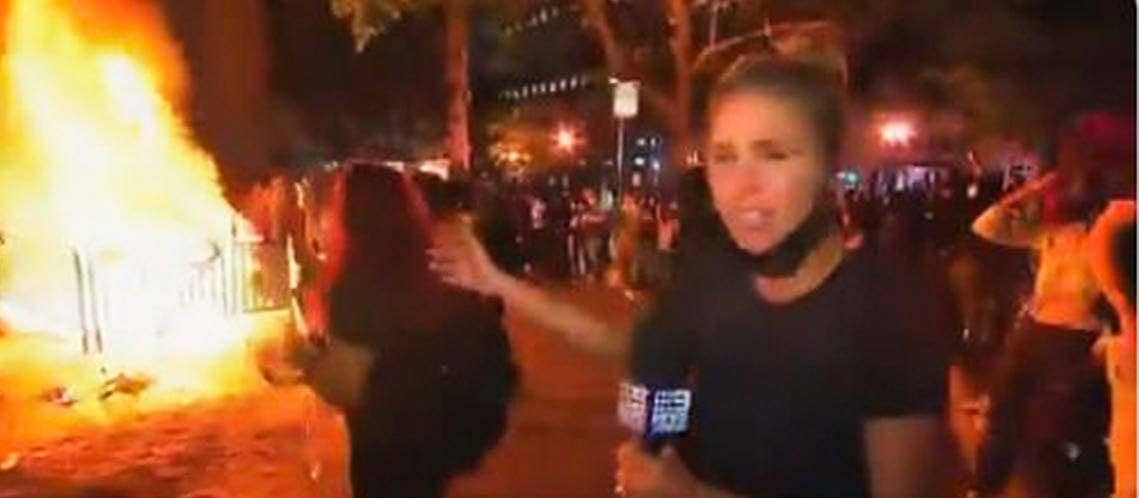
But it’s not just incensed civilians that these journalists have to watch out for. Just days earlier, on June 1, Channel Seven US correspondent Amelia Brace was hit with a baton and her cameraman Tim Myers was struck in the chest by US police while covering the Black Lives Matter protests in Washington D.C. – despite identifying themselves as media. As they attempted to head for safety, the pair were hit by rubber bullets.
The scene unfolded on live TV, with the disturbing video quickly going viral and making headlines, not just in Australia but across the globe. “It was an absolutely terrifying experience,” Brace told Sunrise the next day.


Esta historia es de la edición July 6, 2020 de WHO.
Suscríbete a Magzter GOLD para acceder a miles de historias premium seleccionadas y a más de 9000 revistas y periódicos.
¿Ya eres suscriptor? Iniciar sesión
MÁS HISTORIAS DE WHO

WHO
Tammy Hembrow - INTO THE DEEP
THE AUSSIE INFLUENCER FACES HER FEARS IN NEW REALITY TV SERIES SHARK!

2 mins
June 01, 2026

WHO
UNDER PRESSURE
Expert tips to help you stress less in 2026
2 mins
June 01, 2026

WHO
Janet Jackson
AFTER STEPPING OUT FROM THE SHADOWS OF HER FAMOUS FAMILY, THE MUSICAL ICON HAS CARVED A PATH TRUE TO HER HEART
3 mins
June 01, 2026

WHO
A BAG FOR BUSINESS
A PROBLEM AT WORK GAVE ILUKA CINDI AN ENTIRELY NEW JOB
2 mins
June 01, 2026

WHO
Worth the wait
THE ACTRESS AND SINGER SPILLS ON DODGING LABELS AND DEFYING EXPECTATIONS
5 mins
June 01, 2026

WHO
TILL DEATH DO US PART?
WHEN CAROLINE'S FIANCÉ TOLD HER A DARK SECRET, SHE HAD A HEARTBREAKING DECISION TO MAKE
2 mins
June 01, 2026

WHO
ROSAMUND PIKE - Lady of the moment
THE ACTRESS CONTINUES TO WOW AUDIENCES ON SCREEN AND ON THE STAGE
3 mins
June 01, 2026

WHO
TRUST FUND TRESSES
Why are we so obsessed with old-money hair?
1 mins
June 01, 2026

WHO
ALL GROWN UP
THESE CELEB KIDS BECAME YOUNG ADULTS IN THE BLINK OF AN EYE
3 mins
June 01, 2026

WHO
JASON BIGGS & JENNY MOLLEN - IT'S OVER
THE COUPLE CALL IT QUITS AFTER 18 YEARS
1 mins
June 01, 2026
Translate
Change font size