Try GOLD - Free
Drink Deep
Scientific American
|October 2025
New tech pulls fresh water from the bottom of the sea
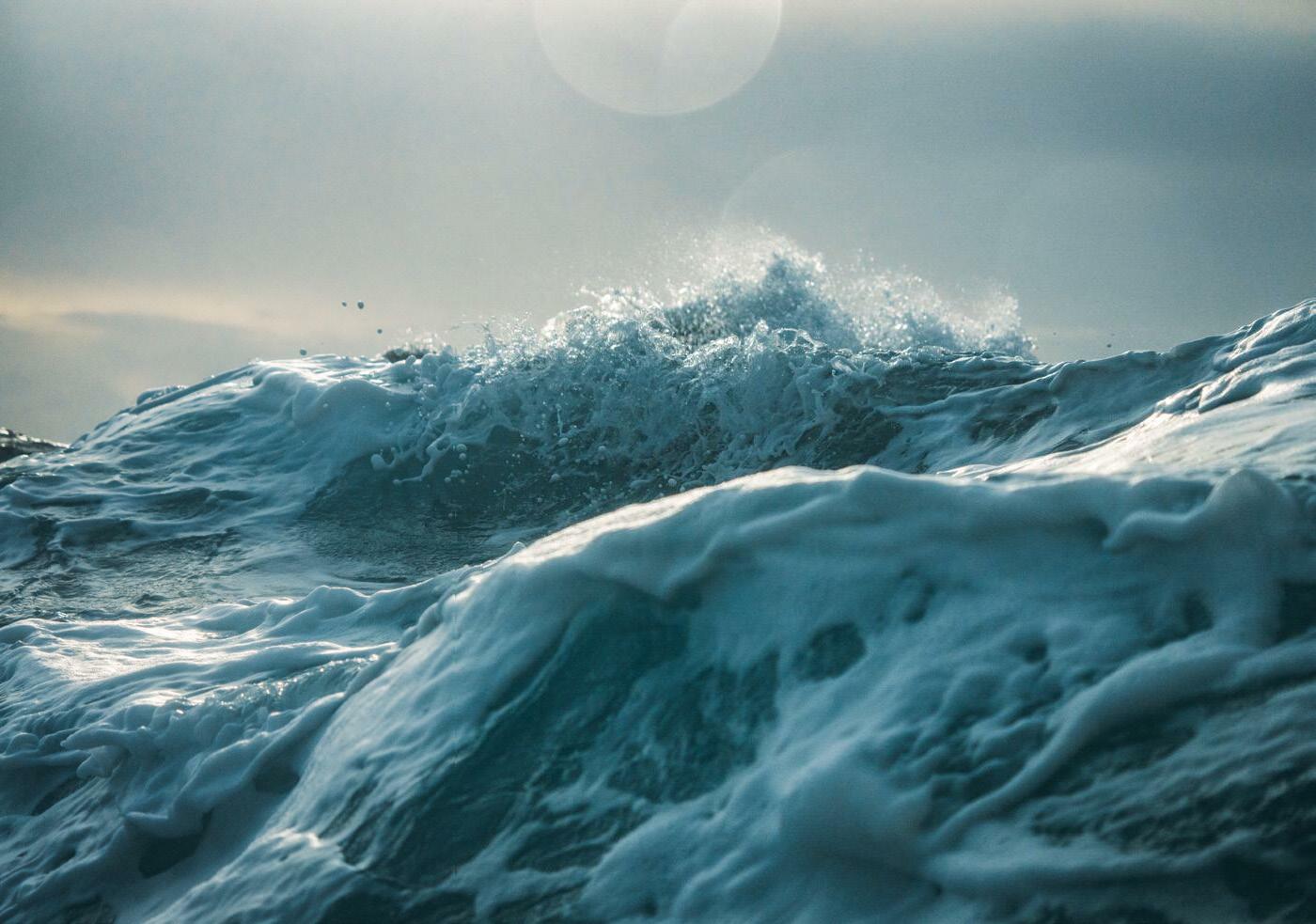
FROM CAPE TOWN TO TEHRAN to Lima to Phoenix, dozens of cities across the globe have recently experienced water shortages. In the next five years the world’s demand for fresh water could significantly outpace supply, according to a United Nations forecast. Now several companies are turning to an unexpected source for a solution: the bottom of the ocean.
Called subsea desalination, the idea is to remove the salt from water in the deep sea. If it worked at scale, the technology could greatly alleviate the world’s water-access problems.
Costs and energy requirements have kept desalination from going mainstream in most of the world. Early desalination involved boiling seawater and condensing the steam, a purely thermal method that used loads of energy. This approach was later replaced by multistage flash distillation, in which temperature and pressure “flash” salt water into steam. In the past 25 years reverse osmosis has become more common. This process uses high pressure to push seawater through a membrane with holes so small that only water molecules squeeze through, leaving salt behind.
Reverse osmosis is more efficient than distillation, but it takes a lot of energy to pressurize millions of gallons of seawater to force it through filters. What if we could let that movement happen naturally by harnessing the pressure hundreds of meters underwater?
That’s the concept behind subsea desalination. Reverse osmosis pods are submerged to depths of around 500 meters (1,600 feet), where immense hydrostatic pressure does the hard work of separating water from salt. Purified water is then pumped back to shore. Far-fetched as the setup may sound, there are multiple prototypes already at work; the companies behind them aim to take cheap, large-scale desalination from pipe dream to reality.

This story is from the October 2025 edition of Scientific American.
Subscribe to Magzter GOLD to access thousands of curated premium stories, and 10,000+ magazines and newspapers.
Already a subscriber? Sign In
MORE STORIES FROM Scientific American

Scientific American
Let There Be Weapons
The Department of Energy’s new Genesis Mission promises AI-accelerated discovery. Seven of its first 26 challenges focus on nuclear weapons and national security

4 mins
July/August 2026

Scientific American
How to Fix Science
The federal funding system for scientific research in the U.S. needs reform
9 mins
July/August 2026

Scientific American
Robots Can Now Fold Your Laundry
Home-helper tasks are becoming easier for robotic assistants
4 mins
July/August 2026

Scientific American
50, 100 & 150 Years
NATURAL FISSION REACTOR
3 mins
July/August 2026

Scientific American
Anna Ho
Describing the characteristics of short-lived astrophysical events
1 mins
July/August 2026

Scientific American
THE SOLILOQUY OF SCHRÖDINGER'S CAT
A MEDITATION ON LIFE AND THE VON NEUMANN–WIGNER INTERPRETATION OF QUANTUM MECHANICS
1 min
July/August 2026

Scientific American
Mikhail Kolmogorov
Developing software to reveal large genetic changes that lead to cancer
1 mins
July/August 2026

Scientific American
Jaye Gardiner
Learning how the matrix around cells and tissues impacts cancers
1 mins
July/August 2026

Scientific American
Timnit Gebru
On safeguarding independent research in the age of big tech
3 mins
July/August 2026

Scientific American
A Youthful Illusion Sharpens Memory
By making people feel as if their face is a younger version of itself, researchers can bring childhood memories into sharper focus
4 mins
July/August 2026
Listen
Translate
Change font size