Try GOLD - Free
Track and measure sunspots
BBC Sky at Night Magazine
|August 2025
How to find, follow and analyse these dynamic features on our ever-changing Sun
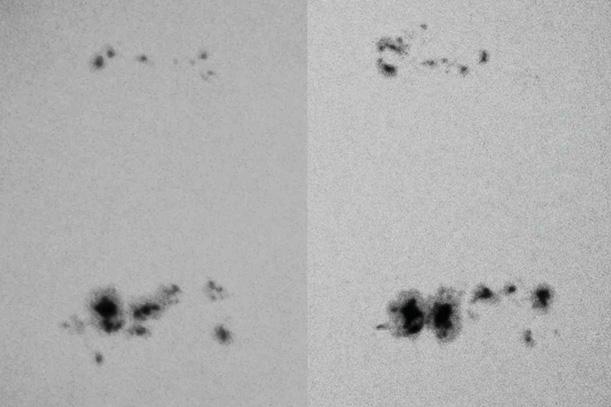
The Sun's surface often looks speckled with darker regions. These are sunspots – cooler patches that form as a result of the Sun's complex magnetic field preventing heat from reaching localised areas of the photosphere. How many you'll see varies during the 11-year solar cycle, with greater numbers during solar maximum – which we're in right now.
Humans have been observing sunspots for centuries, but we have only tracked them in detail since the telescope was invented. Originally, this meant projecting through the telescope onto a piece of white card and sketching the result. These days, observing and photographing the Sun is done either with a certified solar filter on the front of a telescope or a Herschel wedge on the back of a refractor.
Sunspots are related to intense magnetic activity and are often associated with solar flares and coronal mass ejections. These in turn are responsible for geomagnetic storms on Earth. While these produce stunning aurorae, they also impact spacecraft, satellites and infrastructure like the power grid, as well as the health of pilots and astronauts.
Check for spots
This is why solar activity is monitored constantly, not just by ground-based observations here on Earth but also via satellites such as the Solar Dynamics Observatory (SDO). The multi-wavelength images that the SDO creates are freely available to download, so you can measure, track and analyse sunspots even if you don't have a telescope.

This story is from the August 2025 edition of BBC Sky at Night Magazine.
Subscribe to Magzter GOLD to access thousands of curated premium stories, and 10,000+ magazines and newspapers.
Already a subscriber? Sign In
MORE STORIES FROM BBC Sky at Night Magazine
BBC Sky at Night Magazine
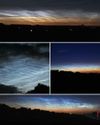
Capture NLCs with a smartphone
Make this the summer that you nail a shot of beautiful night-shining clouds

3 mins
July 2026

BBC Sky at Night Magazine
ZWO Seestar S30 Pro smart telescope
ZWO Seestar S30 Pro smart telescope
4 mins
July 2026
BBC Sky at Night Magazine
The speed of light
The Universe has a speed limit - and it underpins everything we know about it. We explain the speed of light and its far-reaching implications for astronomy
2 mins
July 2026
BBC Sky at Night Magazine
COMETS AND ASTEROIDS
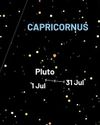
Can you spot dim, barely moving Pluto?
1 min
July 2026
BBC Sky at Night Magazine
THE SKY GUIDE CHALLENGE
What's the youngest Moon you can photograph? Try our ‘impossible’ challenge
2 mins
July 2026

BBC Sky at Night Magazine
Q&A WITH A SCIENCE COMMUNICATOR
As we find more planets in the habitable zones around other suns, we ask Neil deGrasse Tyson what would happen if we did meet intelligent alien life
3 mins
July 2026
BBC Sky at Night Magazine
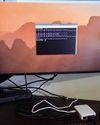
Make an all-sky camera
How to set up an always-watching system to catch fleeting sky events
3 mins
July 2026
BBC Sky at Night Magazine
The Universe doesn't need a multiverse
The Universe doesn't need a multiverse The idea that there are many universes seems to solve our most stubborn cosmic mysteries. But, argues Brian Clegg, it's no substitute for hard evidence
2 mins
July 2026
BBC Sky at Night Magazine
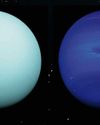
Planets of mystery
Uranus and Neptune – visited just once, 40 years ago – are the least-known planets in our Solar System. Now 21st-century science has revealed they may not even be the ‘ice giants’ we thought. Joseph Phelan investigates
6 mins
July 2026
BBC Sky at Night Magazine
THE BIG THREE
The top sights to observe or image this month
4 mins
July 2026
Listen
Translate
Change font size