Try GOLD - Free
The science of SCI-FI
BBC Sky at Night Magazine
|February 2025
We love a good sci-fi film, but do they get the science right? Amy Arthur picks six of the big mistakes made in space films
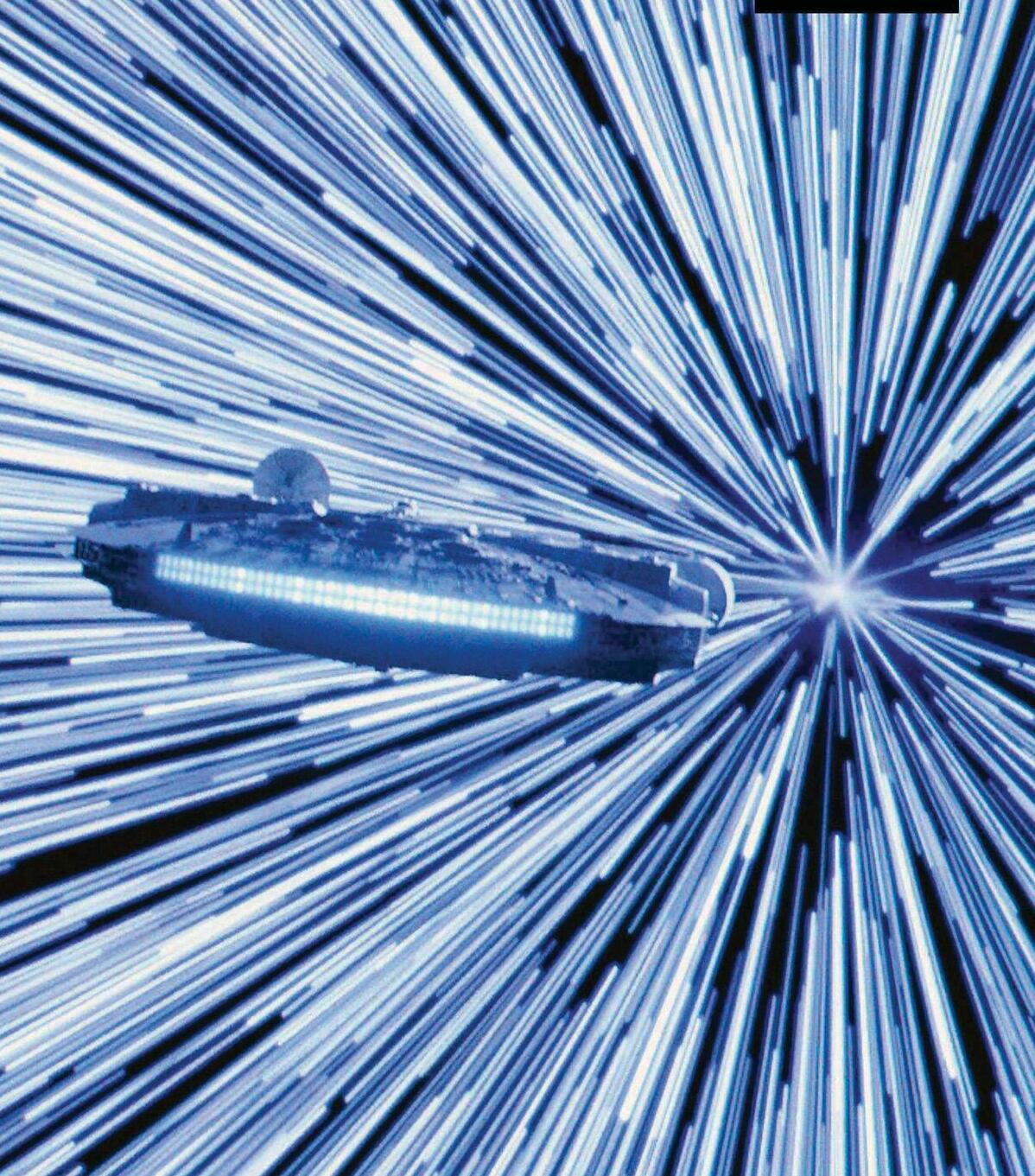
Hollywood's greatest sci-fi blockbusters have taken us to the stars, introduced alien worlds and imagined humanity's future in the cosmos. But how often do they get the science right? In the rush to thrill and entertain, filmmakers often sacrifice realism for dramatic effect.
From explosive sound in the vacuum of space to impossibly fast interstellar travel, these cinematic liberties stretch - and sometimes break - the boundaries of actual science.
Here we take a look at six common mistakes that Hollywood makes about space science, unravelling the truth behind the fiction. What would really happen if there was a fire in space? Is warp speed actually possible? And could you have a punch-up in zero gravity? Get ready for science to set the record straight, proving that reality can be just as fascinating as fiction.
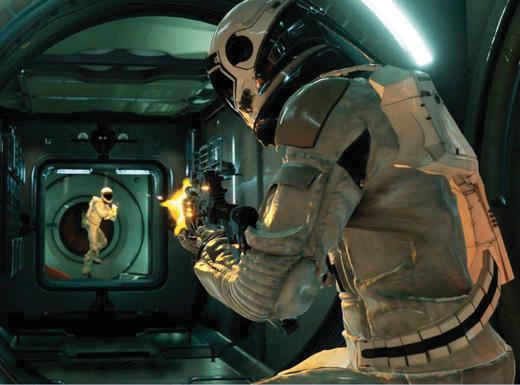 Fire in microgravity
Flames in space shouldn't behave like they do at home
Fire can't start in the vacuum of space, as there is no oxygen available for combustion. They can, however, start inside a spacecraft or space station that has oxygenated air for passengers. Any fire in space would look and behave differently than the lit candles on your birthday cake back at home, though, and that's down to gravity.
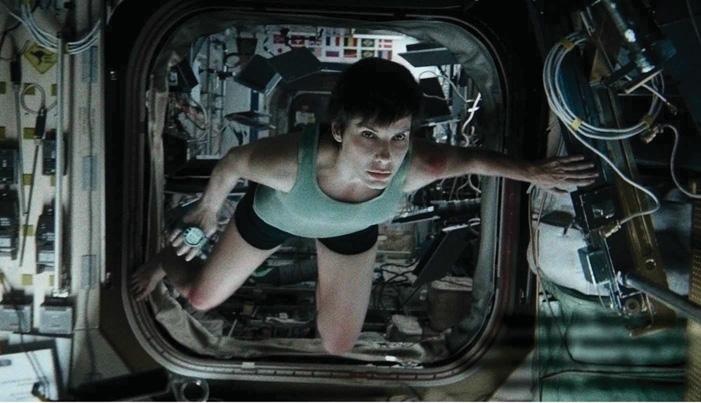 The typical teardrop shape of a burning candle on Earth is caused by the effects of gravity: hotter air is less dense, so it rises to the top of a flame in a peak. This also pulls in cooler, more oxygenated air, keeping the fire going.

This story is from the February 2025 edition of BBC Sky at Night Magazine.
Subscribe to Magzter GOLD to access thousands of curated premium stories, and 10,000+ magazines and newspapers.
Already a subscriber? Sign In
MORE STORIES FROM BBC Sky at Night Magazine

BBC Sky at Night Magazine
Capture NLCs with a smartphone
Make this the summer that you nail a shot of beautiful night-shining clouds

3 mins
July 2026
BBC Sky at Night Magazine
ZWO Seestar S30 Pro smart telescope
ZWO Seestar S30 Pro smart telescope
4 mins
July 2026
BBC Sky at Night Magazine
The speed of light
The Universe has a speed limit - and it underpins everything we know about it. We explain the speed of light and its far-reaching implications for astronomy
2 mins
July 2026
BBC Sky at Night Magazine
COMETS AND ASTEROIDS
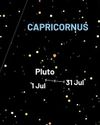
Can you spot dim, barely moving Pluto?
1 min
July 2026

BBC Sky at Night Magazine
THE SKY GUIDE CHALLENGE
What's the youngest Moon you can photograph? Try our ‘impossible’ challenge
2 mins
July 2026
BBC Sky at Night Magazine
Q&A WITH A SCIENCE COMMUNICATOR
As we find more planets in the habitable zones around other suns, we ask Neil deGrasse Tyson what would happen if we did meet intelligent alien life
3 mins
July 2026
BBC Sky at Night Magazine
Make an all-sky camera
How to set up an always-watching system to catch fleeting sky events
3 mins
July 2026
BBC Sky at Night Magazine
The Universe doesn't need a multiverse
The Universe doesn't need a multiverse The idea that there are many universes seems to solve our most stubborn cosmic mysteries. But, argues Brian Clegg, it's no substitute for hard evidence
2 mins
July 2026
BBC Sky at Night Magazine
Planets of mystery
Uranus and Neptune – visited just once, 40 years ago – are the least-known planets in our Solar System. Now 21st-century science has revealed they may not even be the ‘ice giants’ we thought. Joseph Phelan investigates
6 mins
July 2026
BBC Sky at Night Magazine
THE BIG THREE
The top sights to observe or image this month
4 mins
July 2026
Listen
Translate
Change font size