Denemek ALTIN - Özgür
The science of SCI-FI
BBC Sky at Night Magazine
|February 2025
We love a good sci-fi film, but do they get the science right? Amy Arthur picks six of the big mistakes made in space films
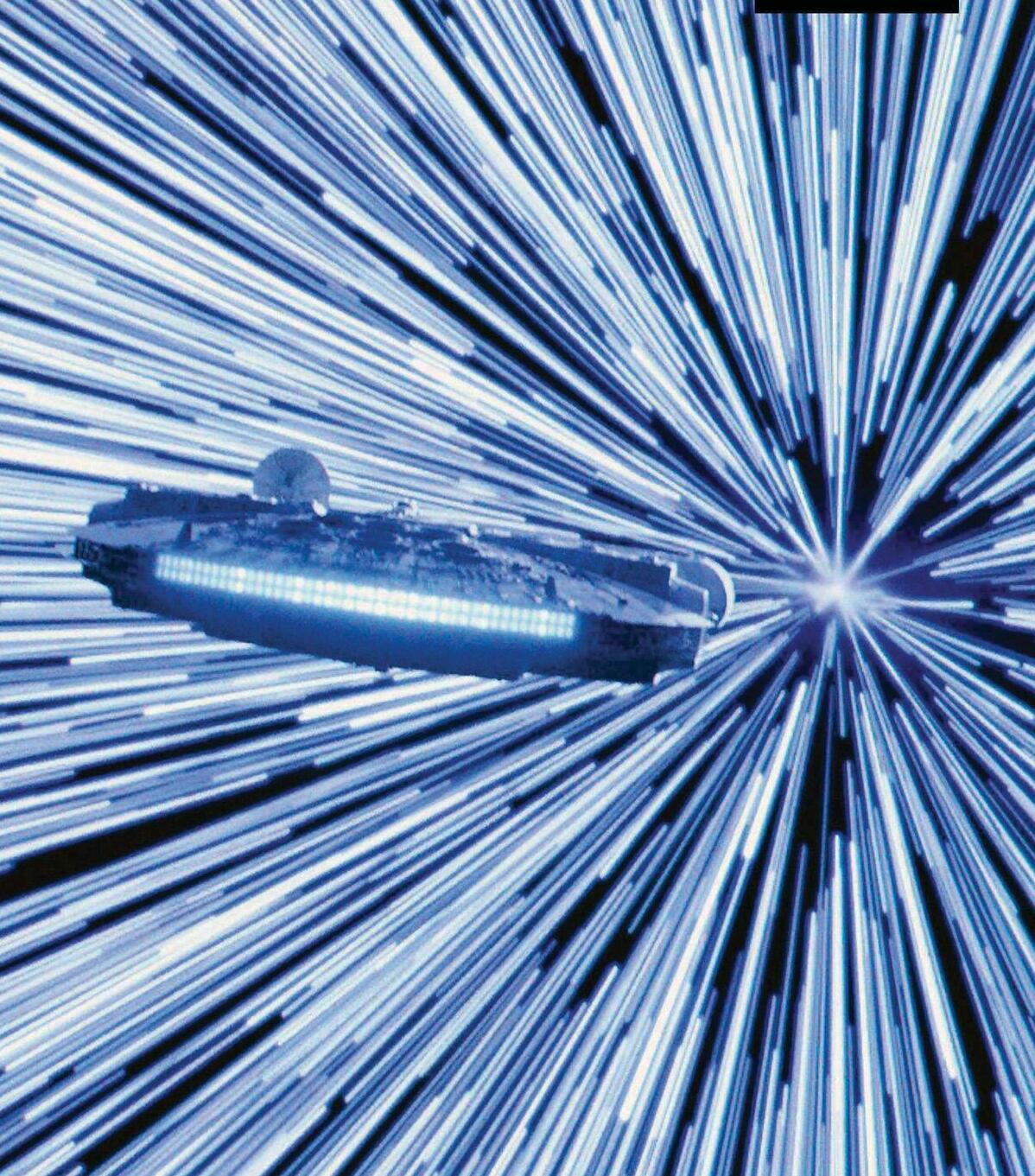
Hollywood's greatest sci-fi blockbusters have taken us to the stars, introduced alien worlds and imagined humanity's future in the cosmos. But how often do they get the science right? In the rush to thrill and entertain, filmmakers often sacrifice realism for dramatic effect.
From explosive sound in the vacuum of space to impossibly fast interstellar travel, these cinematic liberties stretch - and sometimes break - the boundaries of actual science.
Here we take a look at six common mistakes that Hollywood makes about space science, unravelling the truth behind the fiction. What would really happen if there was a fire in space? Is warp speed actually possible? And could you have a punch-up in zero gravity? Get ready for science to set the record straight, proving that reality can be just as fascinating as fiction.
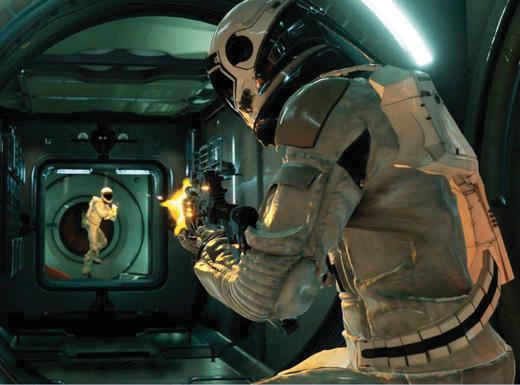 Fire in microgravity
Flames in space shouldn't behave like they do at home
Fire can't start in the vacuum of space, as there is no oxygen available for combustion. They can, however, start inside a spacecraft or space station that has oxygenated air for passengers. Any fire in space would look and behave differently than the lit candles on your birthday cake back at home, though, and that's down to gravity.
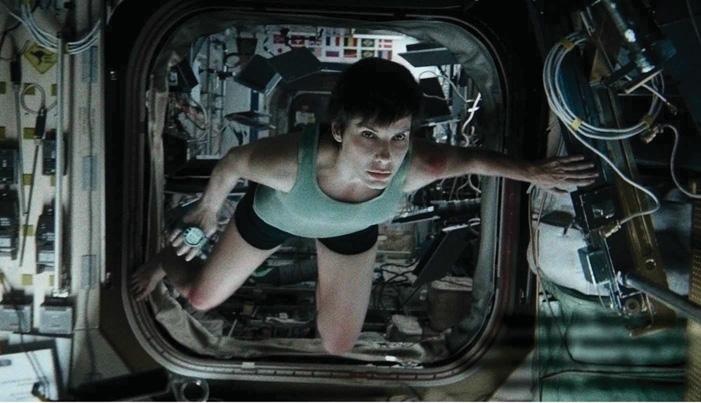 The typical teardrop shape of a burning candle on Earth is caused by the effects of gravity: hotter air is less dense, so it rises to the top of a flame in a peak. This also pulls in cooler, more oxygenated air, keeping the fire going.

Bu hikaye BBC Sky at Night Magazine dergisinin February 2025 baskısından alınmıştır.
Binlerce özenle seçilmiş premium hikayeye ve 9.000'den fazla dergi ve gazeteye erişmek için Magzter GOLD'a abone olun.
Zaten abone misiniz? Oturum aç
BBC Sky at Night Magazine'den DAHA FAZLA HİKAYE
BBC Sky at Night Magazine
The Giant Leap: Why Space is the Next Frontier in the Evolution of Life
“Earth is the cradle of humanity, but one cannot live in the cradle forever,” wrote Konstantin Tsiolkovsky in 1911.

1 mins
February 2026
BBC Sky at Night Magazine
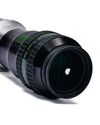
Tele Vue Nagler Type-7 series eyepieces
These premium optics were inspired by Apollo - and deliver a giant leap to your views
4 mins
February 2026
BBC Sky at Night Magazine
Once Upon a Time in Space
While the Space Race of the Cold War years was ultimately a geopolitical contest between the USA and the Soviet Union, the rivalry sparked rapid innovation and inspired multiple generations to look skyward.
1 mins
February 2026
BBC Sky at Night Magazine
The Multiverse: When One Universe Isn't Enough
The concept of a 'multiverse' – the idea that our Universe may be just one of many – is widespread in science fiction and a common thread of online discussions.
1 mins
February 2026
BBC Sky at Night Magazine
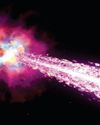
Q&A WITH A GAMMA RAY SPECIALIST
In 2025, astronomers detected a blast from space that lasted seven hours. Now they're uncovering the strange processes behind the exceptional outburst
3 mins
February 2026
BBC Sky at Night Magazine
Astronomy Photographer of the Year
The world-leading astrophotography competition returns. Could your image take the top prize of £10,000?
2 mins
February 2026
BBC Sky at Night Magazine
MOONWATCH
February's top lunar feature to observe
2 mins
February 2026
BBC Sky at Night Magazine
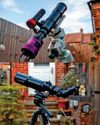
NOVAStar Scarlet A62Q 62mm f/8.4 quadruplet achromatic refractor
Well-built and capable, this beginner scope punches well above its bargain price
4 mins
February 2026
BBC Sky at Night Magazine
STAR OF THE MONTH
Rasalas, Leo the Lion's metal-rich crown
1 min
February 2026
BBC Sky at Night Magazine
Comet 24P/Schaumasse
Having reached perihelion on 8 January, comet 24P/ Schaumasse is now fading. Starting the month at a small-telescope-friendly mag. +10.5, it dims throughout February to below 12th magnitude.
1 min
February 2026
Listen
Translate
Change font size