Try GOLD - Free
Wikipedia's founder reveals the biggest threats facing the site
BBC Science Focus
|December 2025
Almost 25 years and millions of articles after it launched, Wikipedia has become the biggest bank of human knowledge on the web. But Al, Elon Musk and the culture wars could change everything, says Jimmy Wales
-
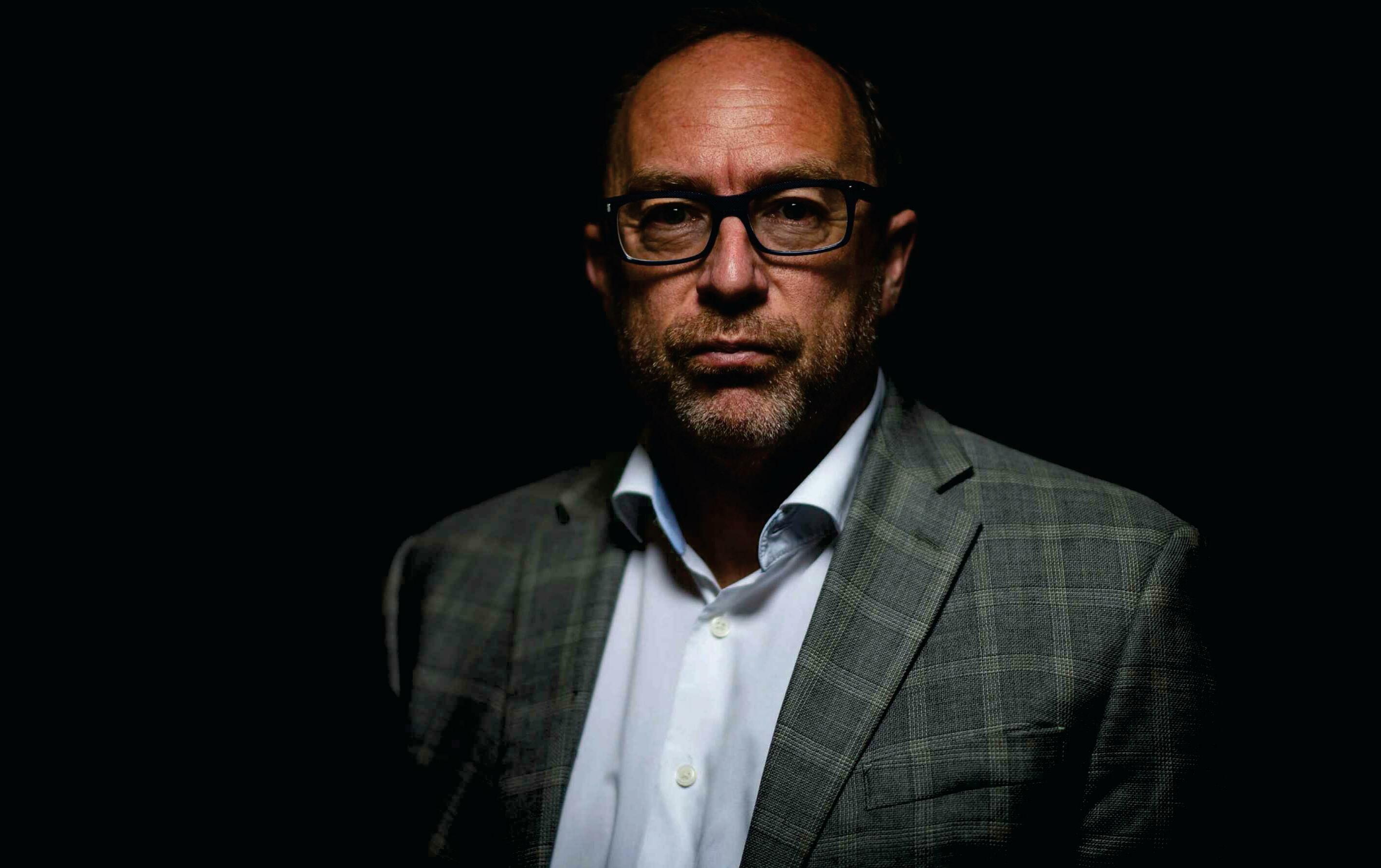
Few websites are as well-known as Wikipedia. The online encyclopedia was founded in 2001 by American tech entrepreneur Jimmy Wales, who, at the time, was working on a similar, expert-led project called Nupedia.
Nupedia didn't work out, but its successor, Wikipedia, has become one of the most influential sites on the internet. Today, its English-language edition alone hosts more than seven million articles.
Much has changed in the 25 years since its launch, however, both online and in the real world. Facts seemingly carry less weight when they can be easily written off as fake news, and artificial intelligence is raising questions about where information comes from and how we use it.
Wales's new book The Seven Rules of Trust, addresses some of these concerns. BBC Science Focus sat down with him to find out more about the challenges of maintaining trust.
YOU'VE CALLED SOCIAL MEDIA THE PLACE WHERE TRUST GOES TO DIE. CAN WIKIPEDIA STILL COMPETE WITH IT?
I think we can definitely compete with it. I'm not sure that I think of social media so much as competition – not for business or traffic or anything like that.
Clearly, there's a broad need for a shift away from culture wars towards a more thoughtful, reflective way of dealing with each other, accepting people with differences and having more dialogue across dividing lines.

This story is from the December 2025 edition of BBC Science Focus.
Subscribe to Magzter GOLD to access thousands of curated premium stories, and 10,000+ magazines and newspapers.
Already a subscriber? Sign In
MORE STORIES FROM BBC Science Focus
BBC Science Focus
HEALTH: Eating oats could lower your cholesterol in just two days
The health benefits of a two-day porridge diet lasted for weeks afterwards

1 mins
April 2026
BBC Science Focus
Most people are too sure they can identify fake human faces
Even 'super recognisers' struggle with the challenge. Can you do better?
1 min
April 2026
BBC Science Focus
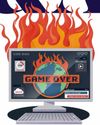
WHAT'S THE WORST THING YOU CAN DO FOR THE PLANET ONLINE?
Human beings can barely move a muscle without some kind of deleterious effect on the environment around us.
2 mins
April 2026
BBC Science Focus
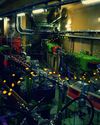
A bug in the system
The complex arrangement of equipment you see here is part of a particle accelerator.
1 min
April 2026
BBC Science Focus
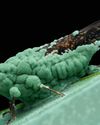
Snug as a bug in a rug
At first glance, you might feel envious of this little leafhopper, swaddled beneath the folds of what appears to be a luxurious fur blanket.
1 min
April 2026
BBC Science Focus
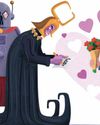
WHY DO WE ROOT FOR THE VILLAIN IN MOVIES?
Whether it's Darth Vader or Cruella de Vil, we all have a favourite movie villain.
1 mins
April 2026
BBC Science Focus
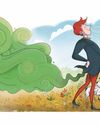
A TURN TO DISPERSE
Why a fart walk after dinner does more than release your gas
3 mins
April 2026
BBC Science Focus
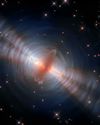
Hatching a nebula
Welcome to the Egg Nebula, an enigmatic structure formed by ejected stardust in the Cygnus constellation around 1,000 light-years from Earth.
1 min
April 2026

BBC Science Focus
7 TIMES AI GOT IT SPECTACULARLY WRONG
For the past four years, AI has been reshaping how we work and live. But its failures are proving just as transformative as its triumphs
8 mins
April 2026
BBC Science Focus
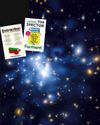
CHARLES ADCOCK, VIA EMAIL: COULD DARK MATTER BE ALL AROUND PLANET EARTH BUT UNDETECTABLE?
Astronomers have gathered overwhelming evidence that 80 per cent of all matter in the Universe is invisible.
1 min
April 2026
Listen
Translate
Change font size