
Magzter GOLDで無制限に
10,000以上の雑誌、新聞、プレミアム記事に無制限にアクセスできます。
試す 金 - 無料
Wikipedia's founder reveals the biggest threats facing the site
BBC Science Focus
|December 2025
Almost 25 years and millions of articles after it launched, Wikipedia has become the biggest bank of human knowledge on the web. But Al, Elon Musk and the culture wars could change everything, says Jimmy Wales
-
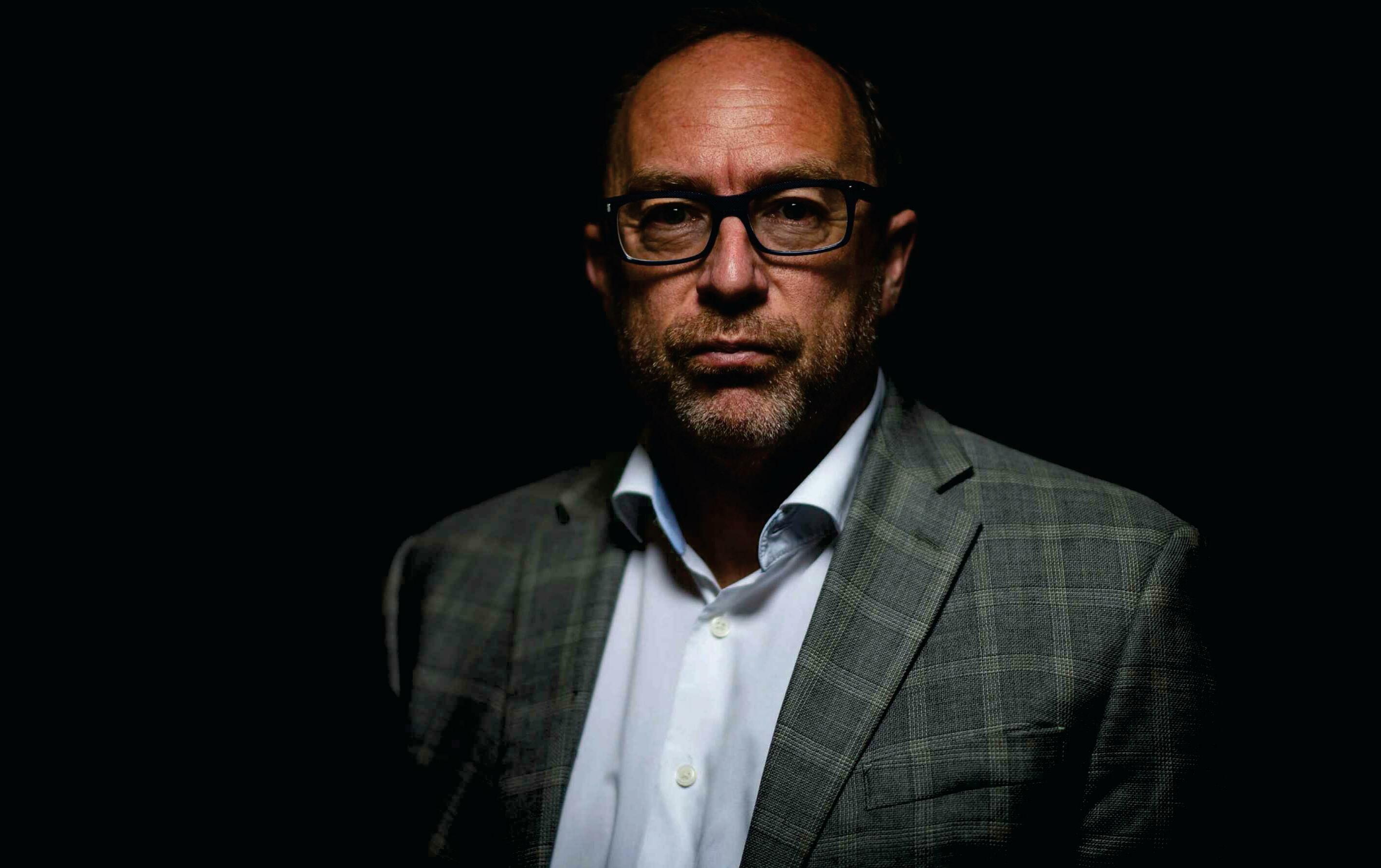
Few websites are as well-known as Wikipedia. The online encyclopedia was founded in 2001 by American tech entrepreneur Jimmy Wales, who, at the time, was working on a similar, expert-led project called Nupedia.
Nupedia didn't work out, but its successor, Wikipedia, has become one of the most influential sites on the internet. Today, its English-language edition alone hosts more than seven million articles.
Much has changed in the 25 years since its launch, however, both online and in the real world. Facts seemingly carry less weight when they can be easily written off as fake news, and artificial intelligence is raising questions about where information comes from and how we use it.
Wales's new book The Seven Rules of Trust, addresses some of these concerns. BBC Science Focus sat down with him to find out more about the challenges of maintaining trust.
YOU'VE CALLED SOCIAL MEDIA THE PLACE WHERE TRUST GOES TO DIE. CAN WIKIPEDIA STILL COMPETE WITH IT?
I think we can definitely compete with it. I'm not sure that I think of social media so much as competition – not for business or traffic or anything like that.
Clearly, there's a broad need for a shift away from culture wars towards a more thoughtful, reflective way of dealing with each other, accepting people with differences and having more dialogue across dividing lines.
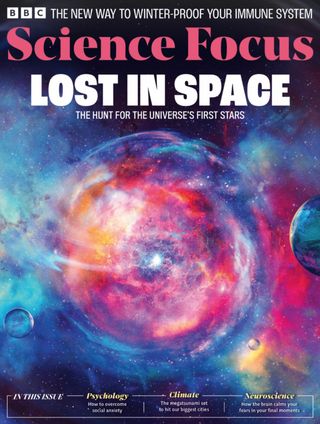

このストーリーは、BBC Science Focus の December 2025 版からのものです。
Magzter GOLD を購読すると、厳選された何千ものプレミアム記事や、10,000 以上の雑誌や新聞にアクセスできます。
すでに購読者ですか? サインイン
BBC Science Focus からのその他のストーリー

BBC Science Focus
World's biggest cobweb is home to 100,000 spiders
Spiders don't normally create such large colonies, so there's no need to worry about finding one in your basement

1 min
February 2026

BBC Science Focus
A dementia vaccine could be gamechanging – and available already
Getting vaccinated against shingles could protect you from getting dementia, or slow the progression of the disease
1 mins
February 2026

BBC Science Focus
DATA IN SPACE
An unusual spacecraft reached orbit in November 2025, one that might herald the dawn of a new era.
7 mins
February 2026
BBC Science Focus
Climate change is already shrinking your salary
No matter where you live, a new study has found warmer temperatures are picking your pocket
4 mins
February 2026
BBC Science Focus
A MENTAL HEALTH GLOW-UP
Forget fine lines. Could Botox give you an unexpected mental health tweakment?
3 mins
February 2026
BBC Science Focus
Most people with high cholesterol gene don't know they have it
Standard testing struggles to detect the condition
1 mins
February 2026

BBC Science Focus
HOW CAN I BOOST MY IQ?
If you're serious about getting smarter, it's time to ditch the brain-training apps
4 mins
February 2026
BBC Science Focus
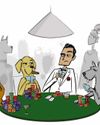
Humans are absolutely terrible at reading dogs' emotions
Think you can tell how our furry friends are feeling? Think again
1 mins
February 2026

BBC Science Focus
HOW TO TEACH AI RIGHT FROM WRONG
If we want to get good responses from AI, we may need to see what it does when we ask it to be evil
3 mins
February 2026
BBC Science Focus
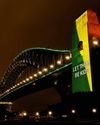
What Australia's social media ban could really mean for under-16s
Many people think social media is bad for our kids. Australia is trying to prove it
5 mins
February 2026
Listen
Translate
Change font size