
Go Unlimited with Magzter GOLD
Get unlimited access to 10,000+ magazines, newspapers and Premium stories for just
Try GOLD - Free
HEATQuakes
BBC Science Focus
|September 2025
Climate change isn't warming the planet, it's shaking Earth's foundations
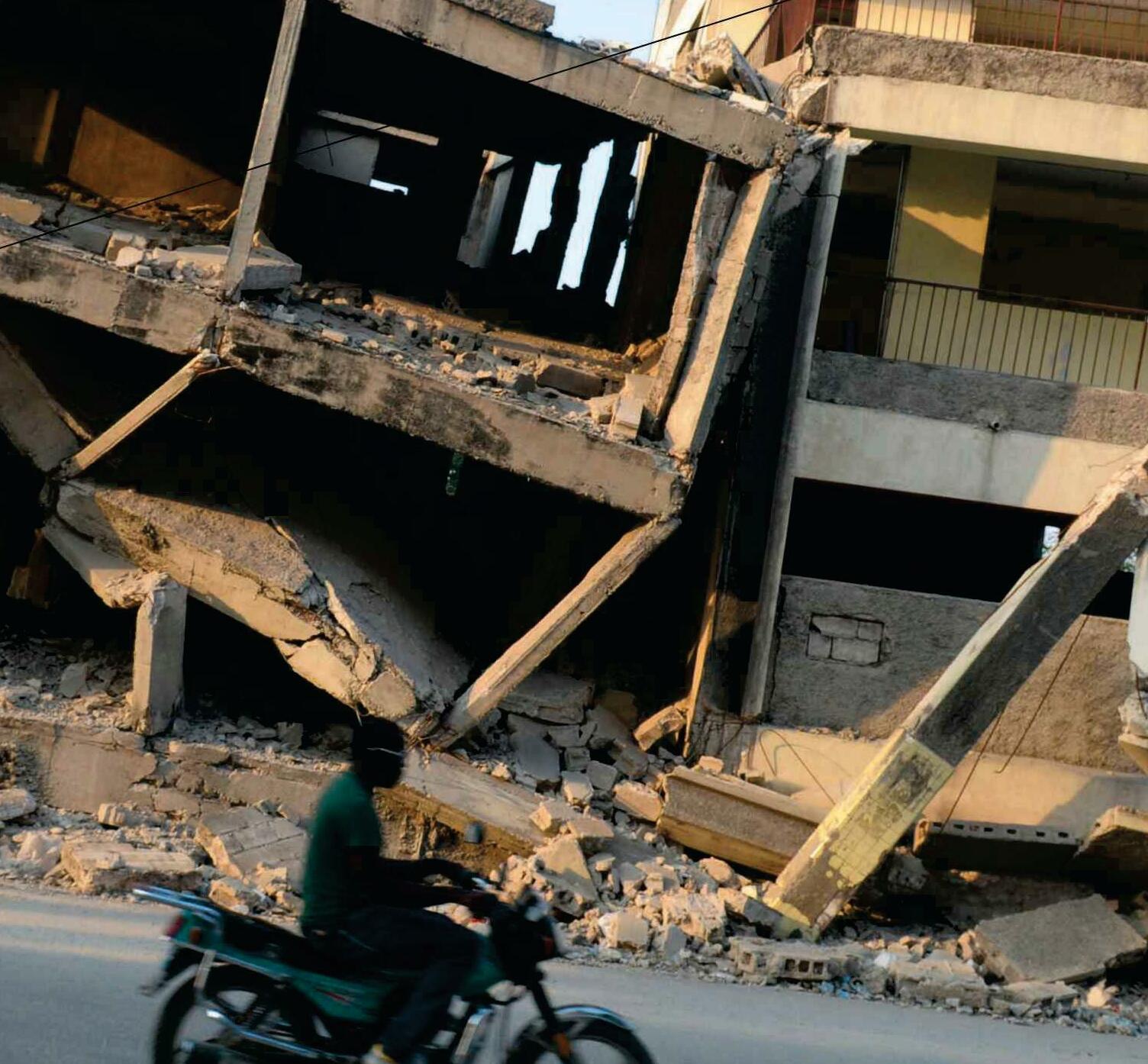
Astonishingly, earthquakes shake the US state of California almost 9,000 times a year, on average — that’s about once every hour. California's official nickname is the Golden State, harking back to the mid-19th-century gold rush that saw its population explode in just four years, from 14,000 to a quarter of a million. But if you've ever been lucky enough to visit and felt the ground move beneath your feet, you'll probably agree that ‘the Earthquake State’ is a far better fit.
None of this should be a surprise given that it hosts the San Andreas Fault, where two of the world’s great tectonic plates — the North American plate to the east and the Pacific plate to the west - meet.
California has attracted the world’s attention in recent years, not for its earthquakes, but more for its wildfires and flash floods — all supercharged by global heating and its disruption of our once-stable climate. The news, then, that such extreme weather could also promote earthquake activity is far from welcome in one of the planet's biggest seismic hotspots.
GEOLOGICAL CONSEQUENCES
When we think about climate change, it’s usually in terms of how the atmosphere and oceans are heating up. The idea that it can also affect the ground beneath our feet seems almost laughable. Nonetheless, it’s true.
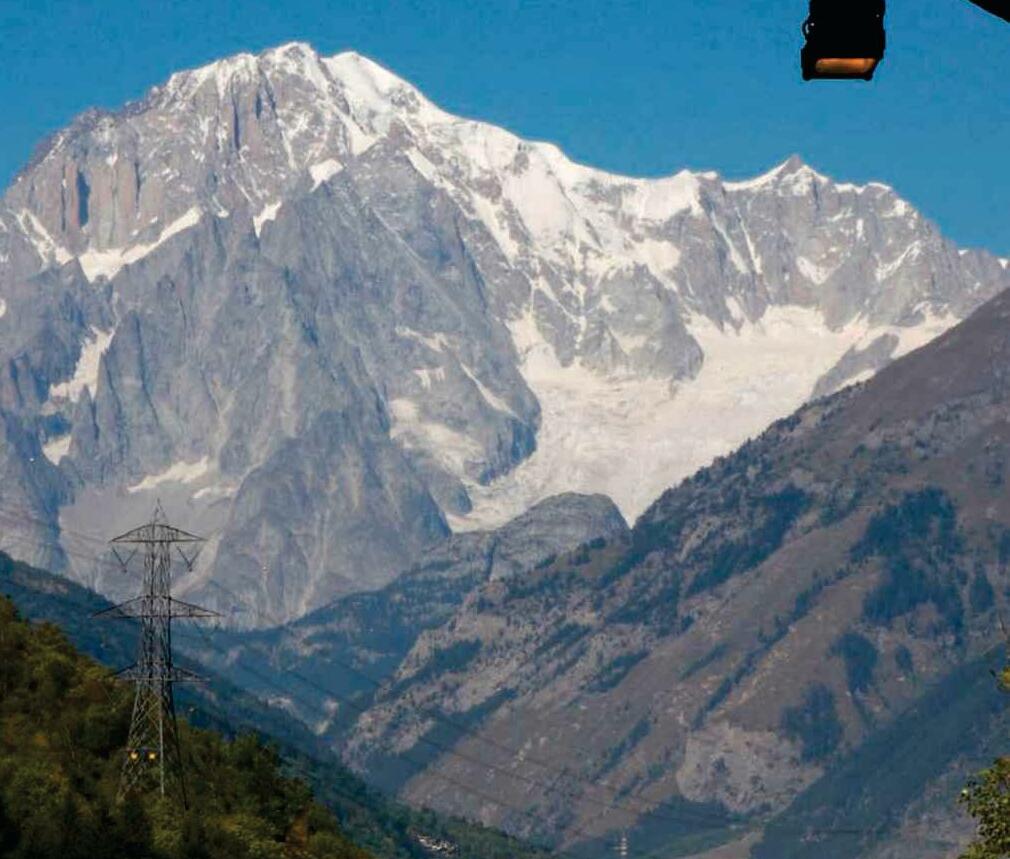
For decades, I've been researching how the climate can drive deadly geological phenomena, like earthquakes, tsunamis and volcanic eruptions, and the evidence is absolutely clear. The latest piece of research by the Swiss Seismological Service, published this summer, links swarms of small tremors beneath Mont Blanc in the European Alps to rapid thawing of ice and snow during a heatwave in 2015.

This story is from the September 2025 edition of BBC Science Focus.
Subscribe to Magzter GOLD to access thousands of curated premium stories, and 10,000+ magazines and newspapers.
Already a subscriber? Sign In
MORE STORIES FROM BBC Science Focus
BBC Science Focus
HOW FISH COULD SAVE MILLIONS OF PEOPLE'S SIGHT
There's nowhere near enough donors to meet the demand for corneal transplants. A pioneering treatment that relies on fish scales could change that

3 mins
May 2026

BBC Science Focus
Your Wi-Fi is lying to you
Wi-Fi 7's giant speed claims might look impressive, but the realities of our homes – and the laws of physics – mean that real-world performance will never get close
6 mins
May 2026

BBC Science Focus
WHICH ANIMAL IS MOST LIKELY TO ESCAPE FROM THE ZOO?
Have you heard the one about the monkey and the Yorkshire pudding?
2 mins
May 2026

BBC Science Focus
THE BLACK SERVAL
The black serval (Leptailurus serval) is an unusual, melanistic version of the African serval, a medium-sized wild cat that's native to Africa.
2 mins
May 2026
BBC Science Focus
Cryosleep vs hibernation: What's the difference?
When hibernating animals, such as hedgehogs and dormice, disappear for winter, they don't freeze like the Siberian salamander.
1 mins
May 2026
BBC Science Focus
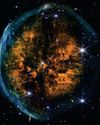
Space brain
The greatest names in science are often said to be 'big-brained', but this cosmic wonder puts them all to shame. Nebula PMR 1 - otherwise known as the 'Exposed Cranium' nebula for its distinctive shape - measures around 3.2 light-years across.
1 min
May 2026

BBC Science Focus
Your most draining relationships are taking years off your life, study suggests
Difficult people don't just zap your energy - they may also accelerate your biological ageing
4 mins
May 2026

BBC Science Focus
DOES EARTH HAVE A HEARTBEAT?
Move over, Ringo Starr.
1 mins
May 2026
BBC Science Focus
WEIGHT-LOSS DRUGS FOR ALL?
The obesity crisis is ruining lives and costing governments trillions. But some healthcare experts think there's now a radical solution: roll out GLP-1 jabs to everyone who needs them for free. Could it work?
9 mins
May 2026
BBC Science Focus
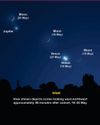
HOW TO SEE VENUS ON APPROACH TO JUPITER
Venus has been slowly moving away from the Sun's glare over the past few weeks, heading into the evening twilight after sunset.
1 mins
May 2026
Listen
Translate
Change font size