Prøve GULL - Gratis
HEATQuakes
BBC Science Focus
|September 2025
Climate change isn't warming the planet, it's shaking Earth's foundations
Astonishingly, earthquakes shake the US state of California almost 9,000 times a year, on average — that’s about once every hour. California's official nickname is the Golden State, harking back to the mid-19th-century gold rush that saw its population explode in just four years, from 14,000 to a quarter of a million. But if you've ever been lucky enough to visit and felt the ground move beneath your feet, you'll probably agree that ‘the Earthquake State’ is a far better fit.
None of this should be a surprise given that it hosts the San Andreas Fault, where two of the world’s great tectonic plates — the North American plate to the east and the Pacific plate to the west - meet.
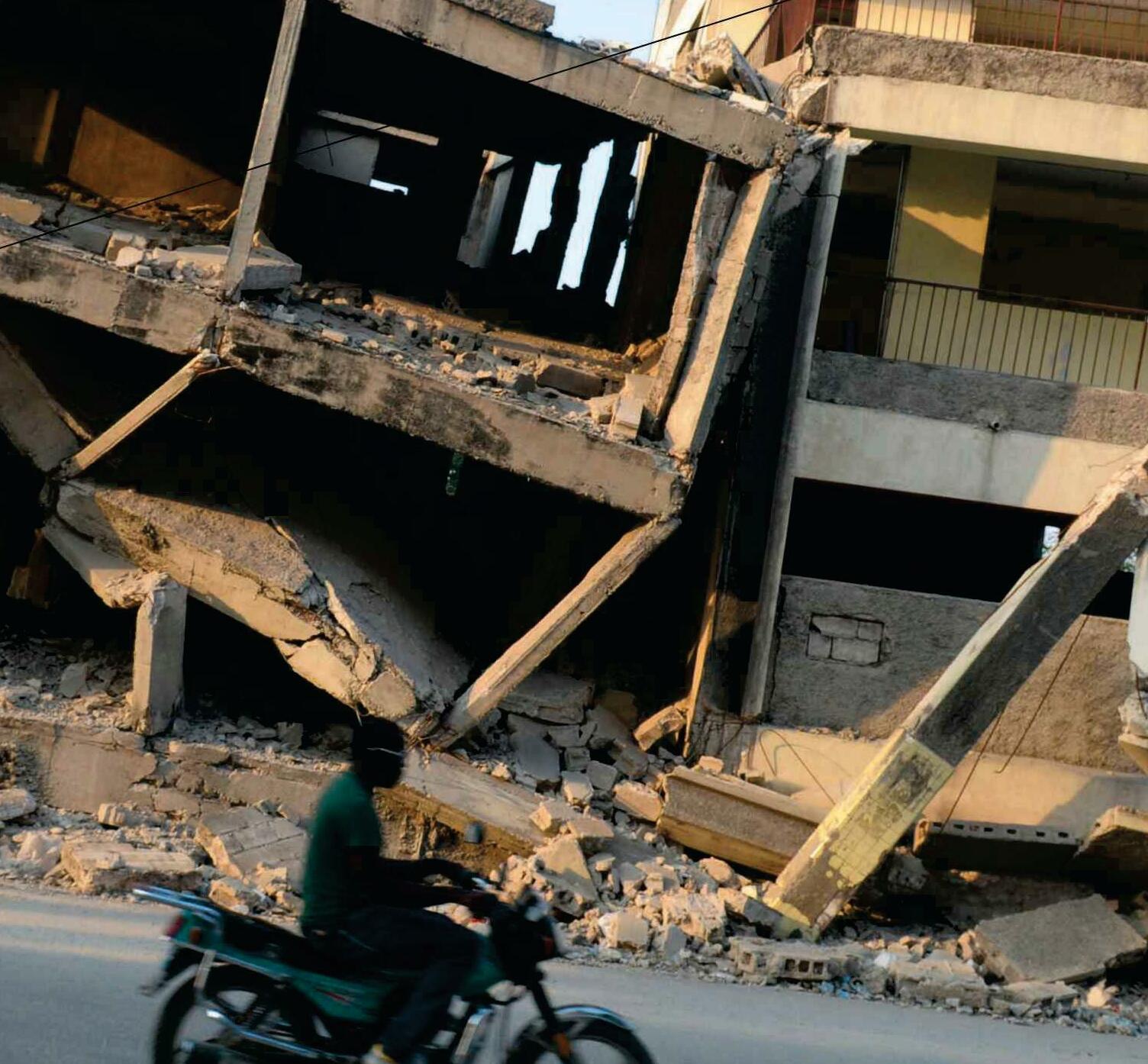
California has attracted the world’s attention in recent years, not for its earthquakes, but more for its wildfires and flash floods — all supercharged by global heating and its disruption of our once-stable climate. The news, then, that such extreme weather could also promote earthquake activity is far from welcome in one of the planet's biggest seismic hotspots.
GEOLOGICAL CONSEQUENCES
When we think about climate change, it’s usually in terms of how the atmosphere and oceans are heating up. The idea that it can also affect the ground beneath our feet seems almost laughable. Nonetheless, it’s true.
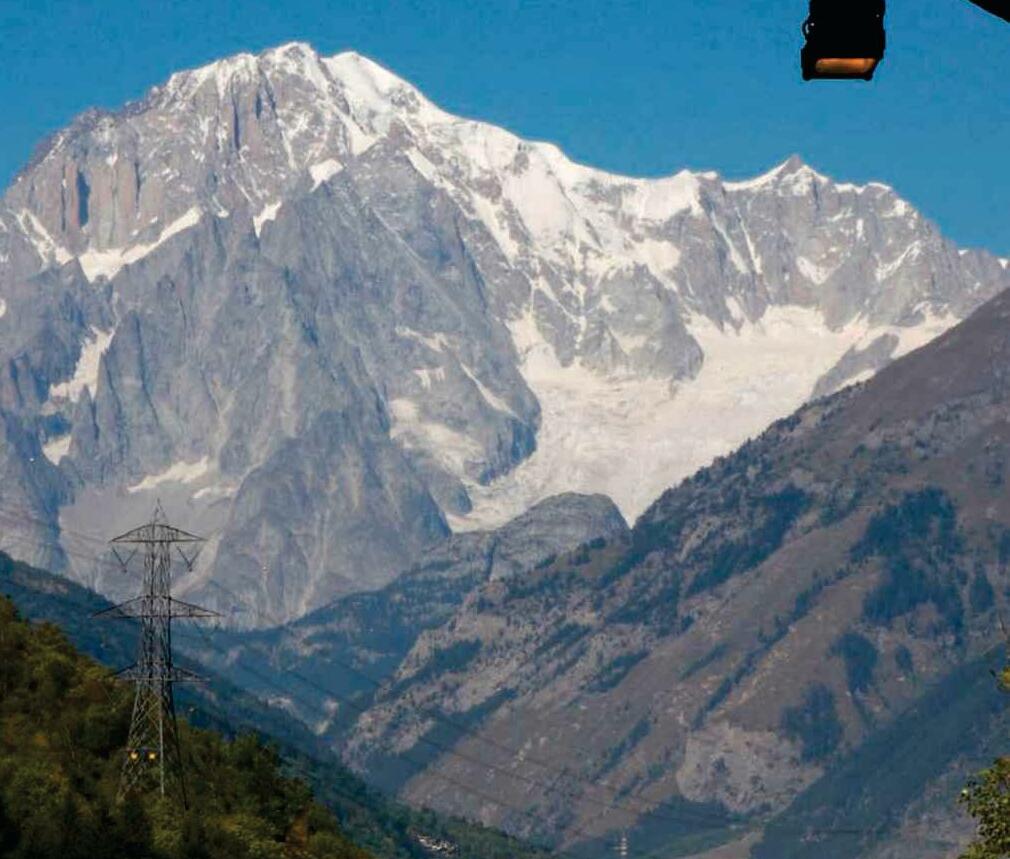
For decades, I've been researching how the climate can drive deadly geological phenomena, like earthquakes, tsunamis and volcanic eruptions, and the evidence is absolutely clear. The latest piece of research by the Swiss Seismological Service, published this summer, links swarms of small tremors beneath Mont Blanc in the European Alps to rapid thawing of ice and snow during a heatwave in 2015.

Denne historien er fra September 2025-utgaven av BBC Science Focus.
Abonner på Magzter GOLD for å få tilgang til tusenvis av kuraterte premiumhistorier og over 9000 magasiner og aviser.
Allerede abonnent? Logg på
FLERE HISTORIER FRA BBC Science Focus

BBC Science Focus
World's biggest cobweb is home to 100,000 spiders
Spiders don't normally create such large colonies, so there's no need to worry about finding one in your basement

1 min
February 2026

BBC Science Focus
A dementia vaccine could be gamechanging – and available already
Getting vaccinated against shingles could protect you from getting dementia, or slow the progression of the disease
1 mins
February 2026

BBC Science Focus
DATA IN SPACE
An unusual spacecraft reached orbit in November 2025, one that might herald the dawn of a new era.
7 mins
February 2026
BBC Science Focus
Climate change is already shrinking your salary
No matter where you live, a new study has found warmer temperatures are picking your pocket
4 mins
February 2026

BBC Science Focus
A MENTAL HEALTH GLOW-UP
Forget fine lines. Could Botox give you an unexpected mental health tweakment?
3 mins
February 2026
BBC Science Focus
Most people with high cholesterol gene don't know they have it
Standard testing struggles to detect the condition
1 mins
February 2026

BBC Science Focus
HOW CAN I BOOST MY IQ?
If you're serious about getting smarter, it's time to ditch the brain-training apps
4 mins
February 2026

BBC Science Focus
Humans are absolutely terrible at reading dogs' emotions
Think you can tell how our furry friends are feeling? Think again
1 mins
February 2026

BBC Science Focus
HOW TO TEACH AI RIGHT FROM WRONG
If we want to get good responses from AI, we may need to see what it does when we ask it to be evil
3 mins
February 2026

BBC Science Focus
What Australia's social media ban could really mean for under-16s
Many people think social media is bad for our kids. Australia is trying to prove it
5 mins
February 2026
Listen
Translate
Change font size