Try GOLD - Free
Leaky Problems
PRIME Singapore
|PRIME Magazine | Jun-July 2024
Urinary Incontinence Management
-

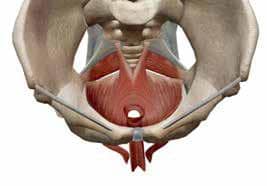
Urinary incontinence, the involuntary leakage of urine, can affect people of all ages, including the younger population. However, it is more commonly reported in women and those over 50. Various factors can contribute to incontinence. Age, constipation, increased body mass index (BMI), urinary tract infection and impaired physical function are common factors for both women and men. In women, factors like pregnancy and postpartum can strain, stretch and weaken the pelvic floor muscles (PFMs), while menopause or a history of hysterectomy can also contribute to urinary incontinence. For men, surgery for prostate cancer or benign prostate disease can increase the risk.
MANAGEMENT
There are several ways to manage urinary incontinence. The current evidence-based practice and management approach includes:
- Behavioural and lifestyle modifications;
- PFM training;
- Pharmacological intervention; and eventually
- Surgical intervention (for individuals experiencing incontinence symptoms who do not respond to previous management options)
LIFESTYLE MODIFICATION
Lifestyle modifications include reducing the consumption of drinks that can irritate the bladder lining, such as carbonated beverages, alcohol or caffeinated drinks (e.g. coffee and tea).
This irritation can lead to increased urinary frequency and urgency. It is also important to reduce overall fluid intake, especially in the evening, between dinner and bedtime, and to avoid drinking fluid two hours before sleep to reduce the frequency of urinating in the middle of the night. Research has shown that repeatedly waking up during the night over the long term may cause disturbed sleep, eventually affecting one’s quality of life and general health.


This story is from the PRIME Magazine | Jun-July 2024 edition of PRIME Singapore.
Subscribe to Magzter GOLD to access thousands of curated premium stories, and 10,000+ magazines and newspapers.
Already a subscriber? Sign In
MORE STORIES FROM PRIME Singapore
PRIME Singapore
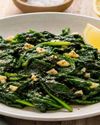
Garlic & Spinach Sauté with Lemon
Wellness focus: This light and flavourful dish combines spinach, rich in antioxidants and fibre, with garlic, known to activate liver enzymes that help eliminate toxins.

1 min
June - July 2026

PRIME Singapore
LATENT LOGIC
The Hidden Logic in Everyday Facts, Items and Design
22 mins
June - July 2026

PRIME Singapore
The Power of Potassium
The Overlooked Mineral That Keeps Your Muscles and Heart in Sync
4 mins
June - July 2026
PRIME Singapore
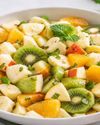
Pear Party Salad
Wellness focus: Fibre-rich freshness and antioxidant support for liver wellness. Pears are naturally high in fibre and water content, helping support digestion and reduce strain on the liver, while colourful fruits provide antioxidants that help combat oxidative stress.
1 min
June - July 2026

PRIME Singapore
Body Talk
Body Language: The Language Beneath Words
26 mins
June - July 2026

PRIME Singapore
The Rebel in the Cowl
How Robert Pattinson Blew Up the Teen-Idol Blueprint and Returned to Reclaim Hollywood
34 mins
June - July 2026
PRIME Singapore
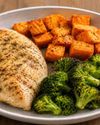
Baked Lemon Herb Chicken
Wellness focus: Lean protein and antioxidant-rich nourishment for liver support. Skinless chicken breast provides high-quality protein that supports liver repair and maintenance without excessive saturated fat, while lemon and herbs add antioxidants that help to combat oxidative stress. Broccoli and sweet potatoes contribute fibre and essential nutrients that support healthy digestion and reduce liver strain.
1 min
June - July 2026

PRIME Singapore
Think. Different.
Cognitive Differences Between Men and Women
13 mins
June - July 2026

PRIME Singapore
Your Gums Matter
All You Need to Know About Gum Disease (Part 3)
2 mins
June - July 2026
PRIME Singapore
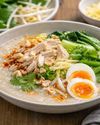
Brown Rice Congee
Wellness focus: Gentle nourishment and fibre-rich support for liver health. Brown rice provides whole-grain fibre that supports digestion, blood sugar balance and metabolic health, all of which are important in managing fatty liver disease. The slow-cooked congee is easy to digest and hydrating, while ginger and vegetables add antioxidants and anti-inflammatory compounds that help reduce stress on the liver.
1 min
June - July 2026
Listen
Translate
Change font size