Versuchen GOLD - Frei
Leaky Problems
PRIME Singapore
|PRIME Magazine | Jun-July 2024
Urinary Incontinence Management
-

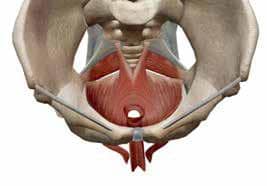
Urinary incontinence, the involuntary leakage of urine, can affect people of all ages, including the younger population. However, it is more commonly reported in women and those over 50. Various factors can contribute to incontinence. Age, constipation, increased body mass index (BMI), urinary tract infection and impaired physical function are common factors for both women and men. In women, factors like pregnancy and postpartum can strain, stretch and weaken the pelvic floor muscles (PFMs), while menopause or a history of hysterectomy can also contribute to urinary incontinence. For men, surgery for prostate cancer or benign prostate disease can increase the risk.
MANAGEMENT
There are several ways to manage urinary incontinence. The current evidence-based practice and management approach includes:
- Behavioural and lifestyle modifications;
- PFM training;
- Pharmacological intervention; and eventually
- Surgical intervention (for individuals experiencing incontinence symptoms who do not respond to previous management options)
LIFESTYLE MODIFICATION
Lifestyle modifications include reducing the consumption of drinks that can irritate the bladder lining, such as carbonated beverages, alcohol or caffeinated drinks (e.g. coffee and tea).
This irritation can lead to increased urinary frequency and urgency. It is also important to reduce overall fluid intake, especially in the evening, between dinner and bedtime, and to avoid drinking fluid two hours before sleep to reduce the frequency of urinating in the middle of the night. Research has shown that repeatedly waking up during the night over the long term may cause disturbed sleep, eventually affecting one’s quality of life and general health.


Diese Geschichte stammt aus der PRIME Magazine | Jun-July 2024-Ausgabe von PRIME Singapore.
Abonnieren Sie Magzter GOLD, um auf Tausende kuratierter Premium-Geschichten und über 9.000 Zeitschriften und Zeitungen zuzugreifen.
Sie sind bereits Abonnent? Anmelden
WEITERE GESCHICHTEN VON PRIME Singapore

PRIME Singapore
Living Large
The Illusion of Space in Small Homes

9 mins
February - March 2026

PRIME Singapore
Fend Off the Flames
Fire Safety Knowledge That Can Save Lives
7 mins
February - March 2026

PRIME Singapore
The World in Numbers
How Data Analytics Shapes Modern Decision-Making
14 mins
February - March 2026

PRIME Singapore
Thunder Struck
Chris Hemsworth: From God of Thunder to Hollywood Deity
29 mins
February - March 2026

PRIME Singapore
Ingesting Inflammation
Why Everyone is Talking About Anti-Inflammatory Diets
12 mins
February - March 2026
PRIME Singapore
Inked Later
Why More People Are Getting Tattoos After 40
7 mins
February - March 2026

PRIME Singapore
STUDY CONFIRMS ONE MONTH OF NO ALCOHOL MAKES REAL DIFFERENCE TO HEALTH
In 2013, Alcohol Change UK started the “Dry January” campaign, where people could commit to abstaining from drinking alcohol for the entire month.
2 mins
February - March 2026
PRIME Singapore
CERTAIN CHANGES IN DRIVING PATTERNS MAY POINT TO COGNITIVE DECLINE, DEMENTIA
Individuals with cognitive impairment are at a two-to five-fold increased risk of being involved in motor accidents, highlighting the deterioration of driving skills with a decline in cognitive function. A recent study published in Neurology suggests that changes in daily driving patterns recorded using a vehicle datalogger could reliably distinguish individuals with mild cognitive impairment (MCI) from those with normal cognition. The study’s findings suggest that data collected by vehicle data loggers could potentially be used in the early identification of individuals at risk of a motor crash or those with cognitive impairment, prior to in-person cognitive assessments or brain imaging scans. Driving data patterns could also serve as a tool to assess the effectiveness of interventions for treating cognitive impairment.
2 mins
February - March 2026

PRIME Singapore
LIFT ME UP
Volformer: The Rejuvenation Protocol Combining Precision Ultrasound and Volumetric RF
4 mins
February - March 2026

PRIME Singapore
TARGETING IDO1 FOR CANCER: NOVEL DEGRADERS SHOW PROMISE IN PRECLINICAL STUDIES
Cancer cells employ a variety of strategies to evade the immune system, and modern immunotherapies aim precisely at these escape mechanisms. However, such therapies are not always successful. A research team from the Max Planck Institute for Molecular Physiology in Dortmund and the AITHYRA Institute in Vienna has now developed a new class of compounds that specifically target and destroy the enzyme IDO1 – a key molecular switch that tumours use to suppress immune responses. They were also able to show that iDegs (IDO1 degraders) inhibit tumour growth in mice with SKOV-3 tumours, thereby prolonging survival time. This approach could markedly enhance the efficacy of existing immunotherapies and open new avenues in the fight against cancer. The new research was published in the journal Nature.
3 mins
February - March 2026
Listen
Translate
Change font size