Try GOLD - Free
MiG ALLEY MISSION
Flight Journal
|July - August 2026
Navy, Marines and Air Force coordinate to strike the Sui-ho powerplant
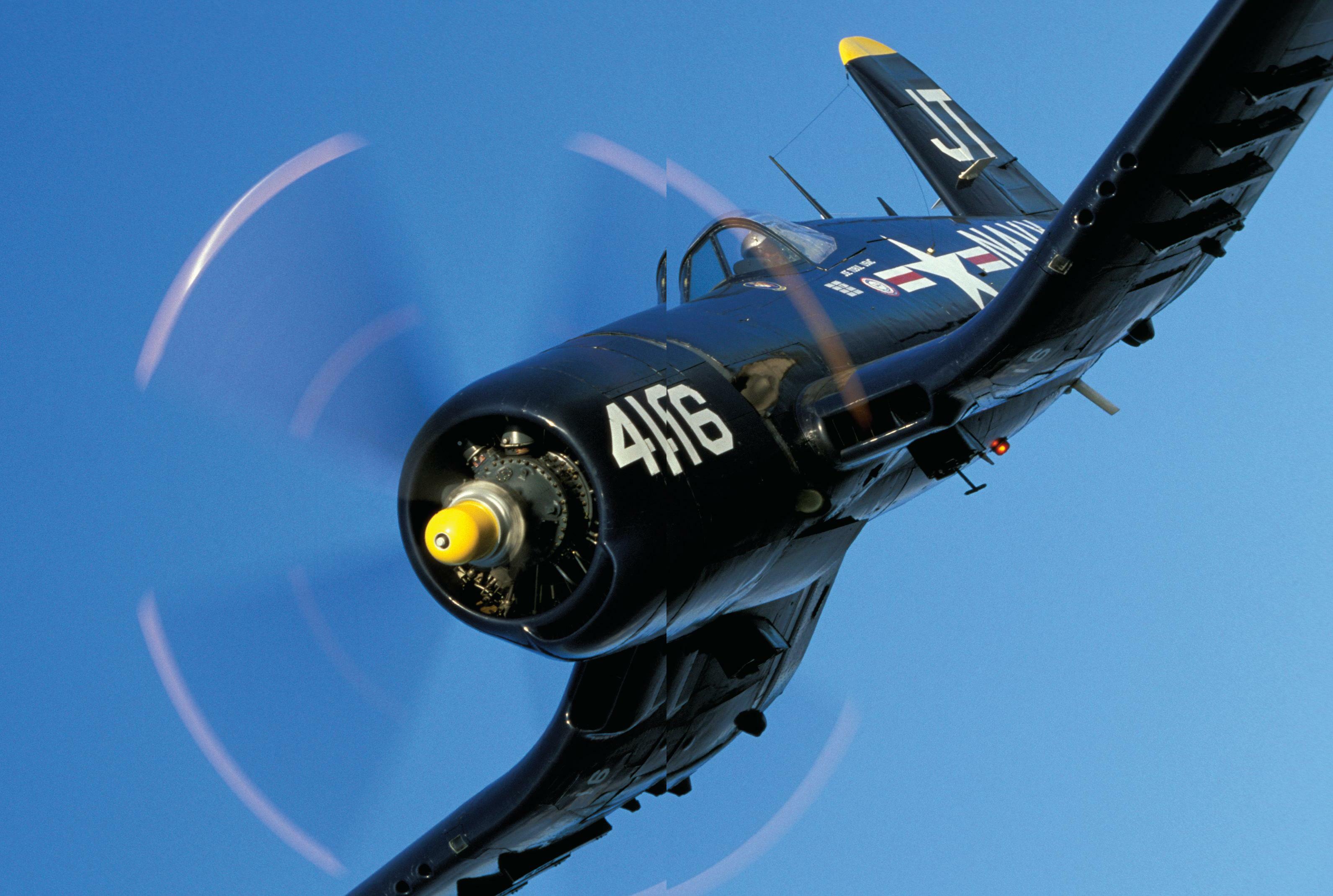
ONE OF THE TREASURES reaped by the Communists at the end of WW II was the Sui-ho complex that had been built by the Japanese in 1940 after they had occupied the Korean Peninsula. At that time, it had six of the world's largest turbine generators, which easily surpassed the capacity of Boulder Dam in Nevada. It eventually became a major source of electrical power to many bases in Manchuria and the Soviet bases at Vladivostok and Port Arthur. To say this had the potential of being one of the most important targets in the Korean War would be an understatement.
For almost the first two years of the war, however, it was a political “hot potato” that was never put on the air strike planning board by Far East Air Force (FEAF) airpower. But with the peace talks at Panmunjeon constantly breaking down and no progress being made, it was time to take a different approach. It was decided to mount a major strike against the plant, and planning began in May 1952. The attack would take place on June 23 and 24, and it was primarily intended to put pressure on the stalled peace negotiations. Up until this time, the B-29 Superfortresses had leveled just about all of the major industrial targets in North Korea, but the Sui-ho complex had been untouched.
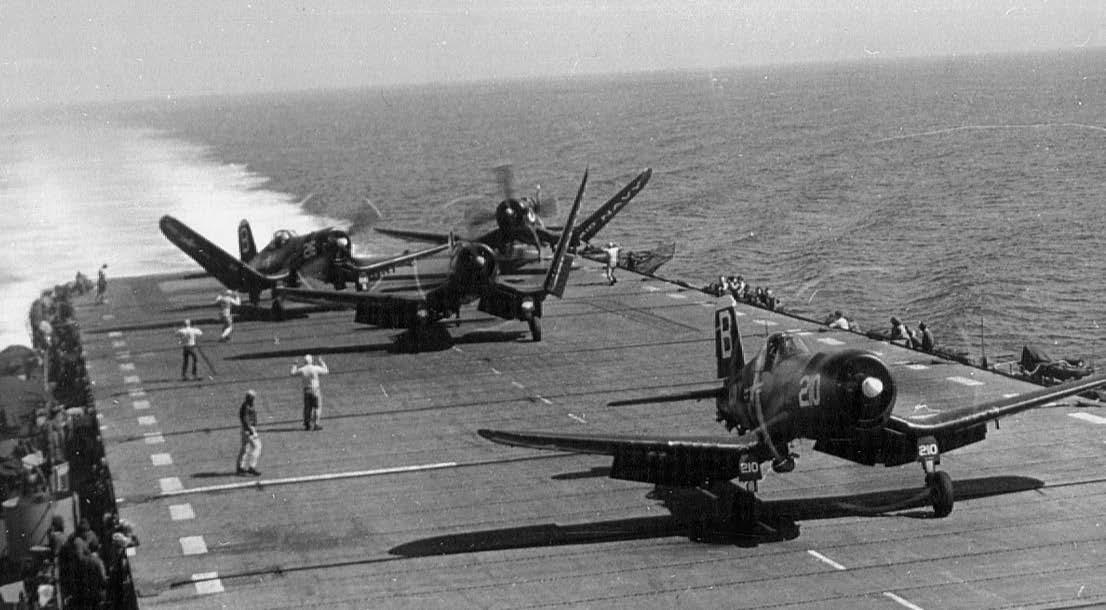 When the order came down to hit all the power plants in northwest Korea, the facility at Sui-ho was left off, but owing to a reevaluation of the target list by the Joint Chiefs, it was added. At first, it was to be an all-USAF strike, but the Navy was brought into the planning because they could have at least four aircraft carriers close by to help.

This story is from the July - August 2026 edition of Flight Journal.
Subscribe to Magzter GOLD to access thousands of curated premium stories, and 10,000+ magazines and newspapers.
Already a subscriber? Sign In
MORE STORIES FROM Flight Journal
Flight Journal
MiG ALLEY MISSION
Navy, Marines and Air Force coordinate to strike the Sui-ho powerplant

8 mins
July - August 2026
Flight Journal
DEATH AT DAYBREAK
A Kiwi goes to war in a Hawker Tempest
9 mins
July - August 2026
Flight Journal
NIGHT of the WEASELS
First in, Last Out—Phantoms Over Baghdad
12 mins
July - August 2026
Flight Journal
NORWEGIAN SPITFIRE
Battles above the Channel and beyond
14 mins
July - August 2026
Flight Journal
SCREWY LOOIE
Confessions of a Lightning driver
11 mins
July - August 2026
Flight Journal
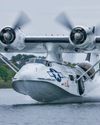
RESCUE CATS -PBY Catalina crews save airmen from hostile seas
\"TO A COLD, WET AND HUNGRY AIRMAN, sitting in a rubber dinghy in enemy waters, 600 miles from the nearest friendly base and 600 yards from the nearest enemy installation, the PBY is a breathtakingly beautiful sight.
16 mins
May - June 2026
Flight Journal
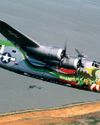
A ROLL OF THE DICE
A lucky Liberator crew survives
13 mins
May - June 2026
Flight Journal
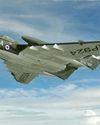
DH Sea Vixen
ARGUABLY ONE OF THE MOST IMPRESSIVE CLASSIC JETS, even nearly seven decades after the type entered service, surely is the DH Sea Vixen “Foxy Lady” XP924 (civil registration G-CVIX).
2 mins
May - June 2026
Flight Journal
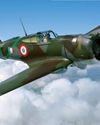
DESPERATE FIGHT! French fighters of WW II
HISTORY HAS A WAY OF REWRITING ITSELF.
9 mins
May - June 2026

Flight Journal
Powering the Age of Flight
GLENN HAMMOND CURTISS (1878-1930) was often called “The Colossus of Aviation” with good reason.
2 mins
May - June 2026
Listen
Translate
Change font size