
Go Unlimited with Magzter GOLD
Get unlimited access to 10,000+ magazines, newspapers and Premium stories for just
Try GOLD - Free
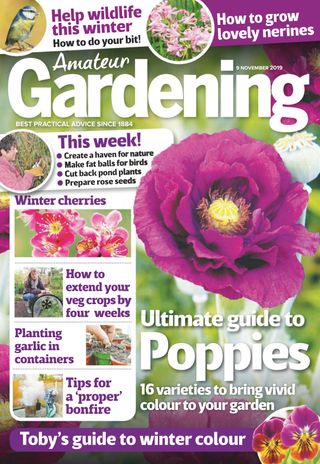
Your ultimate guide to Growing poppies
Amateur Gardening
|November 09, 2019
From annuals to perennials, with options for shade or sun, blowsy blooms and sculptural seed heads – there really are poppies for all purposes, says Louise Curley

AT this time of year the classic red poppy is a potent symbol of remembrance for lives lost and affected by war. Field poppies aren’t the only type of poppy, however – in fact, there are about 70 different species in the genus Papaver, and more still within the family Papaveraceae. These include the highly prized blue Himalayan poppies (Meconopsis) and some more unusual plants that look nothing like your typical poppy but are still related. Some are annuals, some biennials and others perennials, and most are incredibly easy to grow.
The appeal lies in their delicacy, the petals like tissue paper or crushed silk, in a range of colours. Some have fabulously sculptural seed pods, too, that add another element to a planting scheme and continue to look good as the garden moves into autumn and winter.
There are poppies with blowsy blooms made up of multiple layers of petals; others have simple open-centred flowers that are ideal for pollinators –bees love opium and oriental poppies. Then there’s Meconopsis – these have a reputation for being tricky to grow, but in a moist, acid-neutral soil with some shade, they’re certainly worth a try.
Options for all
Whatever your style of garden, there’s a poppy for you. Whether it’s a shady woodland spot where Himalayan poppies and the Welsh poppy will be at home, a cottage-garden border – the perfect setting for the big and bold orientals – a sun-baked gravel garden in which the attractive blue-green foliage and colourful blooms of Californian poppies will thrive, or a wilder spot Where to buywhere field poppies can be sown alongside grasses and other annuals to create a cornfield-style meadow. There are even options suited to rock gardens or containers – try the alpine and Iceland poppies, but ensure they have good drainage.

This story is from the November 09, 2019 edition of Amateur Gardening.
Subscribe to Magzter GOLD to access thousands of curated premium stories, and 10,000+ magazines and newspapers.
Already a subscriber? Sign In
MORE STORIES FROM Amateur Gardening
Amateur Gardening
To dig or not to dig?
Should we be carrying out a full dig on plots now? Bob considers the pros and cons of the 'autumn dig' debate

1 mins
October 07, 2023

Amateur Gardening
The box ball blues
As if his beleaguered box hadn't already taken a beating, Toby now has to deal with some hungry box caterpillars
2 mins
October 07, 2023

Amateur Gardening
Save your own seeds
Masterclass on: seed saving
2 mins
October 07, 2023
Amateur Gardening
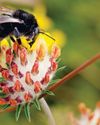
Strange sightings
Three unusual insects turn up in Val's garden in one day
3 mins
October 07, 2023
Amateur Gardening
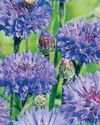
A bolt from the blue!
Cornflowers are perfect for garden and vase
1 min
October 07, 2023
Amateur Gardening
Winter moth prevention
Ruth shows you how to avoid maggoty tree fruits
1 mins
October 07, 2023
Amateur Gardening
Create a winter container
There are as many options as in summer
1 mins
October 07, 2023
Amateur Gardening
Lightweight gardening tools
AS well as being good for our mental health, gardening is also great exercise.
2 mins
October 07, 2023

Amateur Gardening
Autumn price round-up
AG finds better bargains in lesser-known brands
3 mins
October 07, 2023
Amateur Gardening
Rudbeckias
Rudbeckias are ideal for sunny summer patios and borders, with some able to survive our coldest winters
4 mins
October 07, 2023
Translate
Change font size