
Ga onbeperkt met Magzter GOLD
Krijg onbeperkte toegang tot meer dan 9000 tijdschriften, kranten en Premium-verhalen voor slechts
Poging GOUD - Vrij
Memories of Hale-Bopp
BBC Sky at Night Magazine
|July 2025
Three decades on, Stuart Atkinson vividly recalls the wonder of witnessing the last Great Comet
-
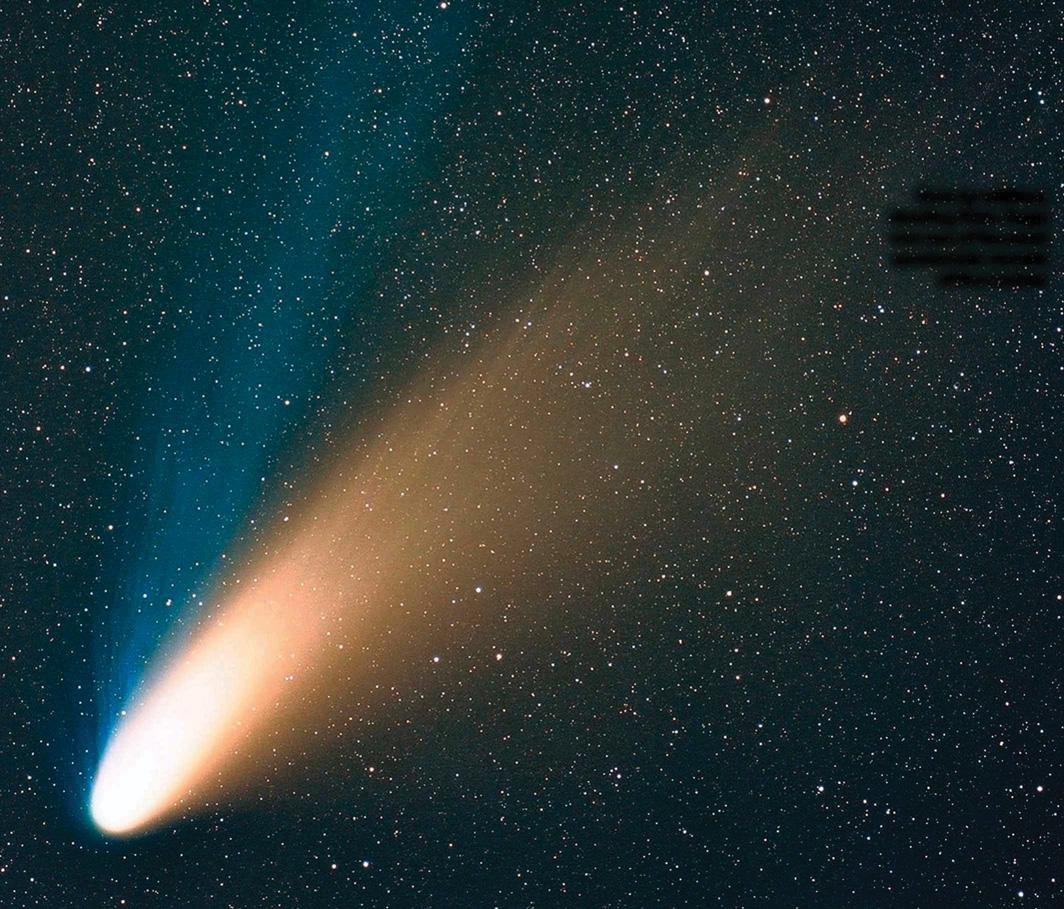
Thirty years ago, on the evening of 23 July 1995, amateur astronomers Alan Hale and Thomas Bopp were both independently looking at the same globular star cluster. Experienced observers who knew the sky well, Hale and Bopp each noticed a faint smudge close to the globular star cluster M70 that they couldn't find on any of their charts - and it was moving. Soon after, the object was confirmed as a new comet, named C/1995 O1 (Hale-Bopp) in honour of its discoverers.
When it was first spotted, comet Hale-Bopp was just a magnitude +10.5 smudge, but once its orbit was calculated, it became apparent the new comet could be something special. The fact that it was already so bright, while still more than seven times further from the Sun than Earth, suggested the comet's nucleus was much larger than the average comet. It had the potential to be a bright, naked-eye comet when it came closer. And so the long wait began...
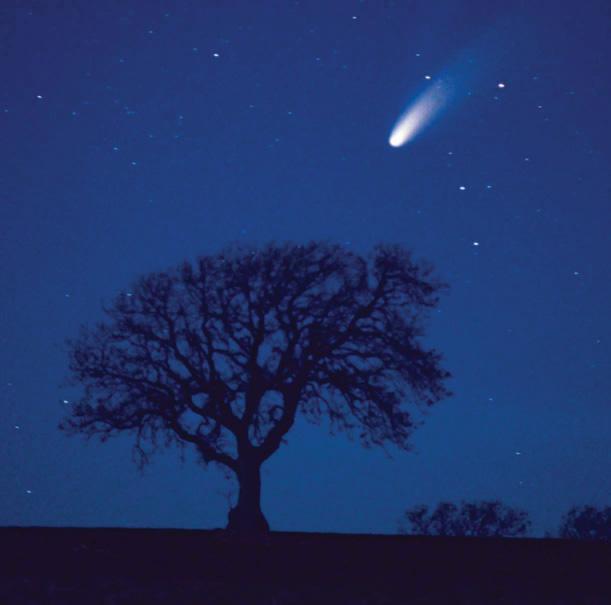
By April 1996, with a year to go until the comet made its closest approach to the Sun, Hale-Bopp had brightened and was now visible in binoculars and small telescopes. As the world celebrated the arrival of 1997, the comet continued to brighten. With no sign of it fizzling out like other promising comets had in the past, observers dared to believe their long wait for a bright naked-eye comet might soon be over.

Dit verhaal komt uit de July 2025-editie van BBC Sky at Night Magazine.
Abonneer u op Magzter GOLD voor toegang tot duizenden zorgvuldig samengestelde premiumverhalen en meer dan 9000 tijdschriften en kranten.
Bent u al abonnee? Aanmelden
MEER VERHALEN VAN BBC Sky at Night Magazine
BBC Sky at Night Magazine
The Giant Leap: Why Space is the Next Frontier in the Evolution of Life
“Earth is the cradle of humanity, but one cannot live in the cradle forever,” wrote Konstantin Tsiolkovsky in 1911.

1 mins
February 2026
BBC Sky at Night Magazine
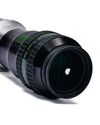
Tele Vue Nagler Type-7 series eyepieces
These premium optics were inspired by Apollo - and deliver a giant leap to your views
4 mins
February 2026
BBC Sky at Night Magazine
Once Upon a Time in Space
While the Space Race of the Cold War years was ultimately a geopolitical contest between the USA and the Soviet Union, the rivalry sparked rapid innovation and inspired multiple generations to look skyward.
1 mins
February 2026
BBC Sky at Night Magazine
The Multiverse: When One Universe Isn't Enough
The concept of a 'multiverse' – the idea that our Universe may be just one of many – is widespread in science fiction and a common thread of online discussions.
1 mins
February 2026
BBC Sky at Night Magazine
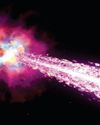
Q&A WITH A GAMMA RAY SPECIALIST
In 2025, astronomers detected a blast from space that lasted seven hours. Now they're uncovering the strange processes behind the exceptional outburst
3 mins
February 2026
BBC Sky at Night Magazine
Astronomy Photographer of the Year
The world-leading astrophotography competition returns. Could your image take the top prize of £10,000?
2 mins
February 2026
BBC Sky at Night Magazine
MOONWATCH
February's top lunar feature to observe
2 mins
February 2026
BBC Sky at Night Magazine
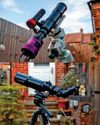
NOVAStar Scarlet A62Q 62mm f/8.4 quadruplet achromatic refractor
Well-built and capable, this beginner scope punches well above its bargain price
4 mins
February 2026
BBC Sky at Night Magazine
STAR OF THE MONTH
Rasalas, Leo the Lion's metal-rich crown
1 min
February 2026
BBC Sky at Night Magazine
Comet 24P/Schaumasse
Having reached perihelion on 8 January, comet 24P/ Schaumasse is now fading. Starting the month at a small-telescope-friendly mag. +10.5, it dims throughout February to below 12th magnitude.
1 min
February 2026
Listen
Translate
Change font size