Poging GOUD - Vrij
50 years of the European Space Agency
BBC Sky at Night Magazine
|May 2025
As Europe's organisation for space exploration marks five decades since its foundation in May 1975, Anita Chandran looks at key moments in its history
-
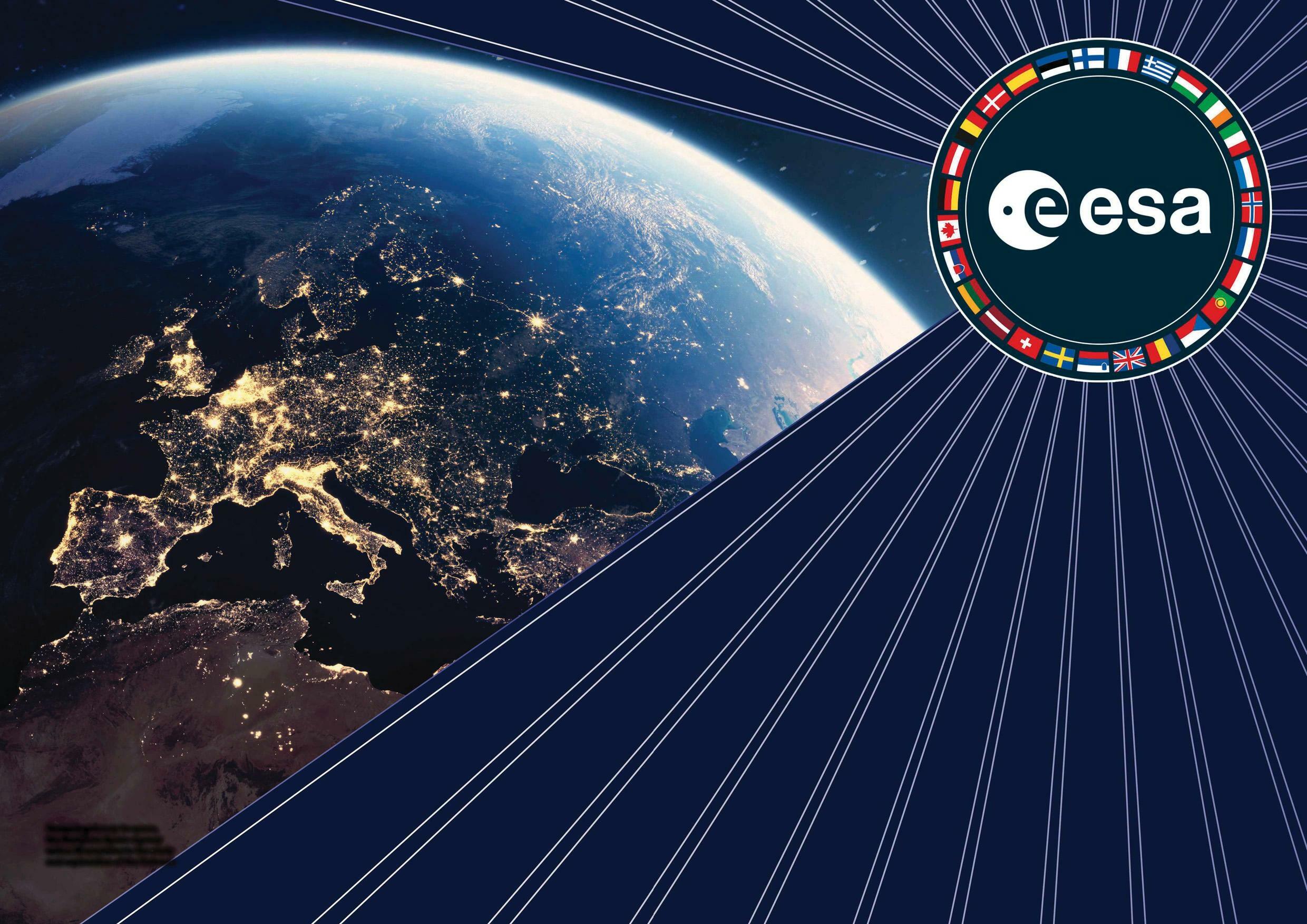
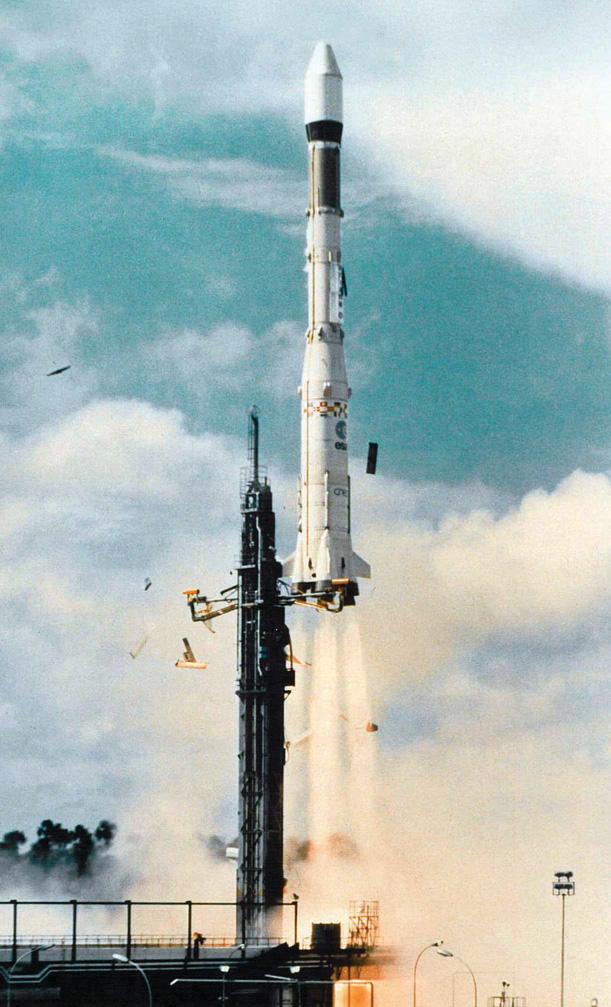
In 2025, the European Space Agency (ESA) will reach a significant milestone: its 50th birthday. For the last five decades, ESA has brought together European countries for sustainable and collaborative space exploration, launching missions like the Cassini-Huygens probe in 1997, which ranged as far as the rings of Saturn.
ESA emerged from the need for a multinational European space programme, particularly to compete with the strength of research being produced by the USA and Soviet Union after World War Two. The organisation can trace its roots back to two separate European space agencies set up in the 1960s: the European Launch Development Organisation (ELDO), which sought to develop a launch system; and the European Space Research Organisation (ESRO), which focused on developing spacecraft. In 1975, ELDO and ESRO were merged into what is now ESA, composed then of just 10 member states.
Since its formation, ESA missions have shaped our understanding of space and advanced the technology we use for astronomy. Its first mission, Cos-B, which launched in 1975 and aimed to study gamma radiation emitted from astronomical objects, operated for four years longer than planned. Only a handful of gamma-ray sources were known before Cos-B. ESA's Integral, launched in 2002, has now taken up its mantle, investigating gamma-ray bursts by detecting not only gamma rays, but X-rays and visible light.

Dit verhaal komt uit de May 2025-editie van BBC Sky at Night Magazine.
Abonneer u op Magzter GOLD voor toegang tot duizenden zorgvuldig samengestelde premiumverhalen en meer dan 9000 tijdschriften en kranten.
Bent u al abonnee? Aanmelden
MEER VERHALEN VAN BBC Sky at Night Magazine

BBC Sky at Night Magazine
Capture NLCs with a smartphone
Make this the summer that you nail a shot of beautiful night-shining clouds

3 mins
July 2026
BBC Sky at Night Magazine
ZWO Seestar S30 Pro smart telescope
ZWO Seestar S30 Pro smart telescope
4 mins
July 2026
BBC Sky at Night Magazine
The speed of light
The Universe has a speed limit - and it underpins everything we know about it. We explain the speed of light and its far-reaching implications for astronomy
2 mins
July 2026
BBC Sky at Night Magazine
COMETS AND ASTEROIDS
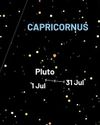
Can you spot dim, barely moving Pluto?
1 min
July 2026
BBC Sky at Night Magazine
THE SKY GUIDE CHALLENGE
What's the youngest Moon you can photograph? Try our ‘impossible’ challenge
2 mins
July 2026

BBC Sky at Night Magazine
Q&A WITH A SCIENCE COMMUNICATOR
As we find more planets in the habitable zones around other suns, we ask Neil deGrasse Tyson what would happen if we did meet intelligent alien life
3 mins
July 2026
BBC Sky at Night Magazine
Make an all-sky camera
How to set up an always-watching system to catch fleeting sky events
3 mins
July 2026
BBC Sky at Night Magazine
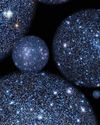
The Universe doesn't need a multiverse
The Universe doesn't need a multiverse The idea that there are many universes seems to solve our most stubborn cosmic mysteries. But, argues Brian Clegg, it's no substitute for hard evidence
2 mins
July 2026
BBC Sky at Night Magazine
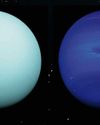
Planets of mystery
Uranus and Neptune – visited just once, 40 years ago – are the least-known planets in our Solar System. Now 21st-century science has revealed they may not even be the ‘ice giants’ we thought. Joseph Phelan investigates
6 mins
July 2026
BBC Sky at Night Magazine
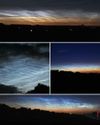
THE BIG THREE
The top sights to observe or image this month
4 mins
July 2026
Listen
Translate
Change font size