
Gå ubegrenset med Magzter GOLD
Få ubegrenset tilgang til over 9000 magasiner, aviser og premiumhistorier for bare
Prøve GULL - Gratis
JOURNEY THROUGH THE SOLAR SYSTEM
The Week Junior Science+Nature UK
|Issue 62
This year's trail takes you on a voyage through the solar system.
-

Taking place between 6 and 11 June, the Cheltenham Science Festival is one of the biggest celebrations of STEM (science, technology, engineering and maths) subjects in the UK. This year, The Week Junior Science+Nature has created 10 boards that will be scattered around the festival site for you to find, taking you on a journey through the solar system. All you have to do is find the boards and turn to page 43 in this magazine to answer the questions. Don't worry if you're not going to the festival - you can still play along. Here's a round-up of all the planets (and one star) on the boards. To find out more about Cheltenham Science Festival go to cheltenhamfestivals.com/science
CHELTENHAM
Science Festival
The Sun
A near-perfect sphere of gas, the Sun is the beating heart of our solar system. The Sun is so big that it contains 99.86% of the solar system's entire mass.
As the closest star to Earth, it is the solar system's largest and hottest object. The Sun's core reaches temperatures of 15 million C, which makes its surface temperature of 5,973°C seem almost chilly in comparison.
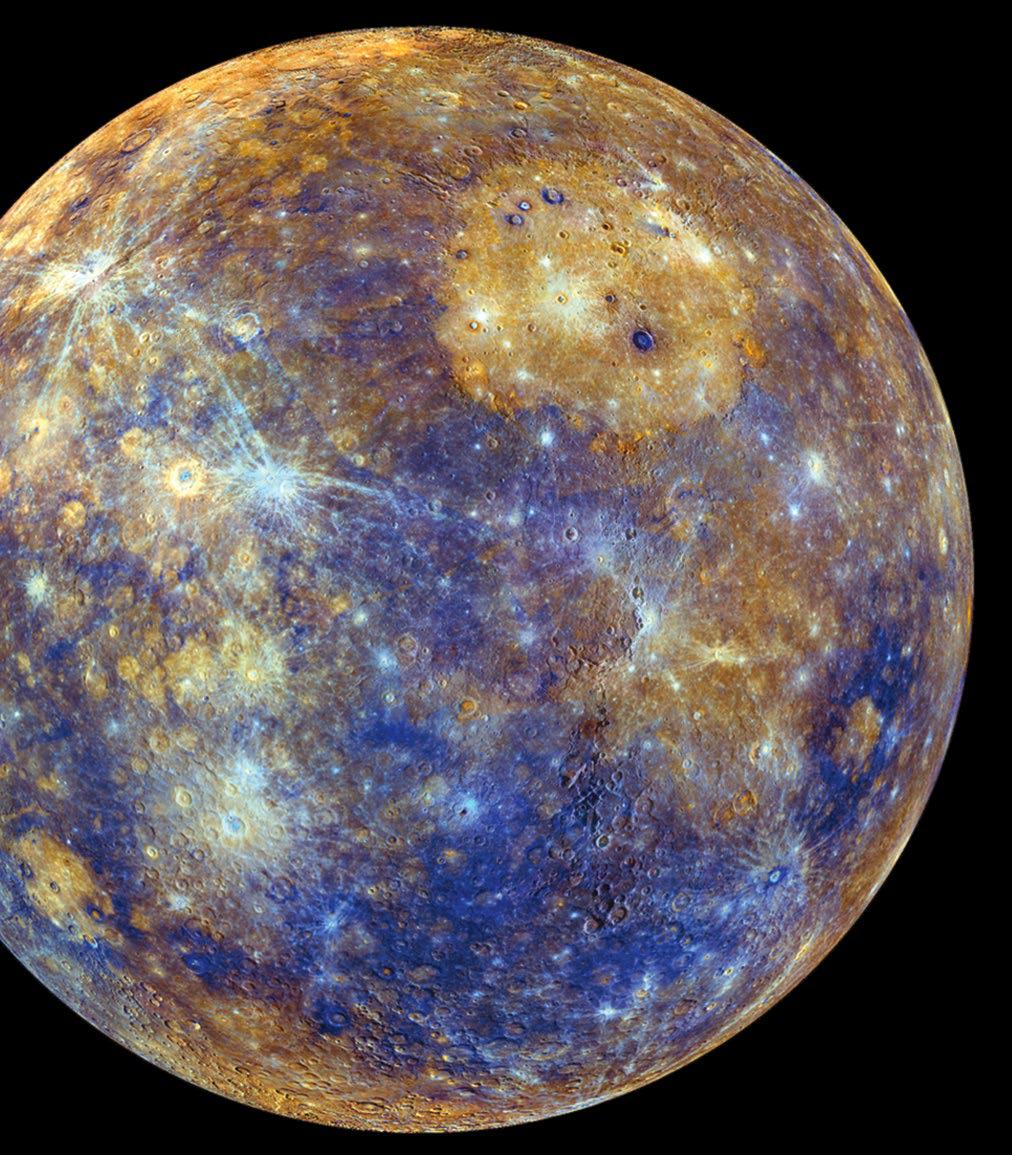
Mercury
Mercury is the closest planet to the Sun. That means if you were to stand on its surface, the Sun would appear three times larger and seven times brighter than it does on Earth. However, despite surface temperatures of more than 400°C, Mercury is not the solar system's hottest planet. This is because it has no atmosphere to hold onto the heat, and temperatures plunge as low as - 180°C at night. The smallest planet in the solar system, Mercury has no rings and no Moons.

Denne historien er fra Issue 62-utgaven av The Week Junior Science+Nature UK.
Abonner på Magzter GOLD for å få tilgang til tusenvis av kuraterte premiumhistorier og over 9000 magasiner og aviser.
Allerede abonnent? Logg på
FLERE HISTORIER FRA The Week Junior Science+Nature UK
The Week Junior Science+Nature UK
ANIMAL ISLANDS
Hop aboard as Daisy Dobrijevic sets sail to discover the world's most unusual beasts.

5 mins
March 2026
The Week Junior Science+Nature UK
Wildlife watch
Take a walk on the wild side with Jenny Ackland.
1 mins
March 2026

The Week Junior Science+Nature UK
Pushmeet Kohli
Meet the tech genius who trains the smart computers that are changing your world.
3 mins
March 2026
The Week Junior Science+Nature UK
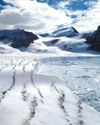
New map reveals secrets hidden under Antarctic ice
A new map of Antarctica has A revealed thousands of hills Are revealed thousands of hills and valleys buried under its thick layers of ice.
1 min
March 2026
The Week Junior Science+Nature UK
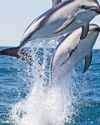
Why do dolphins jump out of the water?
Discover what makes these graceful ocean mammals leap for joy.
2 mins
March 2026
The Week Junior Science+Nature UK
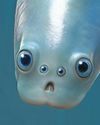
Ancient fish had four eves
Ancient vertebrates (animals that have backbones) had four eyes that worked a lot like ours, new research shows.
1 min
March 2026
The Week Junior Science+Nature UK
How? What? Why?
Set your curiosity free as Mike Rampton explains how asking questions changes the world.
5 mins
March 2026

The Week Junior Science+Nature UK
Bye-bye bitter grapefruits
Scientists have found a way to make grapefruits less bitter.
1 min
March 2026
The Week Junior Science+Nature UK
Spreading seeds of hope
Meet the scientists who are using drones to seed lost landscapes.
1 mins
March 2026
The Week Junior Science+Nature UK
Udderly brilliant cow seen using tools
A talented Austrian cow has shecked researchers by using both ends of a broom as a grooming tool.
1 min
March 2026
Translate
Change font size