Prøve GULL - Gratis
ANIMAL ISLANDS
The Week Junior Science+Nature UK
|March 2026
Hop aboard as Daisy Dobrijevic sets sail to discover the world's most unusual beasts.
-
Islands are some of the most interesting places on Earth. Cut off by vast oceans, towering cliffs or coral reefs, they are nature's laboratories. Imagine being separated from the rest of the world for millions of years! This gives evolution the chance to try a series of isolation experiments. Over time, animals' bodies change shape and their behaviours shift to suit where they live. In the end, a unique set of animals (and plants) evolve – that often exist nowhere else in the world. Scientists call this endemism (when a species is found in just one place on Earth). Think of Madagascar with its lemurs and fossas, or Australia with its kangaroos and duck-billed platypuses.
This one-of-a-kind status makes island animals vulnerable to change. Imagine playing a video game where you were stuck repeating the same level over and over again. Soon, you'd learn every shortcut, every hiding place and every trick. Eventually, you'd become a master – smarter and better than anyone else – at that one level. If you were dropped into a different level with unfamiliar rules, you'd be lost. Animals that survive in a single place on Earth face similar problems. They become so well adapted that if other animals arrive, or the place changes quickly, they struggle to adapt.
Evolution runs riot
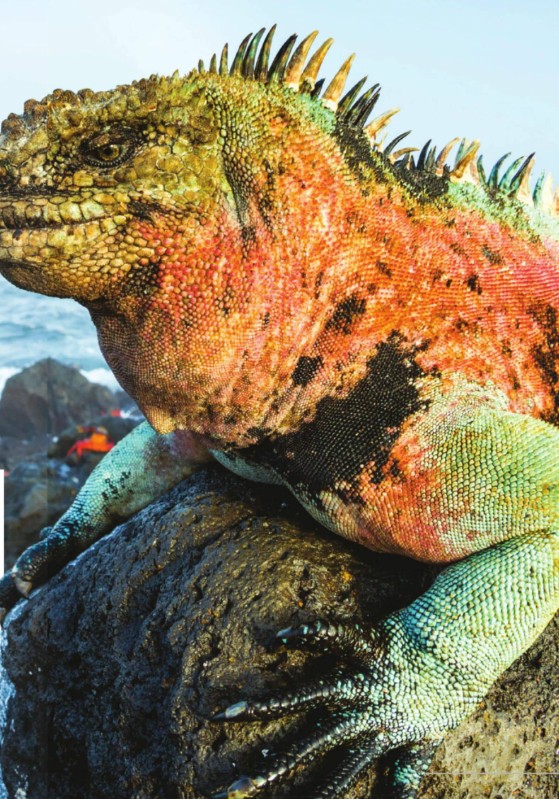
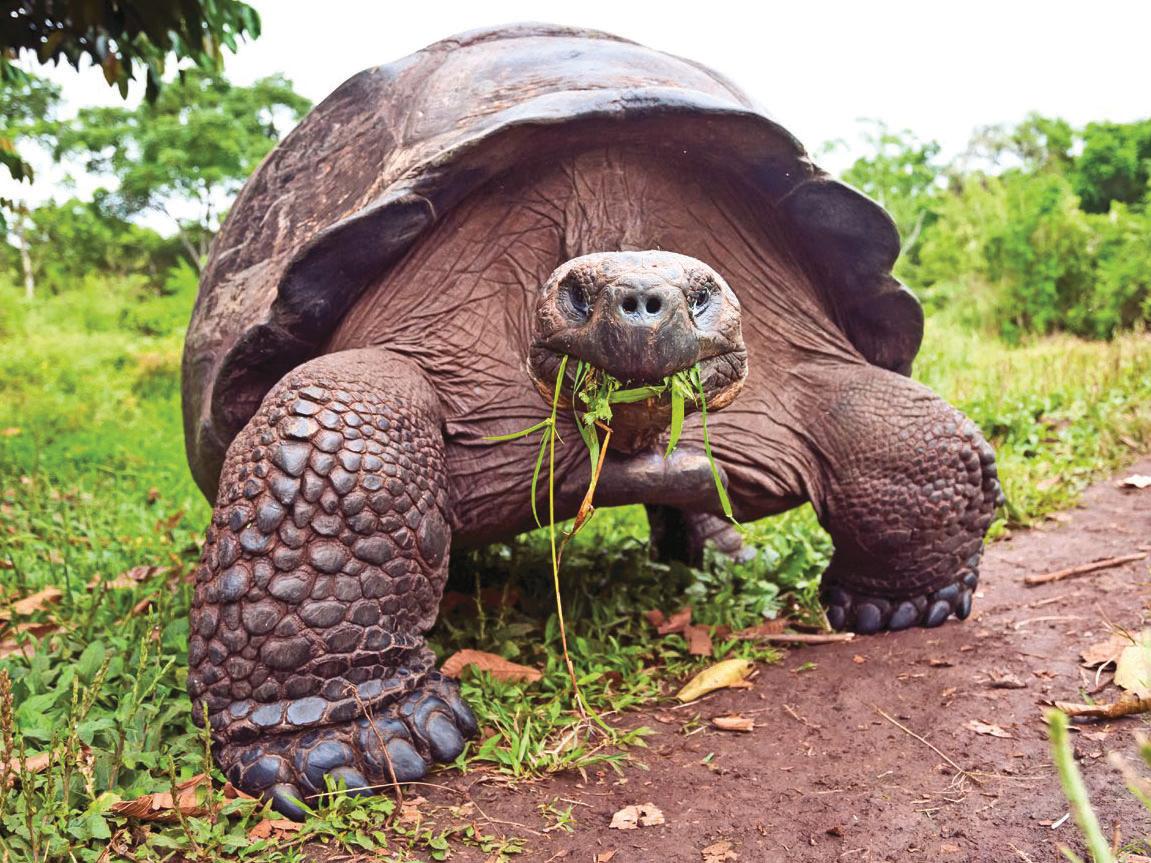
One of the best places to see this in action is in the Galápagos Islands. Nestled in the Pacific Ocean, more than 600 miles west off Ecuador, these volcanic islands are best known for inspiring Charles Darwin's ideas about evolution. The land animals here evolved with no natural predators and so are unusually calm around humans (this is a trait often seen in island environments).

Denne historien er fra March 2026-utgaven av The Week Junior Science+Nature UK.
Abonner på Magzter GOLD for å få tilgang til tusenvis av kuraterte premiumhistorier og over 9000 magasiner og aviser.
Allerede abonnent? Logg på
FLERE HISTORIER FRA The Week Junior Science+Nature UK
The Week Junior Science+Nature UK
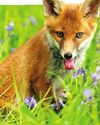
ANIMAL ISLANDS
Hop aboard as Daisy Dobrijevic sets sail to discover the world's most unusual beasts.

5 mins
March 2026
The Week Junior Science+Nature UK
Wildlife watch
Take a walk on the wild side with Jenny Ackland.
1 mins
March 2026

The Week Junior Science+Nature UK
Pushmeet Kohli
Meet the tech genius who trains the smart computers that are changing your world.
3 mins
March 2026
The Week Junior Science+Nature UK
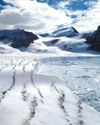
New map reveals secrets hidden under Antarctic ice
A new map of Antarctica has A revealed thousands of hills Are revealed thousands of hills and valleys buried under its thick layers of ice.
1 min
March 2026
The Week Junior Science+Nature UK
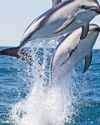
Why do dolphins jump out of the water?
Discover what makes these graceful ocean mammals leap for joy.
2 mins
March 2026
The Week Junior Science+Nature UK
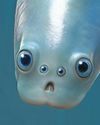
Ancient fish had four eves
Ancient vertebrates (animals that have backbones) had four eyes that worked a lot like ours, new research shows.
1 min
March 2026
The Week Junior Science+Nature UK
How? What? Why?
Set your curiosity free as Mike Rampton explains how asking questions changes the world.
5 mins
March 2026

The Week Junior Science+Nature UK
Bye-bye bitter grapefruits
Scientists have found a way to make grapefruits less bitter.
1 min
March 2026
The Week Junior Science+Nature UK
Spreading seeds of hope
Meet the scientists who are using drones to seed lost landscapes.
1 mins
March 2026
The Week Junior Science+Nature UK
Udderly brilliant cow seen using tools
A talented Austrian cow has shecked researchers by using both ends of a broom as a grooming tool.
1 min
March 2026
Listen
Translate
Change font size