
Gå ubegrenset med Magzter GOLD
Få ubegrenset tilgang til over 9000 magasiner, aviser og premiumhistorier for bare
Lights in the darkness Photographing the aurora
BBC Sky at Night Magazine
|September 2023
Wilderness photographer Valtteri Hirvonen - who spends nearly half the year in darkness in his native Finland - reveals how he found new inspiration in the Northern Lights

Photography is not just my profession, it's also my hobby. In Finland, we spend nearly half the year in darkness, so during the winter months I wanted to find a way to continue pursuing photography in my personal time. Like so many other photographers, I had to find ways of working creatively with what is within reach, and that's what ultimately inspired me to shoot the night sky. Luckily, Finland is a great place for it. There are so many forests and amazing places where you have great visibility of the stars and, of course, wonderful displays of the aurora borealis, or Northern Lights.
Shooting the night sky makes you forget about time. On my work shoots there are usually a lot of people and a sense of hustle, but with astrophotography, I am out in nature on my own, or with one other friend. I love being in nature, especially at night. It's so silent and creates serene, peaceful moments.
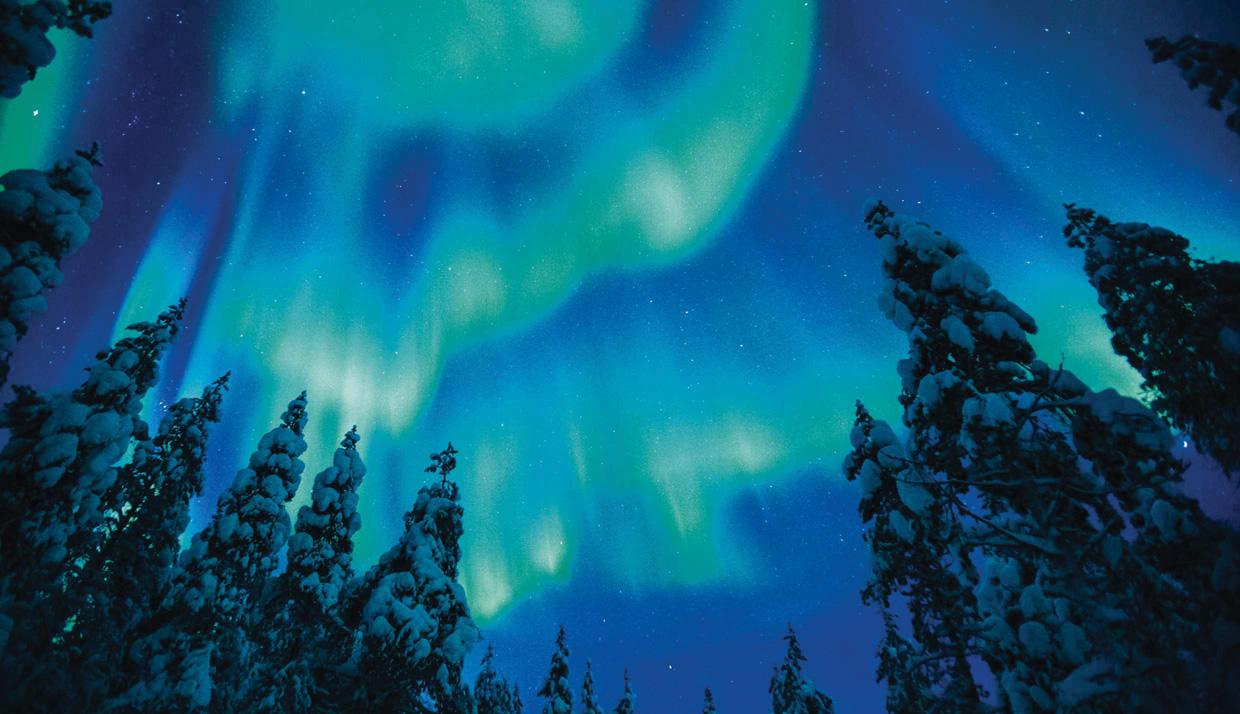
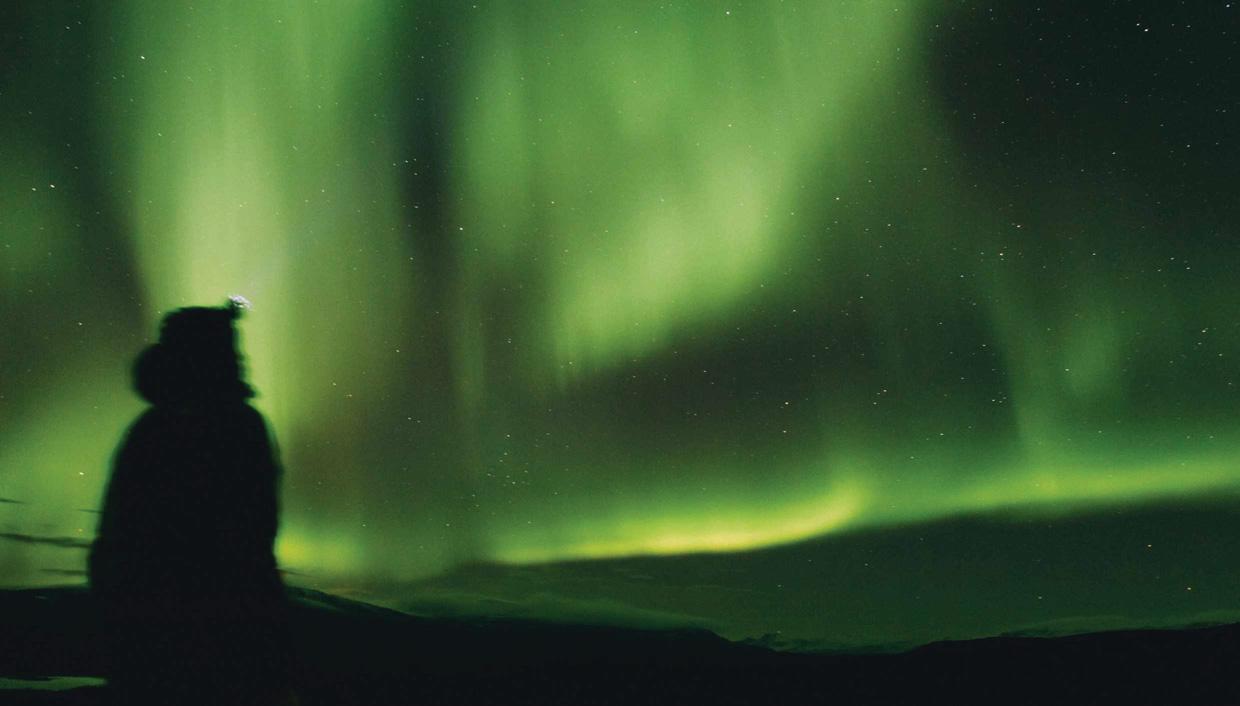
I also love that it forces you to be totally present in the moment. Living in Finland, I've seen the Northern Lights a number of times, but it never loses its charm. The appearance of the aurora all happens very fast, so you get a huge adrenaline rush, rushing to get the shot because it could well all be over within seconds. You also don't know how the images will turn out, because each display will reveal different colours, shapes and forms. That makes it all the better. When we shoot in darkness, we're shooting blind so the best thing about it is the fact that you're creating images you can't normally see with the naked eye. Only a camera can capture the long exposure, among other features, and that's what makes these moments magical - the end result is always a surprise.

Denne historien er fra September 2023-utgaven av BBC Sky at Night Magazine.
Abonner på Magzter GOLD for å få tilgang til tusenvis av kuraterte premiumhistorier og over 9000 magasiner og aviser.
Allerede abonnent? Logg på
FLERE HISTORIER FRA BBC Sky at Night Magazine
BBC Sky at Night Magazine
MOONWATCH
January's top lunar feature to observe

2 mins
January 2026
BBC Sky at Night Magazine
Speed up your processing workflow
How to use Photoshop's Actions tool to drastically cut your processing time
3 mins
January 2026
BBC Sky at Night Magazine
Chasing Canada's polar lights
With solar maximum peaking and a new Moon promising dark skies, Jamie Carter travels to Churchill, Manitoba to hunt the Northern Lights - and dodge polar bears – in Canada's far north
7 mins
January 2026
BBC Sky at Night Magazine
Beyond Pluto: The search for the hidden planets
Could one – or even two - undiscovered planets lurk at the edges of our Solar System? Nicky Jenner explores how close we are to finding the elusive 'Planet 9'
6 mins
January 2026
BBC Sky at Night Magazine
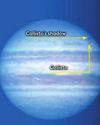
Jupiter moon events
Jupiter is a magnificent planet to observe.
2 mins
January 2026

BBC Sky at Night Magazine
What samples from space have taught us
Alastair Gunn explains what scientists have learnt in the 20 years since the first unmanned mission brought materials back from alien worlds
3 mins
January 2026
BBC Sky at Night Magazine
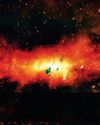
The Milky Way as you've never seen it before
This is the largest low-frequency radio colour image of our Galaxy ever assembled
1 min
January 2026
BBC Sky at Night Magazine
Merger of ‘impossibly' massive black holes explained
Scientists discover how enormous, fast-spinning black holes can exist after all
1 mins
January 2026
BBC Sky at Night Magazine
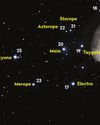
Lunar occultation of the Pleiades
BEST TIME TO SEE: 27 January from 20:30 UT
1 min
January 2026
BBC Sky at Night Magazine
The Universe's expansion may be slowing down
New study suggests current theories of dark energy could be wrong
1 mins
January 2026
Translate
Change font size